US Permanent Visa Bond for Citizens of 50 Countries to Influence Travel and Business Flows
The US State Department introduces a permanent visa bond requirement of up to $20,000 for citizens of 50 countries, excluding Russia, to curb visa overstays.
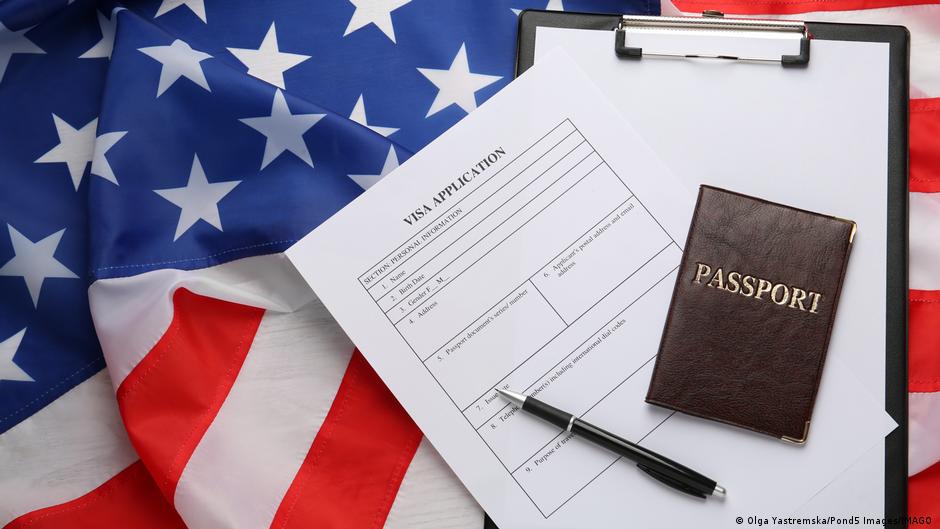
The US State Department announced that starting August 3, it will implement a permanent visa bond requirement for citizens of 50 countries, including Georgia, Kyrgyzstan, Tajikistan, and Turkmenistan. This measure applies to business and tourist visas (B-1/B-2) and requires applicants to post a bond of up to $20,000 as a guarantee of lawful visa use and timely departure from the United States.
The bond amount will be determined individually by consular officers, based on the applicant's circumstances. According to the State Department, the bond will be refunded if the visa holder departs the US within the authorized period, does not use the visa, or is denied entry. Conversely, the bond will be forfeited if the visa holder violates the terms of their stay.
Notably, Russia is not included in the list of countries subject to this new requirement. The list encompasses countries across Africa, Southeast Asia, Latin America, and Central Asia, including Algeria, Angola, Bangladesh, Cambodia, Central African Republic, Mongolia, Nepal, Nicaragua, Tunisia, Uganda, Venezuela, Zimbabwe, among others.
Market and Sector Impact on Wall Street
This policy change is poised to affect travel, hospitality, and international business sectors, especially companies that generate significant revenue from tourists and business travelers from these countries. Airlines, hotel chains, and multinational corporations could see shifts in demand as higher upfront financial requirements may reduce the number of visa applicants or delay travel plans.
Historically, visa restrictions and increased entry costs can lead to decreased travel volumes, which in turn impact associated sectors on Wall Street. For instance, companies like Delta Air Lines, Marriott International, and American Express might experience volatility in their trading volumes as investors reassess the growth potential tied to international travel.
"The new visa bond requirement introduces a financial barrier that could cause a decline in travel-related activities from affected countries, pressuring sectors reliant on inbound tourism and business travel," said a senior equity research analyst focusing on travel and hospitality stocks.
Additionally, the measure could accelerate sector rotation as investors pivot from travel and hospitality to more domestically focused or less travel-dependent industries. Equities in technology, consumer staples, or healthcare might gain favor if uncertainties in international travel persist.
According to Associated Press data cited by the State Department, during the 2024 fiscal year, citizens from countries on the list overstayed their visas nearly 45,500 times. The pilot program, which tested visa bonds ranging from $5,000 to $15,000, resulted in fewer than 50 overstay incidents during its first 10 months, alongside an 83% drop in visa issuance to these nationals.
The permanent program raises the maximum bond to $20,000 and eliminates the minimum $5,000 threshold, signaling a tougher stance on visa misuse. This move reflects efforts to tighten immigration control and improve compliance with visa terms.
For Wall Street, the key question remains how investors will adjust exposure to travel-related equities and whether the policy will materially affect trading volumes and sector valuations in the coming quarters.