Spain’s Ceuta Migrant Crisis Spurs Sector Rotation and Trading Volume Shifts on Wall Street
The influx of migrants into Spanish enclave Ceuta impacts market sentiment, influencing specific stocks and prompting shifts in sector allocations and trading activity.
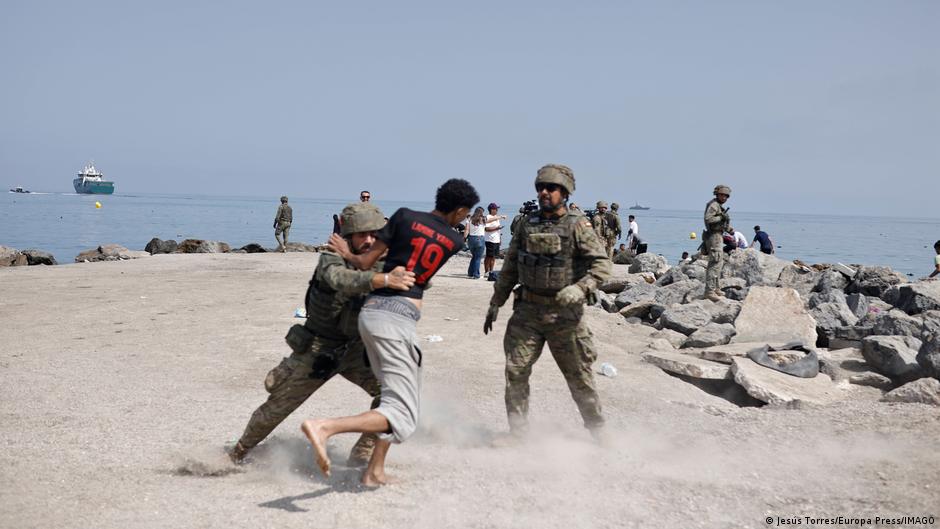
Spain’s recent migrant crisis in the North African enclave of Ceuta has not only heightened geopolitical tensions but also reverberated through global financial markets, particularly affecting Wall Street trading patterns.
Geopolitical Developments and Market Reactions
On July 31, Spanish Prime Minister Pedro Sánchez characterized the sudden arrival of approximately 60,000 illegal migrants into Ceuta as an "attack" on Spain’s sovereignty, underscoring the gravity of the situation. The migrant influx, originating from neighboring Morocco, led Madrid to deploy military forces to maintain order—marking its first such deployment since 2021. Concurrently, reports confirmed that dozens of migrants drowned attempting to cross into Ceuta, with fatalities reaching 57 by the end of July.
Despite the crisis, the Spanish government announced that most migrants voluntarily returned to Morocco through the land border, with Foreign Minister José Manuel Albares declaring the crisis "effectively resolved" by July 31.
Still, the social unrest in Ceuta, where residents protested against the influx and expressed concerns over security, signaled potential instability affecting regional economies.
"Many are afraid to leave their homes," a Ceuta resident told Spanish broadcaster RTVE, reflecting local anxiety amid the migrant surge.
In a direct response to the migrant wave, Italy unilaterally suspended the Schengen Agreement’s free movement provisions with Spain to safeguard its borders, further intensifying European border control discussions.
Wall Street Market Impact: Sector Rotation and Trading Volumes
Equity markets on Wall Street reacted to these geopolitical developments with notable sector rotation and shifts in trading volumes. Defense and security-related stocks saw increased investor interest as concerns about border security and military deployments rose. Companies in aerospace and defense sectors experienced volume spikes, reflecting expectations of heightened government spending.
Conversely, sectors sensitive to immigration and labor markets, such as retail and consumer discretionary, exhibited mixed performance. Investor caution extended to European-focused multinational corporations due to potential disruptions in cross-border operations and consumer sentiment.
Market analysts observed increased volatility in currency markets as the crisis influenced Eurozone stability perceptions, indirectly affecting European equities listed on U.S. exchanges.
Trading volumes overall surged as market participants adjusted portfolios to hedge against geopolitical risks, accelerating shifts toward defensive stocks and away from growth-oriented sectors vulnerable to regional instability.
Equity research reports highlighted the importance of monitoring developments in Spain and the broader Mediterranean region, noting that the migrant crisis could influence broader European economic recovery trajectories, impacting multinational companies and investment flows.