Zaporizhzhia Nuclear Plant’s Power Outage Raises Concerns Amid Rising Geopolitical Tensions
Repeated outages at Zaporizhzhia nuclear power plant fuel market uncertainty, impacting energy sector stocks and investor sentiment on Wall Street.
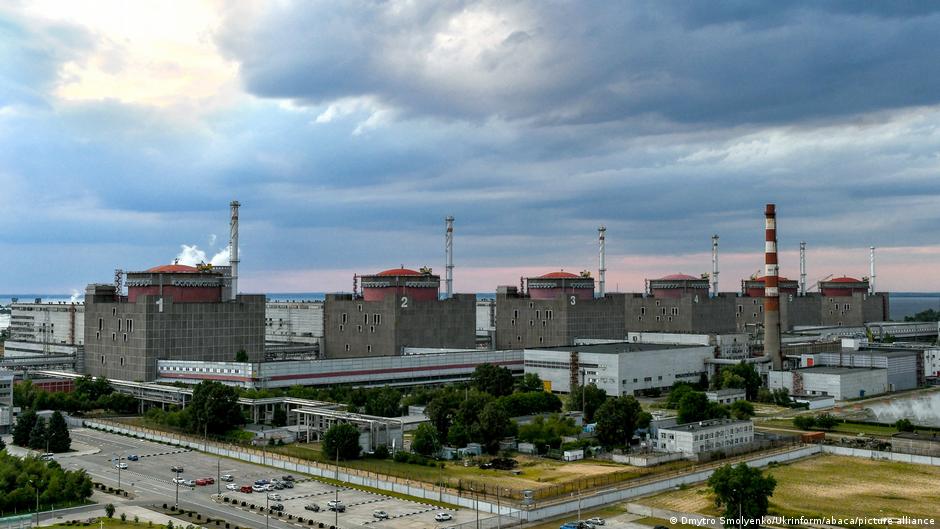
The Zaporizhzhia Nuclear Power Plant (ZNPP), under Russian control since the onset of the full-scale conflict in Ukraine, has experienced its 23rd loss of external power supply since February 2022. The latest outage, reported by the International Atomic Energy Agency (IAEA) on August 1, saw the plant rely on emergency diesel generators for nearly two hours to maintain critical cooling functions.
Implications for Energy Markets and Sector Rotation
The recurrent power disruptions at one of Europe’s largest nuclear facilities have heightened concerns among investors about energy security and the geopolitical risks embedded in the market. As the ZNPP’s external power line remains vulnerable, the risk premium on energy stocks, particularly those related to nuclear and power utilities, has increased. This has triggered a cautious rotation away from utilities toward sectors perceived as safer amid geopolitical uncertainty.
"The ongoing instability in Ukraine's energy infrastructure underscores the fragility of global energy supply chains, influencing investor risk assessments in the sector," said a market analyst specializing in energy equities.
Trading volumes in energy ETFs and related stocks have seen noticeable spikes following the IAEA’s announcement, reflecting heightened investor focus. Meanwhile, equities in sectors such as technology and consumer discretionary are witnessing relative outflows, as market participants seek to hedge against potential disruptions in energy supply.
Geopolitical Context and Nuclear Safety Concerns
The IAEA noted the unresolved causes behind the latest outage on the last remaining power line feeding the plant, which is situated in the Russian-occupied territory of Ukraine. The organization highlighted increased military activity near the plant and the city of Enerhodar, home to much of ZNPP’s workforce, alongside reports of prolonged internet outages and water supply issues that exacerbate nuclear safety risks.
Since April 2022, the Zaporizhzhia plant has been under Russian military control. Satellite imagery and analysis by Greenpeace Ukraine indicate ongoing construction by Russian authorities of a high-voltage transmission line connecting the ZNPP to annexed Ukrainian territories and southern Russian regions. This infrastructure aims to integrate the plant into Russia’s power grid, potentially supplanting plans for new reactors in southern Russia.
However, Ukrainian drone strikes in early July temporarily disrupted these efforts by targeting a substation in Henichesk, complicating Russian plans to solidify energy control over the region.
Investor Outlook and Equity Research Perspectives
Equity research analysts emphasize that the uncertainty surrounding the Zaporizhzhia plant’s operation adds layers of risk to energy sector forecasts. While nuclear power remains a critical component of Europe’s energy mix, disruptions at a facility of this scale could have ripple effects on supply stability and pricing. Investors are advised to monitor geopolitical developments closely alongside energy sector earnings reports and infrastructure updates.
Overall, the situation underscores how geopolitical conflicts can swiftly translate into market volatility, affecting specific stocks and sector performance on Wall Street.