Russia’s Prolonged War Outlook Drives Sector Rotation and Market Volatility on Wall Street
Adviser to Rosneft’s Sechin signals decades-long conflict, raising concerns for energy stocks and trading dynamics.
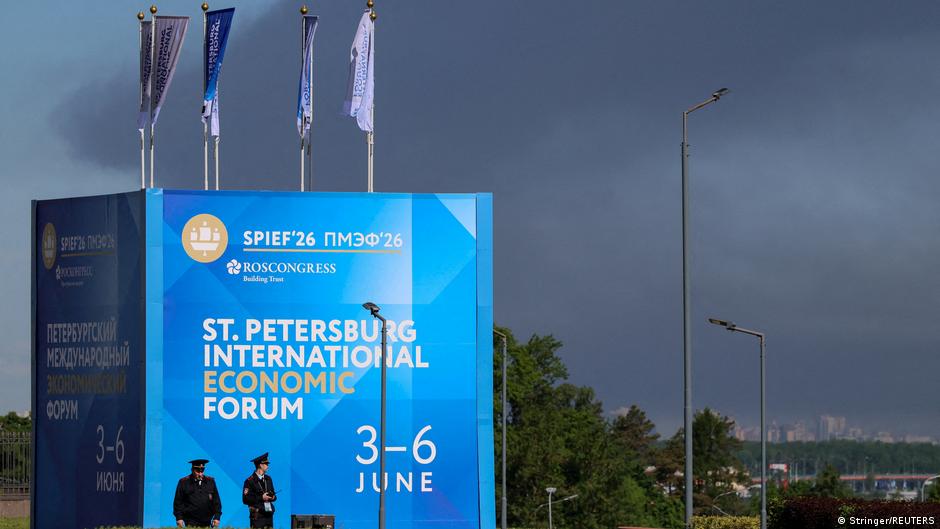
Wall Street investors are recalibrating their strategies in response to new geopolitical insights from Russia, where a senior adviser to Rosneft’s CEO has indicated that the country could remain in a state of war for several decades. This forecast, delivered at the St. Petersburg International Economic Forum (SPIEF), is already influencing sector rotation, trading volumes, and equity research coverage, especially within energy and defense stocks.
Long-Term Conflict Outlook Spurs Market Reactions
Andrey Bezrukov, adviser to Rosneft’s head Igor Sechin and a former intelligence officer, stated on June 3 that Russia may endure "a couple of decades" of warfare, involving "two generations considered practically at war." Bezrukov emphasized the need for Russia's economic and state systems to support not only development but also defense capabilities.
"We need to build a state system and economy that fulfills not only development tasks but also defense tasks," Bezrukov said.
Such a protracted conflict scenario is contributing to heightened volatility in stocks tied to energy production and defense technologies. Market participants are closely watching Rosneft shares and broader energy sector equities, as the prospect of continued military engagement raises questions about supply chain stability and capital allocation.
Sector Rotation and Trading Volume Implications
The announcement has accelerated a rotation out of more cyclical and consumer-focused sectors into defense contractors and energy firms. Traders are increasing volumes in stocks such as Rosneft and other Russian energy entities, anticipating increased government support and sustained demand despite sanctions and operational challenges.
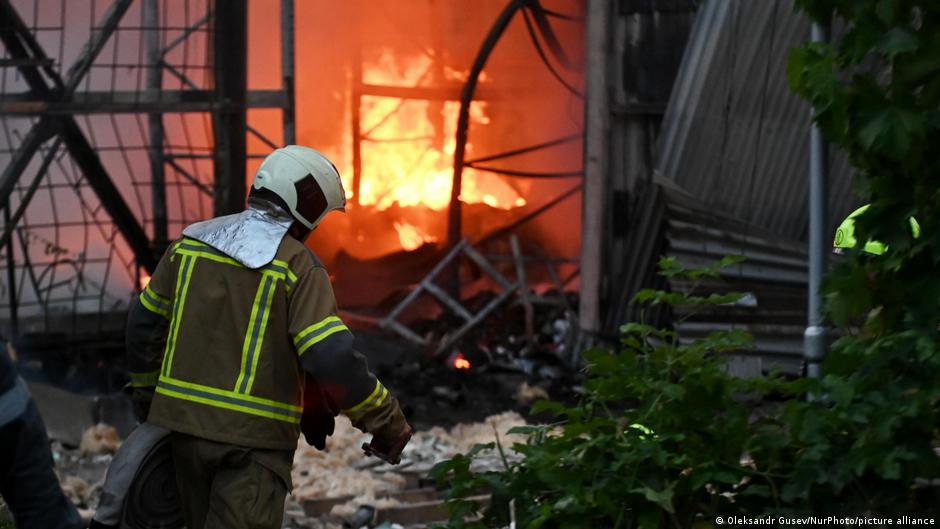
Meanwhile, infrastructure vulnerabilities highlighted by recent drone attacks in Saint Petersburg — including damage to a major petroleum terminal — have underscored risks to logistics and energy distribution, further impacting investor sentiment.
Equity Research and Risk Assessment
Equity analysts are revising risk profiles for Russian equities, considering the dual pressures of extended conflict and geopolitical instability. The heightened risk of "bio-warfare" technologies mentioned by Bezrukov also introduces a novel but uncertain dimension to defense-related stock valuations.
Overall, the market is responding cautiously, balancing the potential for government-driven defense spending with operational and supply risks inherent in a prolonged conflict environment.
As Wall Street navigates these developments, investors will need to monitor evolving geopolitical dynamics and their ramifications for corporate earnings and strategic capital deployment.