Russian Strikes on Kyiv Impact Key Cultural Sites and Raise Market Concerns in Ukraine
Recent missile attacks by Russian forces on Kyiv caused fatalities and fires at UNESCO sites, increasing regional instability with potential effects on market sectors.
On June 15, Russian military forces launched a series of missile strikes on Kyiv, Ukraine's capital, resulting in significant human casualties and damage to cultural heritage sites. The attacks have prompted concerns regarding the regional market stability and sector rotations as trading volumes adjust to the deteriorating geopolitical environment.
Impact on Kyiv's Cultural and Residential Infrastructure
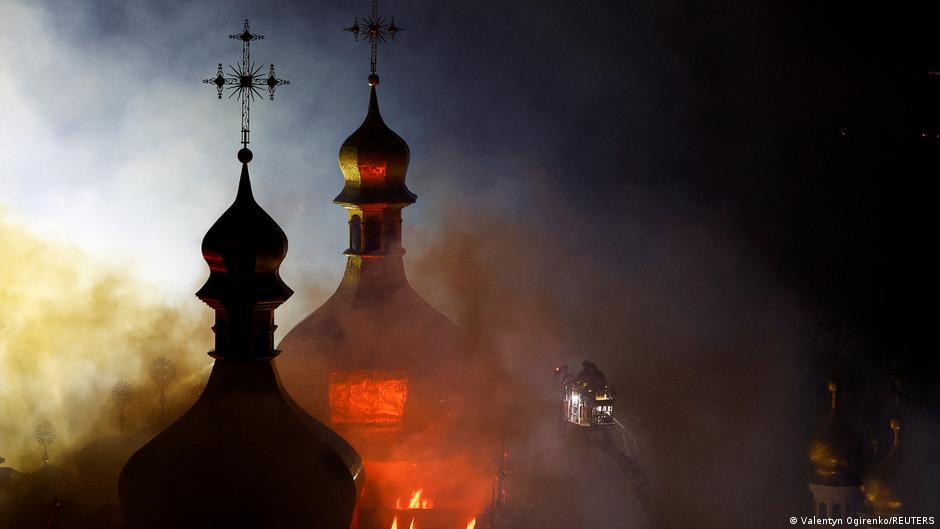
The assault included a direct hit on the Kyiv Pechersk Lavra, a UNESCO World Heritage site renowned for its historical and religious significance. The strike ignited a major fire on the roof of the Assumption Cathedral, the principal church of the monastic complex. This complex has been previously damaged in earlier phases of the conflict, notably suffering gallery damage in January 2023.
"The Kyiv Pechersk Lavra is not only a spiritual landmark but also a barometer of cultural preservation amid conflict," said experts monitoring cultural heritage sites.
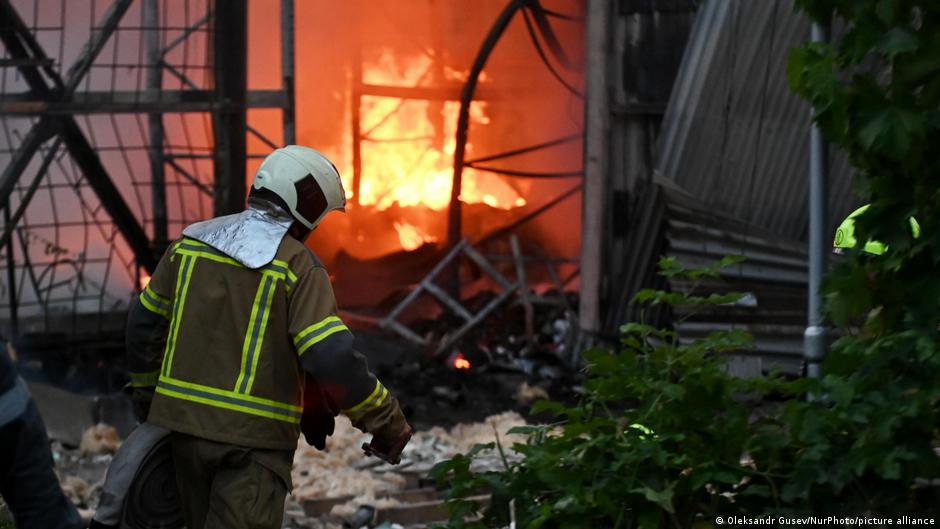
City officials confirmed that at least four people died in Kyiv, with additional casualties reported in the eastern city of Kharkiv where five rescue workers lost their lives while responding to subsequent fires. Residential buildings across multiple Kyiv districts, including Pechersky, Solomiansky, Obolonsky, and Shevchenkivskyi, were also targeted, resulting in structural damage and partial collapses. An estimated 140,000 residents faced power outages due to damaged electricity lines.
Market Implications and Sectoral Shifts
These developments have heightened investor concerns in the Ukrainian and regional markets. The cultural and civilian infrastructure damage exacerbates the already volatile environment, influencing equity research and trading activity. Investors are closely watching key sectors such as utilities, infrastructure, and construction for potential impacts from ongoing hostilities.
Market analysts note that the attacks may accelerate sector rotation out of Ukraine-focused assets and related industries due to increased risk. Trading volumes in regional ETFs and equities linked to Ukrainian infrastructure have shown increased volatility in response to the news.
"Geopolitical risks remain a defining factor for portfolio adjustments, with cultural heritage sites damage underscoring the broader societal impact," stated a senior equity analyst specializing in Eastern European markets.
As the conflict continues to evolve, market participants are adopting a cautious stance, with an emphasis on real-time intelligence to guide investment decisions. The intersection of cultural heritage preservation and economic stability remains a critical concern for both local and international stakeholders.