Russian Strikes on Kramatorsk Raise Market Concerns Amid Ukraine Conflict Escalation
Air strikes on Kramatorsk and nearby areas cause casualties, increasing geopolitical risks influencing sector rotation and trading volumes on Wall Street.
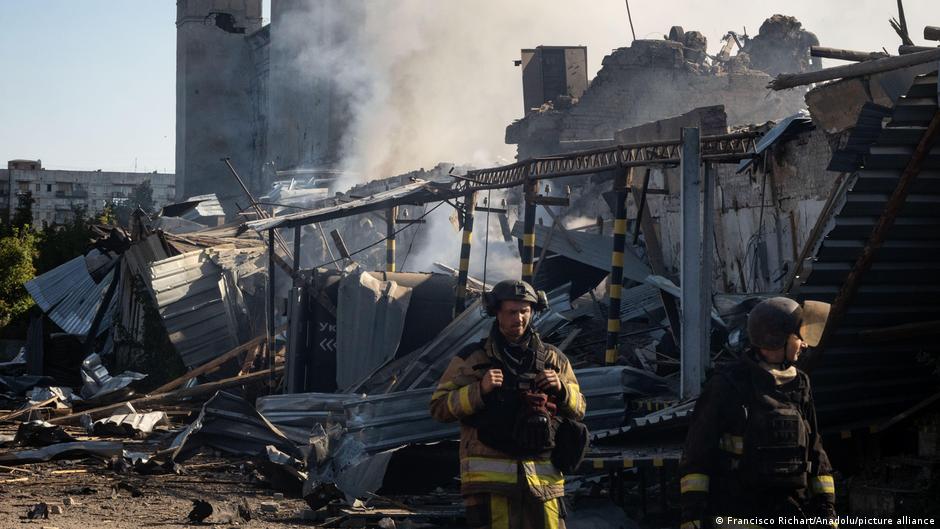
On the evening of August 13, Russian armed forces launched a series of air strikes targeting the city of Kramatorsk and the nearby urban-type settlement of Bilenke in Ukraine's Donetsk region. Preliminary information indicates the use of aerial bombs, resulting in one confirmed fatality and 15 injuries.
Vadym Filashkin, head of the regional military administration, reported that eight strikes occurred between 20:30 and 20:56 local time. The attacks damaged residential areas, including a multi-story apartment building that partially collapsed, with fires reported at the scene. Emergency services have indicated the possibility that people remain trapped under the rubble.
Market Implications of Renewed Hostilities
The escalation in the Donetsk region adds a layer of geopolitical risk that is reverberating through global financial markets, particularly affecting trading volumes, sector rotation, and investor sentiment on Wall Street.
"Renewed air strikes signal heightened instability in Eastern Ukraine, prompting investors to reassess exposure to sectors sensitive to geopolitical tensions," said an equity research analyst.
Investors have observed increased volatility in defense-related stocks, energy commodities, and European equities sensitive to Eastern European geopolitical developments. The consistent pattern of Russian attacks on cities like Kramatorsk, which was previously struck multiple times throughout July, has intensified concerns about prolonged conflict, influencing capital flows toward perceived safe-haven assets.
The energy sector, in particular, has experienced notable shifts as supply chain anxieties drive price fluctuations, while defense contractors have seen elevated trading volumes as markets anticipate potential increases in military spending. Additionally, equities in sectors reliant on European consumer confidence have faced pressure amid the uncertainty.
Market participants are also closely monitoring equity research updates, which increasingly incorporate conflict-driven risks into valuation models and earnings forecasts. This has prompted some portfolio managers to adjust sector allocations, favoring defensive stocks and away from high-beta equities vulnerable to geopolitical shocks.
Overall, the strikes in Kramatorsk underscore the fragility of the current geopolitical landscape and its direct impact on market dynamics, with investors recalibrating risk assessments and asset distributions accordingly.