Russian Ship Registry Swells as Sanctions Pressure Reshapes Energy Shipping Risk
A 36% expansion in Russia-flagged vessels highlights fresh compliance, insurance and transport risks for energy-linked equities.
Russia’s ship registry has expanded sharply as diplomatic and sanctions pressure forces vessels in the so-called shadow fleet to choose between the risk of detention, sailing under false flags or moving into the Russian flag system, according to an analysis by the Centre for Research on Energy and Clean Air.
From January 2025 through June 2026, the registry of vessels sailing under the Russian flag grew by 36%, with 107 ships added over the period. The largest monthly increase came in December 2025, when 25 new entries were added. For equity investors, the figures point to another layer of operational risk around Russian energy flows, maritime services, insurers, ship registries and companies exposed to seaborne oil and liquefied natural gas trade.
The shift comes as open registries change their policies and increasingly move to prevent sanctioned cargo from being carried on shadow-fleet vessels. Barbados and Palau have fully cleared their registries of sanctioned ships, while Panama has reduced the number by almost two-thirds from its May 2025 peak, CREA said. The world’s largest ship registries have also launched a shared database, known as RISC, to counter reflagging and other forms of sanctions evasion.
That tightening has narrowed the choices available to operators of sanctioned or high-risk vessels. By June, 46 ships that had previously sailed under the flags of the Comoros or Gambia had been registered in Russia. Others moved under the flags of Sierra Leone and Equatorial Guinea, while some continued operating without a recognized flag.
Market Risk Extends Beyond Shipping
The immediate market read-through is most direct for tanker owners, maritime insurers, energy traders, classification and compliance service providers, and port-exposed logistics businesses. While the analysis does not identify listed companies by name, the pattern it describes increases the importance of screening exposure to Russian crude, fuel products and sanctioned LNG in equity research covering the global transport and energy complex.
Among the 107 ships added to the Russian registry, 93 had previously been sanctioned, and 90 were under restrictions from more than one jurisdiction. Vessels that transported Russian oil before the first sanctions were imposed changed flags three times more often than before, CREA found. Sixteen of those ships also transported Iranian or Venezuelan oil.
For Wall Street, the issue is not only whether Russian barrels and LNG continue moving, but how the infrastructure around that trade becomes harder to price. Sanctions enforcement can alter freight availability, raise insurance uncertainty, complicate port access and increase the probability of disruptions that ripple through oil, fuel and LNG markets. Those risks may matter most for investors tracking sector rotation between energy producers, refiners, tanker equities, commodity merchants and industrial transport names.
After switching to the Russian flag, the vessels continued carrying Russian fuel around the world. Oil worth 5.2 billion euros moved mainly to China, according to the analysis. Ship-to-ship transfer schemes were also used in Egypt and the Red Sea, underscoring how cargoes can continue to reach buyers even as flagging options tighten.
“The incident with Arctic Metagaz showed the Russian flag for what it really is: a shield for dangerous vessels, providing no support in the event of a disaster and leaving coastal states to manage risks and consequences,” analyst Luke Wickenden said.
Equity Research Focus Turns to Compliance and Disruption
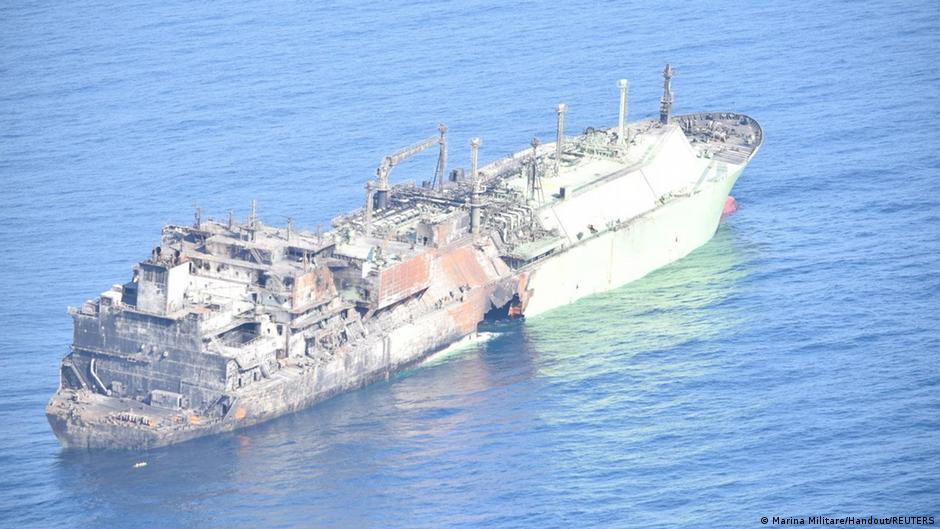
The Arctic Metagaz case illustrates why investors may increasingly treat maritime sanctions as a live operating risk rather than a background policy issue. In March, the Russian LNG carrier Arctic Metagaz caught fire in the Mediterranean Sea. Libya, Malta and Italy were forced to manage the crisis on their own, according to the report.
Arctic Metagaz is one of roughly 10 gas carriers used to transport sanctioned LNG from Russia’s Arctic LNG 2 terminal to the port of Beihai on China’s southern coast. In February 2026, the vessel left the port of Murmansk after loading and was probably heading toward the Egyptian port of Suez, gCaptain had indicated. The ship has been under U.S. and U.K. sanctions since 2024.
The episode adds a concrete safety and liability dimension to the broader sanctions story. A ship operating under a flag that other market participants view as offering limited practical support can create risks for coastal states, port authorities and private companies drawn into emergency response, cleanup, logistics or insurance questions.
Trading desks are likely to watch whether further registry tightening produces measurable effects in freight rates, tanker utilization, shipping equity volumes or energy-linked volatility. A continued migration of sanctioned vessels into the Russian registry could reinforce a bifurcated market: compliant fleets serving mainstream trade and higher-risk vessels serving restricted cargo flows.
That split may affect how investors value companies with exposure to energy transport. Names with strong compliance controls and limited exposure to sanctioned cargoes may attract a premium in periods of heightened enforcement, while companies with opaque counterparties, emerging-market port exposure or indirect links to shadow-fleet logistics could face greater scrutiny.
The CREA analysis suggests that pressure on the shadow fleet has not stopped Russian fuel movements, but it has changed the legal and operational channels through which they occur. For markets, that means the sanctions story remains a moving target: less a simple supply shock than a continuing reallocation of risk across shipping routes, registries, insurers, energy buyers and the equities tied to them.