Russia Rejects Ukraine Talks Pause as Geopolitical Risk Stays in Focus
Lavrov’s remarks at the United Nations kept Ukraine war risk on investors’ screens as Wall Street assessed defense, energy and Europe exposure.
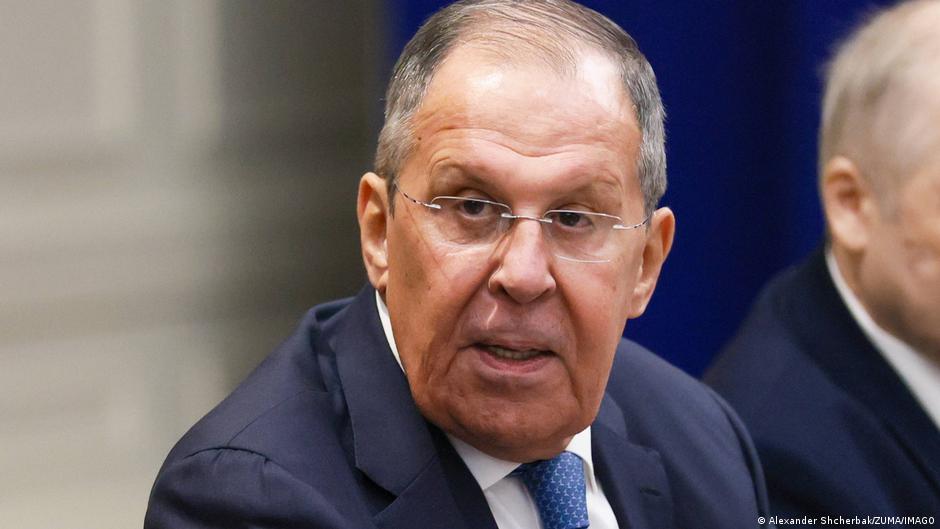
Russia will not halt its military campaign in Ukraine to create a pause for negotiations in any format, Russian Foreign Minister Sergei Lavrov said in New York on Wednesday, September 23, keeping a major geopolitical risk factor firmly in view for global equity markets.
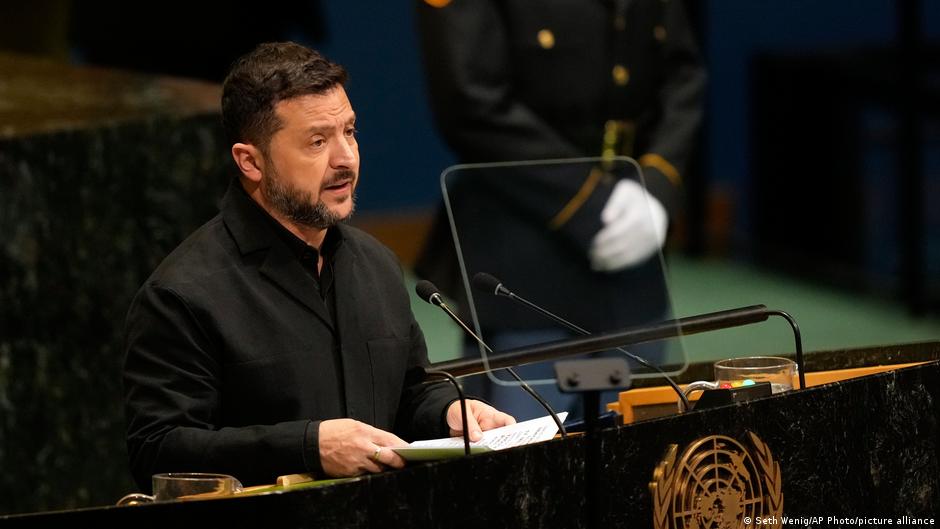
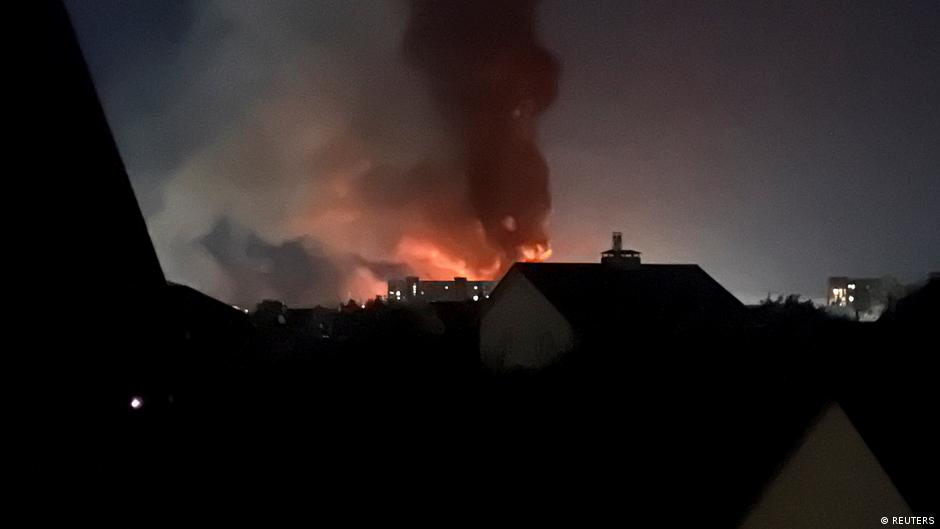
Lavrov made the statement at a meeting of the United Nations Security Council while the UN General Assembly was taking place in New York. His comments came as Moscow continued strikes on Kyiv and as U.S. Secretary of State Marco Rubio again said Washington was prepared to play a constructive role in seeking a ceasefire.
For Wall Street, the remarks add another layer of uncertainty to a market already sensitive to defense spending expectations, energy supply risk and the outlook for multinational companies with European revenue exposure. While the article did not cite specific moves in U.S. equities, the policy signal is relevant for investors tracking aerospace and defense contractors, energy producers, European banks and industrial companies exposed to the region’s security and growth outlook.
Russia will not make a “pause” for negotiations with Ukraine in any format, Lavrov said, according to the Russian Foreign Ministry.
According to Lavrov, Europe wants such a pause for the purpose of gaining a respite and replenishing what he described as the depleted military arsenals of Kyiv’s government. He also said Russia was ready for negotiations aimed at achieving what Moscow calls a “lasting just peace.” The combination of refusing a pause while presenting Russia as open to talks leaves investors facing a familiar ambiguity: diplomacy remains possible, but the operating assumption for risk assets may still be a prolonged conflict.
Defense and energy remain the direct market channels
The most immediate equity-market lens is the defense sector. A prolonged war in Ukraine has supported attention on U.S. and European military procurement, munitions production and air defense systems. Investors following large defense names often read statements like Lavrov’s through the prism of future budget commitments, NATO procurement needs and the pace at which Western governments may seek to rebuild inventories.
Lavrov’s explicit reference to depleted arsenals also keeps ammunition, missile systems and supply-chain capacity in focus. Equity research desks may therefore continue to examine order backlogs, production-rate expansion and margin risk across defense suppliers. The source article did not name any companies, but the sector read-through is clear: any indication that the war will not be paused for negotiations can sustain investor interest in defense spending durability.
Energy is the second channel. The source text did not mention oil, gas or commodities prices, and no market data were provided. Even so, the war in Ukraine has remained a structural variable in energy risk assessment, especially for investors looking at European supply security and global fuel markets. Continued Russian strikes on Kyiv, alongside the absence of a negotiating pause, may reinforce the geopolitical premium embedded in some energy-sector analysis.
That does not mean energy stocks necessarily move in one direction on such headlines. Traders also weigh inventories, OPEC policy, interest rates, demand expectations and currency moves. But Russia-Ukraine headlines still have the capacity to shape intraday positioning, particularly when they affect assumptions about escalation risk or diplomatic offramps.
Rubio meeting underscores diplomatic uncertainty
Before his remarks, Lavrov met Rubio in New York. The talks lasted around one hour, according to Interfax, and represented the fifth meeting between the two countries’ foreign ministers since 2025. The meeting matters for investors because it shows that high-level U.S.-Russian contact continues even as the battlefield situation remains severe.
Rubio, speaking at the UN General Assembly in New York, again assured participants that Washington was ready to play a constructive role in achieving a ceasefire. That message gives markets a diplomatic counterweight to Lavrov’s refusal to pause the war effort for talks. For equities, the mixed signal complicates the usual risk-on or risk-off interpretation: there is contact between officials, but no indication from Moscow that military pressure will stop during negotiations.
In sector terms, that mixture can encourage rotation within the market rather than a broad, uniform response. Investors may favor defense and selected energy exposure while remaining cautious on European cyclicals, airlines or industrial companies sensitive to regional uncertainty. At the same time, any credible progress toward a ceasefire could reverse some of those trades quickly, making headline risk a central factor for portfolio managers.
Trading volumes around geopolitical headlines can concentrate in exchange-traded funds tied to defense, energy, Europe and broader risk assets, as well as in individual companies with clear exposure to government spending or commodity markets. The source article did not provide trading-volume figures, but the type of headline is one that typically invites fast reassessment by macro funds, event-driven traders and sector specialists.
G20 invitation adds another catalyst
Rubio earlier said the United States had invited Russian President Vladimir Putin to take part in the G20 summit scheduled for December in Miami. He said that solving problems requires meeting with people with whom there are disagreements or friction, and that this was why Putin had been invited.
Rubio also said the Miami summit could give Putin an opportunity to meet U.S. President Donald Trump and other world leaders. “We hope he accepts this invitation,” Rubio added.
That potential meeting now becomes a future catalyst for investors to track. A Putin appearance at the G20, particularly if it includes a meeting with Trump, could influence market expectations for diplomacy, sanctions policy and the trajectory of Western support for Ukraine. Conversely, any rejection of the invitation or breakdown in contacts could harden the market’s view that the war remains entrenched.
For equity research, the key question is not only whether negotiations occur, but whether they change the probability distribution for corporate earnings. Defense contractors, energy companies, banks with European exposure and multinationals reliant on stable regional demand may all be viewed through that lens. Lavrov’s statement suggests that, for now, investors should not assume a military pause simply because diplomatic channels remain open.
The market impact will depend on how traders connect the comments to broader risk appetite. With no ceasefire in place, continued Russian strikes on Kyiv and high-level U.S.-Russian discussions still underway, the Ukraine war remains a live variable in sector rotation, valuation assumptions and short-term positioning across Wall Street.