Russia Fuel Curbs Return as Refinery Strikes Raise Market Supply Risks
Kaluga and Zabaikalsky have reinstated gasoline sales restrictions, adding pressure to Russia’s fuel market as refinery outages deepen.
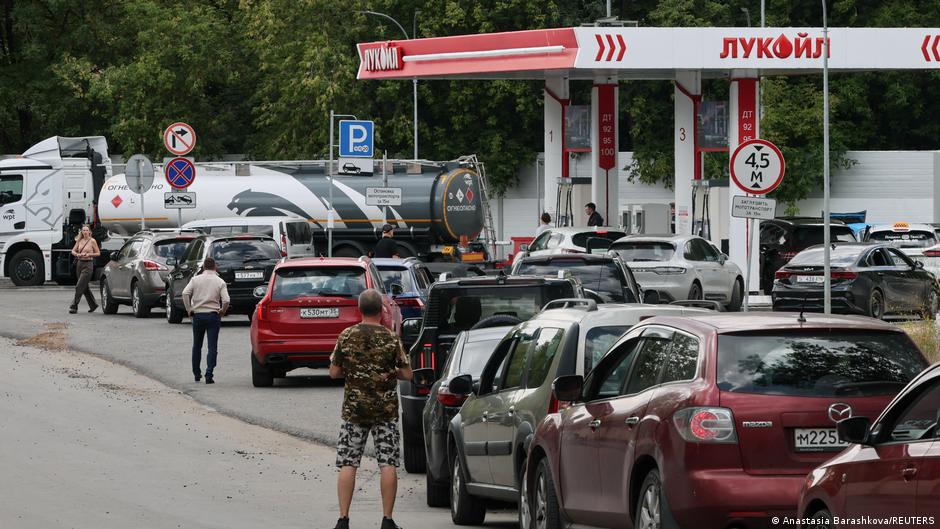
Regional fuel restrictions are returning in Russia, signaling renewed stress in the country’s downstream energy system and raising fresh questions for investors tracking oil products, refinery utilization, transport costs and broader consumer inflation pressures.
Authorities in the Kaluga region, which borders Moscow and the Moscow region, and officials in Zabaikalsky Krai have reintroduced limits on gasoline sales from September 23 after a renewed wave of Ukrainian attacks on Russian oil refineries. The restrictions mark a second phase of measures after earlier limits were lifted in parts of Russia during the summer.
For Wall Street, the immediate read-through is less about direct exposure to local Russian fuel retailers and more about the wider market implications: refined-product tightness, logistics bottlenecks, potential shifts in crude and product flows, and the knock-on impact on global energy-linked equities. Oil majors, refiners, tanker operators, commodity traders and fuel distributors may all see the headlines folded into risk models, even where sanctions limit direct trading links with Russia.
Restrictions Return Near Moscow
Kaluga Governor Vladislav Shapsha said on Tuesday, September 22, that the region would bring back gasoline sales restrictions from September 23. Drivers will be allowed to refuel on even or odd days depending on the first digit of the vehicle’s registration number. Gasoline may also be dispensed only into a vehicle’s tank, limiting the ability to fill canisters or build private reserves.
“We are now recording local logistics disruptions in fuel deliveries to individual filling stations. Queues have returned. This causes justified dissatisfaction,” Shapsha wrote on Telegram.
The Kaluga region had already introduced an even-odd gasoline sales regime on August 15, before lifting it on September 1. Its return three weeks later suggests that regional supply chains remain vulnerable to production outages and distribution strain.
In Zabaikalsky Krai, the regional operations headquarters said the BRK and Kors filling station networks would set a limit of 15 liters of AI-92 and AI-95 gasoline per vehicle from September 23. Buyanto Batomunkuyev, the first deputy chairman of the regional government, said the measures were linked to fuel inventories at filling stations and oil depots totaling 17,000 tons. At the current rate of sales, he said, that would be enough for only 20 days.
The region had imposed similar restrictions in June and removed them on July 23. Their reintroduction points to recurring inventory stress rather than a one-off logistical problem.
Equities Watch Refining and Transport Signals
Energy desks are likely to treat the developments as another indicator of refinery disruption risk inside Russia. Ukrainian drone attacks on Russian refineries have caused fires and forced plants to cut or fully halt production. After earlier restrictions were canceled, attacks intensified again from the start of August, and Russia entered what the source article describes as a second wave of fuel crisis.
For U.S. and European investors, the main equity-market lens is sector rotation inside energy. Refiners outside Russia can benefit when regional shortages support product margins, but the same dynamic may raise input and transport costs for industrials, airlines and consumer-facing companies. If Russian domestic fuel stress changes export behavior or product availability, traders may also reassess diesel, gasoline and naphtha spreads.
Major integrated oil companies, independent refiners and fuel distributors could see renewed attention if investors expect higher refining margins or more volatile product supply. Shipping and tanker names may also move if altered flows create longer routes or demand for substitute supply. Conversely, companies exposed to elevated fuel costs, including transportation, logistics and some retailers, could face margin concerns if global refined-product prices react.
The article does not identify publicly traded Russian fuel companies affected by the specific Kaluga and Zabaikalsky measures. The restrictions were introduced either by regional authorities or by filling-station networks, with BRK and Kors named in Zabaikalsky Krai. As a result, the clearest trading signal for Wall Street is macro and sector-based rather than tied to a single listed issuer.
Fuel sales restrictions, whether imposed by regional governments or filling station chains, were introduced this summer in almost all Russian regions and in annexed Crimea. The supply problems prompted Russian President Vladimir Putin on June 28 to order systemic measures to stabilize the market.
The shortage emerged after Ukrainian drone attacks on Russian refineries. Ukraine has been defending itself for more than four years against Russia’s military invasion. Strikes and fires at refineries forced some enterprises to reduce production or stop it completely. The restrictions were later lifted, but the renewed acceleration of attacks from early August has again tightened fuel availability.
By mid-September, Russia’s gasoline deficit had worsened, with fuel absent at almost every second filling station, according to Novaya Gazeta Europe, which cited data from the gdebenzin service.
Trading volumes in energy-related equities may rise around such headlines because investors often use refinery disruptions as a proxy for product-market tightness. The effect can extend beyond oil producers to refiners, transport firms, chemical producers and inflation-sensitive consumer stocks. The key question for equity research teams is whether Russia’s regional fuel restrictions remain localized logistics events or become evidence of a more persistent downstream production problem.
If shortages continue, analysts may look for signals in refining margins, European and Asian product prices, tanker rates and broader inflation expectations. For now, the return of limits in Kaluga and Zabaikalsky shows that Russia’s domestic fuel market remains under pressure despite earlier attempts to stabilize supply.