EU Sanctions Deadline Keeps Russia Risk Premium in Focus for Wall Street
Kaja Kallas urged EU ambassadors to extend Russia sanctions as disputes over two billionaires raised market attention on policy risk.
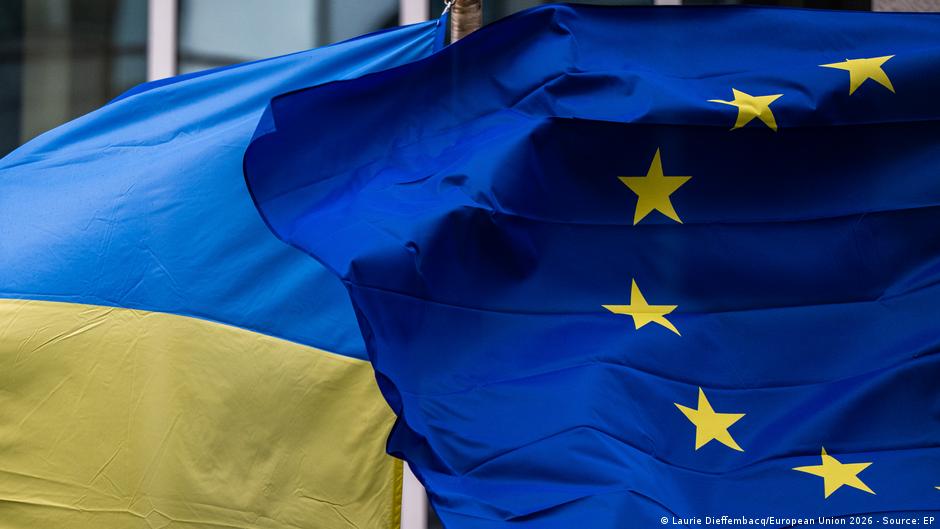
European Union foreign policy chief Kaja Kallas urged ambassadors from EU member states to extend sanctions against Russia over the war in Ukraine, keeping geopolitical risk on the radar for Wall Street desks tracking energy, defense, banks and emerging-market exposure.
Speaking to journalists in New York on Monday, September 21, Kallas said maintaining sanctions against the Russian Federation remained important. Her comments came before a new meeting of the permanent representatives of EU countries, after ambassadors had earlier failed to extend punitive measures because of disagreements involving Russian billionaires Alisher Usmanov and Mikhail Fridman.
“Sanctions are a key element of our response to the war unleashed by Russia,” Kallas said, describing them as intended to deprive Moscow of financing.
For U.S. investors, the immediate issue is not a single company earnings event but the persistence of a sanctions regime that continues to shape sector rotation and risk appetite. Restrictions tied to Russia have influenced trading in energy-linked equities, European financials, defense contractors and companies with commodity supply chains. Any sign of weakening EU unity can affect how investors price geopolitical risk, particularly in sectors already sensitive to oil, gas, metals and cross-border capital flows.
According to Kallas, cited by AFP, representatives of EU countries are seeking to complete negotiations on extending the punitive measures against Russia in the near term and to ensure they enter into force quickly. She stressed that the EU position remains unchanged and that Brussels is already working on a new sanctions package.
Sanctions Dispute Adds Policy Risk to Market Watchlists
The next meeting of EU permanent representatives was scheduled for the morning of September 22, according to a DW correspondent in Brussels citing an EU diplomat. The meeting was expected to address whether sanctions should be lifted from Usmanov and Fridman while preserving restrictive measures against thousands of other individuals and organizations.
That distinction matters for markets because sanctions policy is both a diplomatic instrument and a compliance framework. Banks, commodity traders, insurers, shipping companies and multinational corporations monitor these lists closely. Even when no U.S.-listed issuer is directly named in a development, sanctions negotiations can affect investor assumptions about legal risk, payment channels, financing availability and the durability of Western coordination.
On September 14, EU permanent representatives failed to agree on another six-month extension of sanctions against Russia for violating Ukraine’s territorial integrity. Instead, they decided to extend the existing regime during further consultations, until midnight on September 22.
Sources speaking to DW on condition of anonymity said the disagreements were linked to Slovakia’s push to remove Usmanov and Fridman from the sanctions list. France, in turn, blocked the extension of the sanctions regime while seeking the removal of Usmanov. Luxembourg also supported taking Fridman out from under the punitive measures, Reuters reported on September 21, citing diplomatic sources.
Equity research teams following Europe-facing U.S. multinationals are likely to treat the episode as a signal about EU cohesion rather than a direct catalyst for one stock. A clean extension would reinforce continuity in the sanctions framework, supporting a familiar market narrative: continued constraints on Russian financing, persistent geopolitical risk in Europe, and sustained demand for compliance and risk-management capabilities across financial institutions.
A failure to extend, or a visible carve-out for prominent Russian business figures, could create a different reading. It may encourage investors to reassess the political durability of sanctions and the probability of future exemptions. That would not necessarily translate into immediate changes in earnings estimates, but it could influence sentiment around sectors where Russia exposure, energy prices or European political risk remain part of the valuation discussion.
Defense stocks have been among the clearest beneficiaries of Europe’s changed security environment since Russia’s full-scale war in Ukraine began. Continued EU sanctions would fit with a broader policy stance that has supported elevated attention to military spending and security supply chains. Energy shares, meanwhile, remain sensitive to any development that affects expectations for Russian supply constraints, European demand management or future sanctions packages.
Financial stocks also remain exposed to the compliance dimension. Large banks and payment intermediaries must navigate sanctions lists, asset freezes and transaction screening. While the source material did not name any specific listed companies or quantify market moves, the policy process itself is relevant for trading desks because sudden changes in sanctions status can alter operational risk and client-exposure reviews.
Ukraine Opposes Removing Billionaires From Lists
Ukraine reacted critically to the possibility that sanctions could be lifted from both Russian billionaires. Ukrainian Foreign Minister Andrii Sybiha said Usmanov and Fridman were placed on sanctions lists because of their affiliation with the “Russian aggressive regime, which is waging a war of conquest against Ukraine.” Nothing has changed since then, Sybiha said.
That Ukrainian objection reinforces the diplomatic sensitivity of the decision facing EU ambassadors. The debate is not merely procedural; it concerns how the EU maintains pressure on Moscow while handling requests from member states to remove specific individuals from restrictive measures.
For Wall Street, the takeaway is that Russia-related policy risk remains live even when U.S. indexes are driven primarily by rates, technology earnings and domestic macro data. The sanctions deadline gives traders another checkpoint for Europe-linked exposure, particularly where portfolios include defense, energy, banks, commodities or companies with global compliance burdens.
Kallas’s remarks indicate that Brussels wants continuity and speed, while also preparing another sanctions package. The market significance lies in whether EU governments can preserve a unified front. Until the extension is resolved, sanctions policy remains a near-term headline risk capable of influencing sector flows, even without new numbers or company-specific guidance.