Macron-Trump Ukraine Air Defense Push Puts Defense Stocks Back in Focus
The French and U.S. presidents backed efforts to protect Ukraine’s energy and civilian infrastructure as investors monitor defense demand.
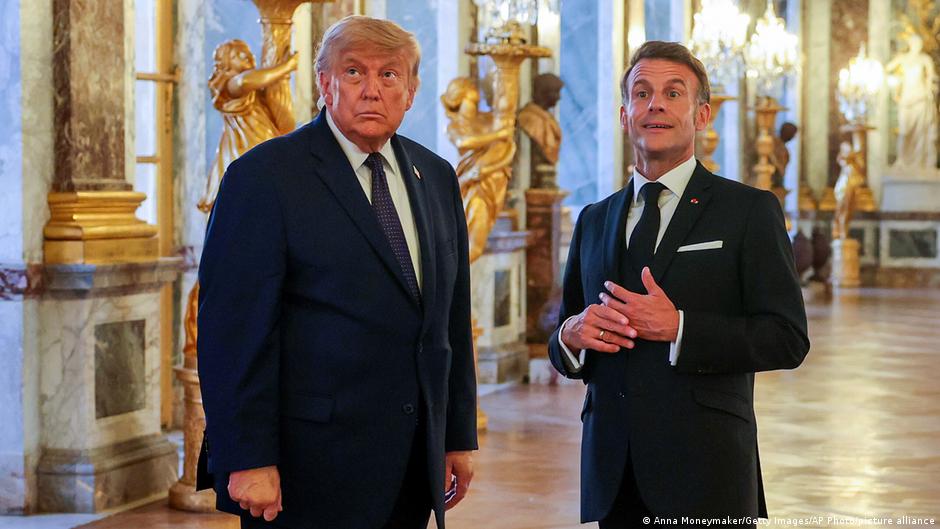
French President Emmanuel Macron said he discussed with U.S. President Donald Trump a joint effort to secure a moratorium on strikes against Ukraine’s energy and civilian infrastructure, putting Ukraine-related defense and infrastructure protection themes back on the radar for Wall Street investors.
Macron wrote Monday, September 21, on X that the two leaders had coordinated on initiatives aimed at limiting attacks on energy facilities during Russia’s war against Ukraine. The message came during a high-profile diplomatic week in New York, where the 81st session of the United Nations General Assembly is taking place from September 22 to 26 and is expected to bring together nearly 130 world leaders.
“We will also combine our efforts to secure a moratorium on strikes against Ukraine’s energy infrastructure and civilian infrastructure. Civilians must be protected, and we must begin serious negotiations as soon as possible on the conditions for peace between Russia and Ukraine,” Macron said.
For equity markets, the immediate read-through is less about a single corporate order and more about the persistence of demand signals around air defense, missile interception, battlefield resilience and energy-infrastructure protection. Macron said after meeting Trump that they agreed on the need to help Ukraine strengthen its defense capabilities, including additional interceptor missiles for Kyiv to defend against Russian air attacks.
That language is likely to keep investor attention on U.S. and European defense contractors with exposure to air and missile defense systems, munitions, radar, command-and-control networks and related sustainment work. In recent years, Ukraine’s defense requirements have become a recurring catalyst for the sector, often influencing trading in companies linked to interceptors, air defense batteries, aerospace systems and replenishment of allied stockpiles.
Defense Demand Remains a Market Theme
Macron’s comments arrive at a time when investors are already tracking whether Western military support for Ukraine will continue to translate into longer procurement cycles. The specific mention of interceptor missiles matters because missile defense is one of the areas where capacity constraints, replenishment needs and government budget allocations can have direct implications for listed defense names.
Stock Press readers will be watching whether the diplomatic push leads to further procurement announcements, accelerated deliveries or fresh commitments by NATO-aligned governments. The article’s source text does not name any contractor, dollar amount, order size or formal package. Still, the political emphasis on strengthening Ukrainian air defense reinforces an existing equity research narrative: European security spending and U.S. defense production remain tied to a longer strategic cycle rather than a short-lived emergency response.
On Wall Street, that can affect sector rotation. Defense shares often benefit when geopolitical risk remains elevated, particularly when headlines point to sustained demand for high-value systems rather than broad, undefined aid. At the same time, any parallel discussion of serious peace negotiations can complicate the trade. A credible path toward de-escalation may reduce geopolitical risk premiums in some areas, while still leaving governments focused on rebuilding inventories and hardening infrastructure.
Macron said civilian protection and negotiations on peace terms between Russia and Ukraine should begin as soon as possible. That dual message, combining defense support with diplomacy, gives investors two competing signals: continued near-term demand for defensive equipment, and the possibility that markets begin pricing a future reduction in war-risk exposure if negotiations gain substance.
Energy Infrastructure and Civilian Protection
The proposed moratorium on strikes against Ukrainian energy and civilian infrastructure also carries implications beyond defense equities. Attacks on power generation, grids and civilian infrastructure have shaped reconstruction expectations and risk assessments around utilities, engineering firms, grid equipment suppliers and insurers. A durable pause in such strikes could eventually affect views on reconstruction timing, although the current report describes an initiative rather than an implemented agreement.
Equity research teams covering industrials and infrastructure are likely to treat the comments as another data point in the broader Ukraine reconstruction framework. A moratorium, if achieved, could reduce some operational risk for energy systems and civilian assets. But without confirmed terms, enforcement mechanisms or Russian acceptance, investors are unlikely to treat it as a near-term earnings catalyst for construction, engineering or power-equipment companies.
The diplomatic calendar adds another layer for markets. According to the report, Macron also began a bilateral meeting with Ukrainian President Volodymyr Zelensky in New York on the evening of September 21. Before that, Zelensky met U.S. lawmakers and thanked them for adopting the late Senator Lindsey Graham’s law on “hellish sanctions” against Russia.
“I want the sanctions to start working,” Zelensky said.
Sanctions remain important for investors because they can influence energy flows, shipping, commodities, financial exposure and corporate compliance risk. The source does not specify the mechanisms or timing of the sanctions mentioned by Zelensky. Still, his remarks show that Kyiv is pressing for economic pressure on Russia alongside military support and diplomatic engagement.
The next scheduled diplomatic marker is also relevant for markets. Zelensky is expected to meet Trump on September 22 during the UN General Assembly week. Investors may look to that meeting for clearer signals on U.S. policy toward Ukraine, the pace of military assistance, sanctions implementation and Washington’s role in any peace process.
For now, the market takeaway is that Ukraine remains a live geopolitical input for defense, aerospace, energy infrastructure and sanctions-sensitive sectors. Macron’s public account of his talks with Trump did not introduce a concrete procurement package or specific corporate beneficiaries. It did, however, reinforce the central issue equity investors continue to monitor: whether Western governments will keep converting Ukraine’s air-defense needs into sustained demand across the defense supply chain.