Trump Says U.S.-Iran Talks Were Productive, Putting Energy Stocks in Focus
The meeting on the sidelines of the U.N. General Assembly may draw Wall Street attention to oil, shipping and defense shares.
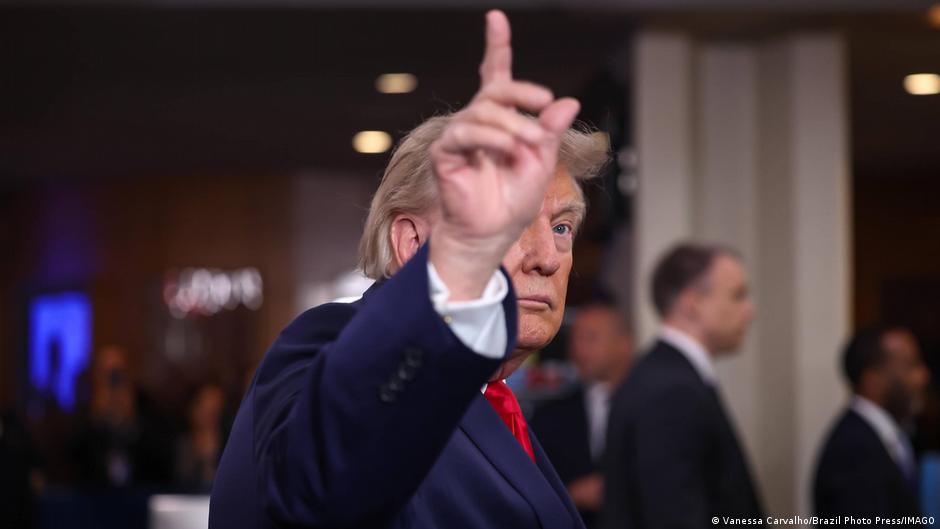
U.S. President Donald Trump said American and Iranian officials held a "very productive" meeting in New York on Tuesday, September 22, on the sidelines of the 81st session of the United Nations General Assembly, marking the first such contact in several months. The talks, conducted through intermediaries, lasted about three hours, according to Trump.
The development gives Wall Street a fresh geopolitical variable to assess across energy, shipping, defense and broader risk assets. Investors have been alert to any signal that tensions around Iran and the Strait of Hormuz could either ease or intensify, given the potential implications for oil flows, tanker routes, refining margins and inflation expectations. The reported talks came only hours after Trump used his U.N. address to threaten Iran with destruction, underscoring the volatility surrounding any market interpretation of the diplomacy.
On the U.S. side, Trump special envoys Steve Witkoff and Jared Kushner took part in the negotiations. Iran was represented by Foreign Minister Abbas Araghchi. The New York Times reported that Qatar and Pakistan mediated the meeting.
"A round of discussions was successfully completed, which we hope will prove constructive and promising. The mediators will continue their work," Witkoff said in a post on X.
Witkoff said the sides held lengthy talks with the Iranian delegation on the sidelines of the General Assembly, with representatives moving between the parties throughout the day. Trump, during a meeting with Gulf leaders at the U.N., also said there was "great momentum" toward reaching an agreement with Iran, according to AFP.
Energy and Shipping Shares Face a Fresh Geopolitical Read-Through
For equity markets, the central issue is not only whether talks resume, but whether they change perceived risks around the Strait of Hormuz. Iranian state media said Tehran informed Washington of its conditions for the resumption of shipping through the strait. Those conditions included an immediate end to what Iran described as a U.S. maritime blockade, the unfreezing of all Iranian assets frozen under sanctions, and an end to any military action.
Those demands set up a potentially material watch point for investors in oil producers, refiners, tanker operators, marine insurers and companies exposed to global freight costs. A credible path toward restored shipping access would likely be scrutinized for its potential to reduce geopolitical risk premiums in crude and transportation markets. Conversely, any sign that the talks are stalling could reinforce demand for energy hedges and defensive positioning.
Specific stock reactions would depend on how traders price the probability of de-escalation versus renewed confrontation. Large integrated oil companies, exploration and production names, oilfield services providers and tanker-linked equities could see heightened attention as investors test whether diplomatic progress might alter assumptions on supply disruptions. Airlines, chemicals and other fuel-sensitive sectors may also remain in focus because lower perceived oil risk can affect margin expectations.
At the same time, defense contractors and security-related names could draw attention from investors assessing whether the rhetoric points to sustained regional risk. Trump’s earlier U.N. remarks were sharply confrontational. Speaking before heads of state and government, he said he faced a major choice: whether to conclude an agreement that would allow Iran to recover and become a much more powerful state, or whether to destroy the Islamic Republic quickly so it would no longer have a chance to kill people and destroy countries.
According to AFP, the Iranian delegation left the hall during Trump’s speech. That walkout, followed by reported indirect talks later the same day, gives markets a mixed signal: extreme public pressure paired with behind-the-scenes engagement.
Equity Research Lens: Watch the Policy Path, Not Just the Rhetoric
For analysts, the immediate research question is whether the meeting creates a path toward further negotiations or merely confirms that both sides are using intermediaries to manage a crisis. The article’s facts point to both possibilities. Trump characterized the meeting as productive, Witkoff described the round as successfully completed and mediators are expected to continue their work. Yet Iran’s listed conditions remain sweeping, and Trump’s public threat earlier in the day was severe.
That combination matters for sector rotation. If investors conclude that diplomacy is gaining traction, market leadership could shift away from crisis beneficiaries and toward cyclical groups that benefit from calmer energy prices and lower inflation pressure. If the rhetoric dominates the trading narrative, flows may instead favor oil-linked equities, defense stocks and other areas viewed as insulated from geopolitical stress.
Trading desks are likely to monitor follow-up comments from Washington, Tehran, Qatar and Pakistan, as well as any evidence that maritime conditions near the Strait of Hormuz are changing. Without concrete policy movement, the meeting may remain more important as a sentiment catalyst than as a fundamental earnings driver. Still, for markets already sensitive to interest rates, commodity prices and geopolitical risk, even indirect U.S.-Iran engagement can become a catalyst for repositioning.
The key takeaway for Wall Street is that the diplomatic channel appears open again after months without contact, but it is operating against a backdrop of unusually aggressive rhetoric. That leaves investors with a two-sided setup: potential relief for energy-sensitive sectors if talks advance, and renewed risk premiums if threats and conditions harden into confrontation.