Zelensky UN Speech Puts Russia Oil Risk Back in Focus for Wall Street
Ukraine’s president framed Russia’s oil sector and war financing as central pressure points, sharpening market attention on energy, defense and geopolitical risk.
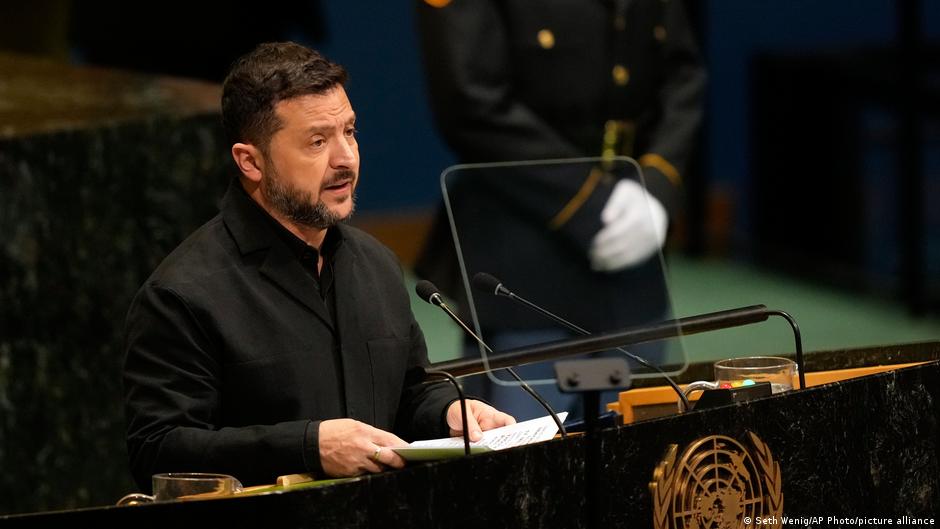
Ukrainian President Volodymyr Zelensky used his address to the United Nations General Assembly in New York on Wednesday, September 23, to put Russia’s war economy, and especially its oil industry, at the center of the geopolitical risk map watched by Wall Street.
In remarks aimed at diplomats but likely to resonate across energy and defense markets, Zelensky described Russian President Vladimir Putin as the “patient zero” from whom the idea of war spreads around the world. Wherever that idea travels, he said, it brings “only pain, instability, new risks and, of course, new crises.”
For investors, the speech added political weight to themes already driving sector rotation: sanctions risk, energy infrastructure vulnerability, defense spending, and the long-duration cost of the war in Ukraine. While Zelensky did not name individual companies, his focus on Russia’s oil-export capacity and military financing keeps crude markets, refiners, oilfield services, shipping, insurers, and European energy equities exposed to fresh headline risk.
“Our target is Russia’s ability to finance this war and prolong it,” Zelensky said.
Energy Stocks Face Renewed Geopolitical Scrutiny
Zelensky said that, for the first time in Russian history, the country’s “pride” — its oil industry — is working “on its last legs.” He called that a humiliating defeat for a country with a permanent seat on the UN Security Council and one that has long taken pride in its oil exports.
He stressed, however, that oil itself is not Ukraine’s objective, nor are gasoline, diesel fuel, refineries or ports. The objective, he said, is Russia’s ability to finance the war and extend it. That distinction matters for markets because it frames energy infrastructure not simply as a commodity issue, but as a channel of sovereign funding and military capacity.
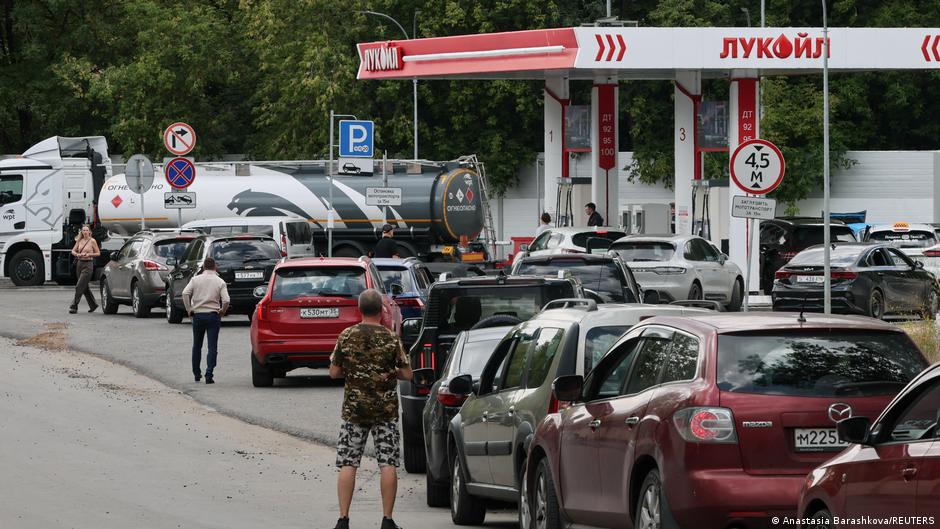
On Wall Street, the immediate read-through is likely to be a continuation of risk premiums in energy-sensitive assets rather than a single-stock trade. Integrated oil majors, refiners, tanker operators, European utilities, and energy-linked exchange-traded funds may remain sensitive to any indication that the conflict is moving deeper into energy infrastructure on either side. Trading desks have already treated the Russia-Ukraine war as a recurring volatility driver for oil, diesel, natural gas, shipping rates, and regional power prices.
Zelensky also warned that if Russia continues attacking Ukraine’s energy system and heating infrastructure, Kyiv would seek to make Russia’s “General Winter” switch sides this winter, a reference to the possibility of retaliatory strikes. That comment places winter energy resilience back into the investor conversation, particularly for European power markets and companies tied to heating fuel, grid repair, backup generation, and energy security.
Defense, AI and Risk Appetite
The Ukrainian leader also linked the battlefield to a broader technological and defense-market question. He warned that as soon as next year there is a real possibility that decisions on the battlefield could begin to be made by artificial intelligence, not only by humans. “We need peace before we reach that point,” he said.
That warning lands in a market environment where defense technology, drones, electronic warfare, cybersecurity and AI-enabled command systems have become increasingly important themes for equity research teams. Zelensky’s comments do not provide corporate guidance or procurement figures, but they underscore why analysts have been paying closer attention to defense primes, battlefield software, unmanned systems and dual-use AI companies.
The speech may also reinforce investor focus on European defense spending and U.S. defense names, especially as the war continues to shape NATO planning, weapons replenishment and security budgets. At the same time, the explicit warning about AI decision-making introduces a regulatory and ethical risk layer that could affect how investors assess the longer-term defense technology trade.
Zelensky said Russian forces lost 248,964 people on the battlefield in Ukraine from January through August. “Putin pays 248 people for every kilometer. Does anyone still consider him reasonable?” he asked. He added that citizens of another 47 countries are fighting on the side of the Russian army and are also dying on the battlefield.
Those figures, if accepted by investors as part of the broader battlefield picture, reinforce the market’s view that the war remains costly, attritional and difficult to resolve quickly. That can support demand for defensive equities and defense contractors while weighing on risk appetite in regions more directly exposed to the conflict.
UN Messaging Keeps Volatility in Play
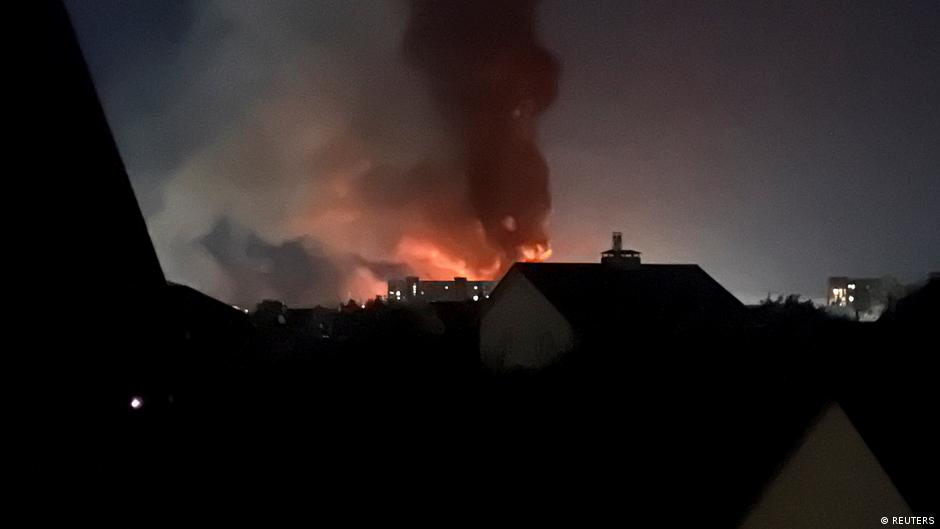
Zelensky’s remarks came against a backdrop of intensifying Russian strikes. According to an AFP analysis cited in the source report, the first 18 days of September saw more Russian strikes than any full month since the start of the war in Ukraine, with the exception of March 2022.
That statistic is likely to matter for traders because market reactions to the war have often been driven less by speeches themselves than by the possibility that rhetoric signals operational escalation. Energy infrastructure, ports, logistics corridors and defense supply chains remain areas where a change in the pace or targets of attacks can quickly alter pricing assumptions.
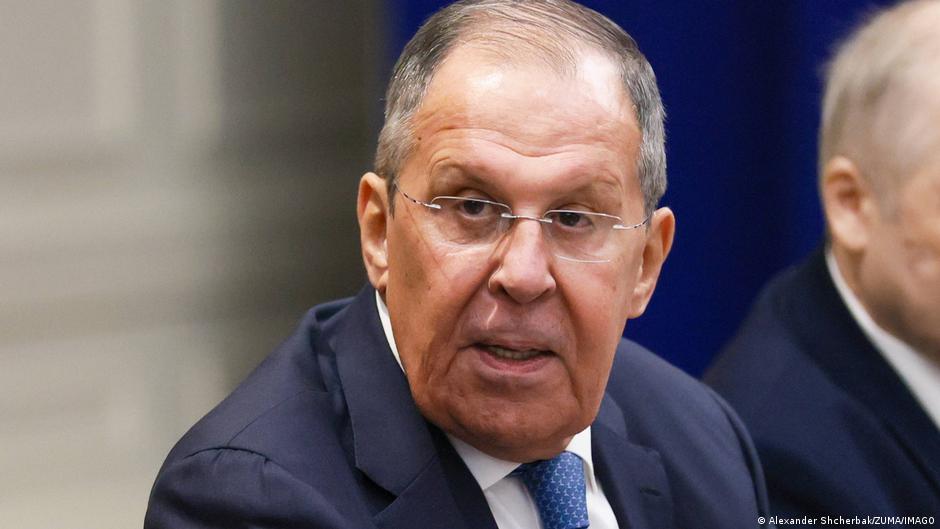
Russian Foreign Minister Sergei Lavrov, speaking at the UN Security Council, said there would be no “pause” in hostilities. For equity markets, that reduces the near-term probability of a peace-driven relief trade and keeps geopolitical risk embedded in energy, defense, emerging-market risk and European cyclicals.
The market impact is therefore less about one dramatic repricing than about persistence. Zelensky’s UN address reinforced the idea that Russia’s oil revenues, Ukraine’s energy infrastructure, and the battlefield’s technological evolution are all linked. That is the kind of linkage equity strategists watch closely when assessing sector rotation, trading volumes and the durability of risk premiums.
For Wall Street, the message is clear: the war remains a live macro variable. Energy shares may continue to trade on geopolitical headlines, defense stocks may retain support from long-term security spending expectations, and broader risk assets may struggle to ignore a conflict that both Kyiv and Moscow framed at the UN as far from paused.