Russian Northern Fleet Ship Deploys Near German Coast, Shifts Baltic Naval Dynamics
The Russian anti-submarine ship Admiral Levchenko has been relocated to the Baltic Sea, signaling strategic shifts impacting maritime security and energy transport routes.
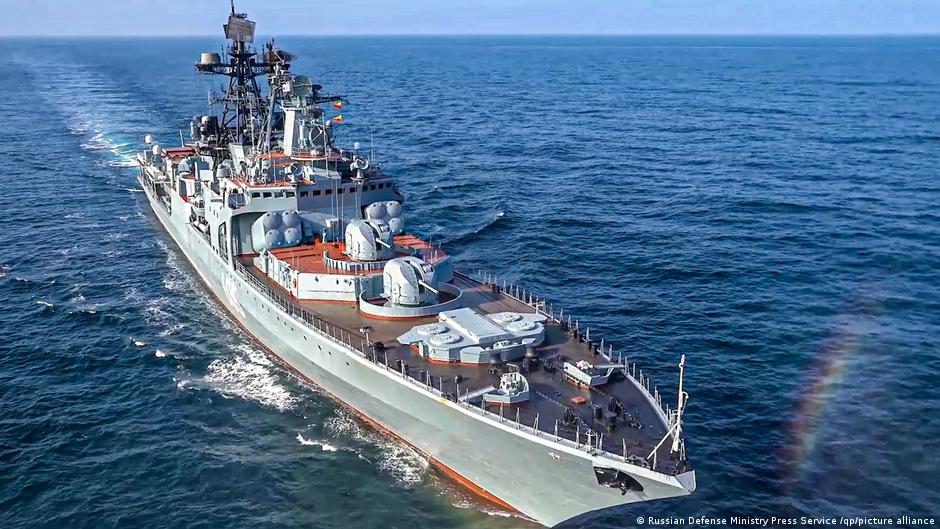
The Russian Navy has repositioned the large anti-submarine warship Admiral Levchenko from its usual station in the Barents Sea to the Baltic, near the German island of Fehmarn, according to reports from German maritime sources. This deployment is significant for maritime security in the Baltic region and has potential implications for energy supply routes and related market sectors.
Strategic Naval Movements and Maritime Security
The Admiral Levchenko, one of the largest vessels in Russia's Northern Fleet, was observed passing near Fehmarn on July 31. A German maritime portal, Marineforum Online, also published images of the ship north of the German city of Rostock on August 1. Notably, Russian authorities have not officially commented on the vessel’s redeployment or its specific objectives in the Baltic Sea.
"The Admiral Levchenko is believed to be replacing the Severomorsk, another Northern Fleet ship that previously patrolled the Fehmarn Belt, ensuring the security of Russia’s 'shadow fleet' oil tankers."
The Severomorsk withdrew from the region in late June after completing its long-range mission, leaving only the corvette Soobrazitelny from the Baltic Fleet in the area. The return of the larger anti-submarine ship suggests an increased Russian naval presence focused on protecting what Western sources describe as the "shadow fleet"—Russian tankers transporting crude oil amidst sanctions and international restrictions.
The increased military escort for these vessels is critical given the ongoing geopolitical tensions and the complex regulatory environment affecting Russian energy exports. The reinforced naval security may affect shipping routes, insurance costs, and consequently the energy sector stocks and commodities markets.
Implications for Market Sectors and Equity Research
Energy transportation is under heightened scrutiny as Russia adapts to sanctions by deploying naval assets to safeguard its maritime oil shipments. This shift could impact global oil supply chains and related equities. Traders and analysts may observe increased volatility in energy sector stocks, particularly those linked to shipping, logistics, and oil refining.
Furthermore, the use of naval assets to protect maritime movements reflects broader strategic maneuvers that may influence sector rotation strategies, favoring defense contractors and energy infrastructure firms. Trading volumes within these sectors might rise in response to geopolitical developments, making them focal points for equity research.
Additionally, the involvement of assets connected to Russian leadership, such as the superyacht Graceful—reportedly linked to the Kremlin and previously relocated from Germany to Kaliningrad—underscores the intertwining of political and economic factors in market analysis.
Investors and market watchers should monitor these developments closely as they unfold, given the potential for ripple effects across global commodity prices, shipping insurance premiums, and defense spending.