Russian Missile Strikes on Ukraine Intensify Amid Rising Geopolitical Tensions
Russian attacks on Ukrainian cities cause casualties and disrupt utilities, impacting market sentiment and defense sector stocks.

In the early hours of June 2, Russia launched a series of missile and drone strikes against multiple Ukrainian cities, resulting in fatalities, injuries, and significant infrastructure damage. This escalation follows recent remarks by Russian President Vladimir Putin, who described a Ukrainian attack on the annexed Luhansk region as marking a "new quality" of conflict, and Ukrainian President Volodymyr Zelenskyy's warnings about an impending major offensive.
Details of the Attacks and Human Toll
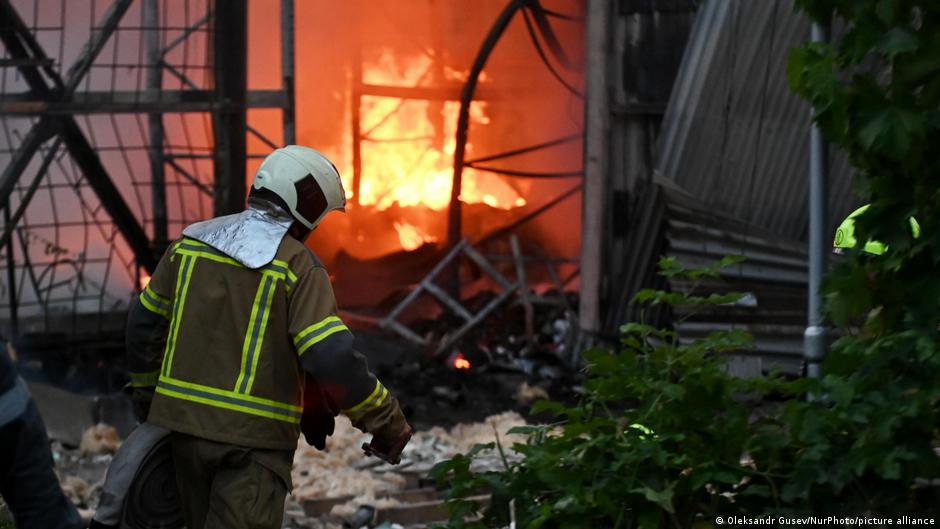
The Air Force of Ukraine reported that the Russian military deployed "Kalibr" cruise missiles launched from the Caspian Sea during the overnight assault. Vitali Klitschko, Mayor of Kyiv, confirmed that four people were killed and 51 wounded, with 35 hospitalized. The attacks caused electricity outages in three districts of the capital, while debris from a downed missile ignited a fire after striking a residential building in the Podilskyi district.
In Dnipro, a city in eastern Ukraine, five individuals—including a 73-year-old woman—were killed and 25 injured, according to regional military administration head Oleksandr Ganja. One missile struck a residential neighborhood, causing a fire. Meanwhile, in Kharkiv, six people were injured, including an 11-year-old girl, as confirmed by local authorities.
Ukrainian officials continue to document various missile and drone fragments landing across cities, and casualty data remains subject to update as assessments proceed.
Implications for Markets and Sector Rotation
"The recent military escalation poses increased risks to regional stability, influencing investor sentiment and boosting defense sector equities," said an equity analyst specializing in Eastern European markets.
The renewed intensity of hostilities is likely to impact market dynamics, particularly within defense and aerospace sectors. Shares of companies involved in missile defense systems and drone technology could experience upward momentum due to heightened demand prospects. Conversely, sectors with significant exposure to Ukrainian or Russian markets may face volatility amid geopolitical uncertainties.
Trading volumes surrounding affected stocks have shown elevated activity as investors adjust portfolios in response to the conflict's progression. Analysts suggest a cautious approach, recommending close monitoring of developments given the fluid situation and potential for rapid shifts in market sentiment.
Contextual Background
On June 1, President Putin characterized the Ukrainian strike on the city of Starobilsk in the occupied Luhansk region as a transformative event in the conflict, noting that the attack partially destroyed college buildings and, according to occupying authorities, resulted in 21 student deaths.
President Zelenskyy had earlier signaled the possibility of intensified Russian assaults on Ukrainian urban centers. This latest wave of strikes follows a substantial missile attack on Kyiv and surrounding areas on May 24, which included the use of the "Oreshnik" missile for the third time, causing two fatalities and 80 injuries.
As the conflict enters a more volatile phase, investors and market participants are urged to stay informed on developments, assess risks, and consider strategic sector allocations carefully.