Russian Missile Strikes on Kyiv Raise Market Concerns Over Security and Sector Impact
Renewed attacks on Kyiv and surrounding regions exacerbate Ukraine's defense challenges, influencing market dynamics and investor sentiment.

Russian forces launched a renewed missile assault targeting Kyiv and its surrounding oblasts on the night of August 5, causing casualties and infrastructure damage. The attack has escalated concerns over Ukraine's defense capacity and is creating ripples across financial markets, particularly in defense, energy, and regional security sectors.
Details of the Attack and Immediate Implications
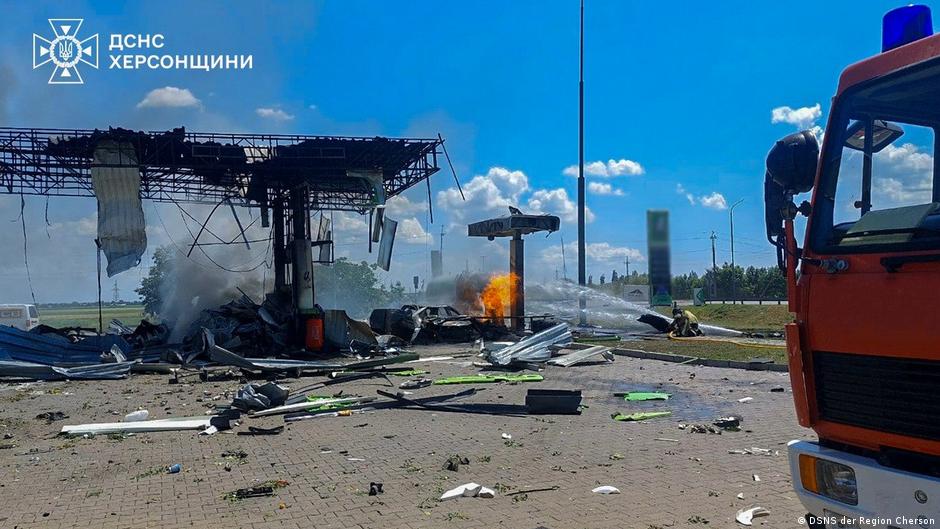
The Russian military employed ballistic missiles, including an Iskander-M launched from Russia's Rostov region, and a swarm of attack drones to hit multiple locations across Ukraine. Kyiv saw fires breaking out and damage to non-residential buildings in districts including Obolon, Desnianskyi, and Holosiivskyi, with at least one private home destroyed, potentially trapping residents under debris.
Casualties reported include one death and at least 12 wounded in Kyiv, while the Kyiv region's Bucha, Brovary, and Fastiv districts sustained additional civilian injuries and fatalities. Fires and damage hit logistics and industrial facilities, signaling potential disruption to supply chains and regional economic activity.
"The persistent missile and drone attacks are straining Ukraine's missile defense capabilities due to shortages in Patriot interceptor missiles," highlighted Ukrainian officials.
Beyond Kyiv, missile and drone strikes also targeted southern and eastern oblasts such as Odesa, Zaporizhia, Dnipropetrovsk, Kharkiv, and Mykolaiv, signaling a broadening of the conflict zones.
Market Impact and Sector Rotation
These developments have significant implications for equity markets, especially on Wall Street where investors are closely monitoring geopolitical risks. Defense contractors supplying missile defense systems and related technologies are likely to see heightened interest as the conflict intensifies demands for advanced systems.
Sector rotation towards defense and cybersecurity stocks has been notable, with increased trading volumes in companies involved in missile production and air defense solutions. Conversely, market volatility has affected energy and commodity sectors, given the strategic importance of Ukraine in grain exports and energy transit routes.
Equity research firms are revising risk assessments for companies with exposure to Eastern European markets, while global supply chain concerns prompt portfolio reallocations. Investors are advised to watch closely for further escalations and their impact on market liquidity and sector performance.
In summary, the missile strikes and the indicated shortage of Patriot interceptors underscore a critical defense gap for Ukraine, which in turn drives market dynamics in defense equities and heightens geopolitical risk premiums across sectors.