Russian Missile Strikes Damage Kyiv’s Chernobyl Museum and Cultural Sites Amid Market Turmoil
Russian attacks on Kyiv damaged key cultural institutions, including the Chernobyl Museum, influencing investor sentiment and sector rotation on Wall Street.
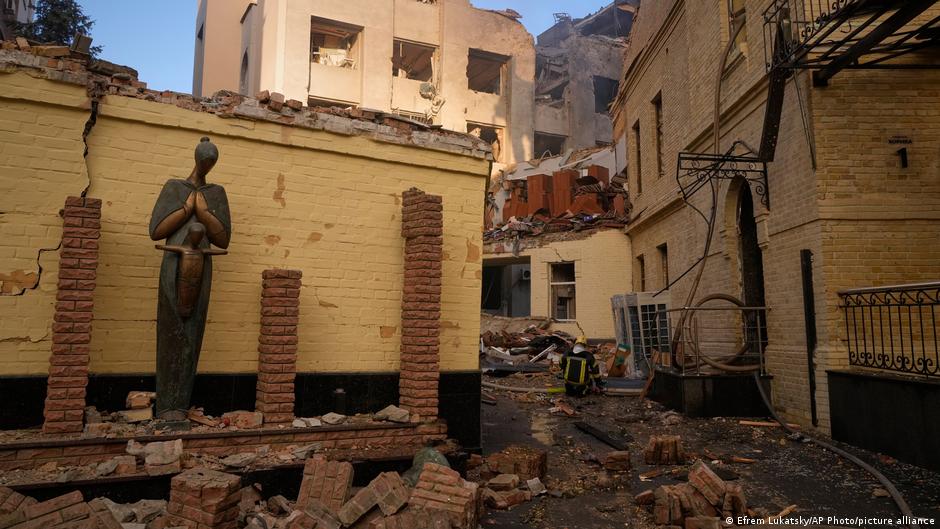
On May 24, Russian missile strikes inflicted significant damage on Kyiv's National Museum "Chernobyl," destroying approximately 40% of its exhibits. The attack also hit multiple cultural institutions, escalating geopolitical tensions and impacting global markets, particularly energy and defense sectors.
Market Impact and Sector Rotation Amid Escalating Conflict
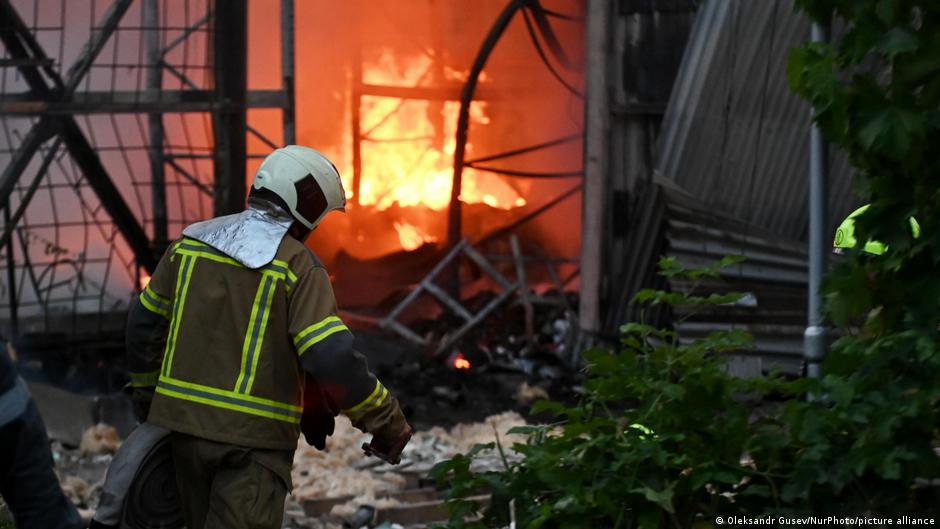
The assault came during the most extensive barrage on Kyiv since the start of the conflict, involving 90 missiles and 600 drones targeting Kyiv and Bila Tserkva in Kyiv Oblast. The strikes damaged not only the museum but also key institutions such as the National Art Museum, the National Philharmonic, and the Kyiv Opera.
These events have heightened risk aversion among investors, leading to increased volatility on Wall Street. The energy sector saw notable gains amid concerns over supply disruptions and the broader geopolitical landscape. Defense stocks, including major contractors, experienced elevated trading volumes as markets priced in potential escalations.
"Russian leader Vladimir Putin ‘still wins with his missiles against residential buildings,’ emphasizing ongoing conflict risks," stated Ukrainian President Volodymyr Zelensky.
The attack’s cultural devastation underscores the broader humanitarian and societal consequences of the conflict, reinforcing uncertainty in equity markets. Traders have been rotating out of growth stocks into more defensive sectors, reflecting growing caution.
Equity research firms have updated forecasts, advising clients to monitor geopolitical developments closely. Analysts highlight that prolonged conflict could sustain elevated energy prices and boost defense spending, while weighing risks to consumer discretionary sectors.
In response to these developments, market participants are expected to maintain a cautious stance. The Ukrainian government reported that emergency teams managed to save some valuable items from the museum, including artwork by Maria Prymachenko and the Ukrainian flag displayed at Chernobyl post-de-occupation in 2022.
Overall, the recent Russian attacks on cultural and civilian infrastructure in Kyiv have added a new layer of uncertainty to the market environment, necessitating careful analysis of sector-specific exposures and geopolitical risks.