Russian Military Strikes in Zaporizhzhia Trigger Power Outage and Fire Amid Rising Regional Tensions
Russian attacks in Zaporizhzhia cause partial blackout and fire, raising concerns about regional instability and potential market reactions.
Recent military strikes by Russian forces in the Ukrainian city of Zaporizhzhia have resulted in significant infrastructure damage, including a partial power outage and a fire, according to local officials. These developments come amid ongoing tensions in the region, with authorities warning of potential further attacks involving guided aerial bombs and ballistic missiles.
Impact of the Zaporizhzhia Attacks on Regional Stability and Market Sentiment
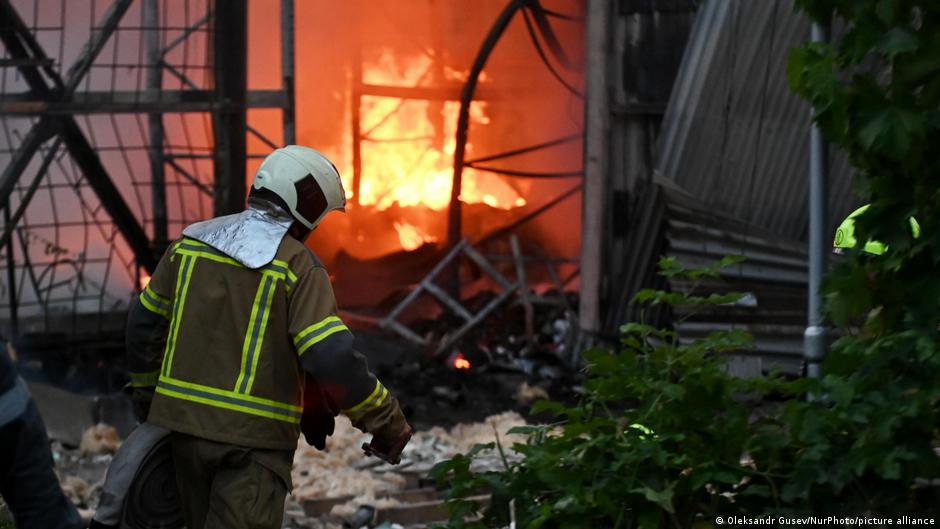
On the night of June 7, Ivan Fedorov, the head of the Zaporizhzhia regional military administration, reported that one district of the city was left partially without electricity following an attack by Russian armed forces. Emergency services have been dispatched to address the fire triggered by the strike and to work on restoring power to affected consumers.
The regional government had earlier issued warnings about the possible use of advanced aerial munitions and ballistic missile strikes in the area, heightening concerns over escalating military actions.
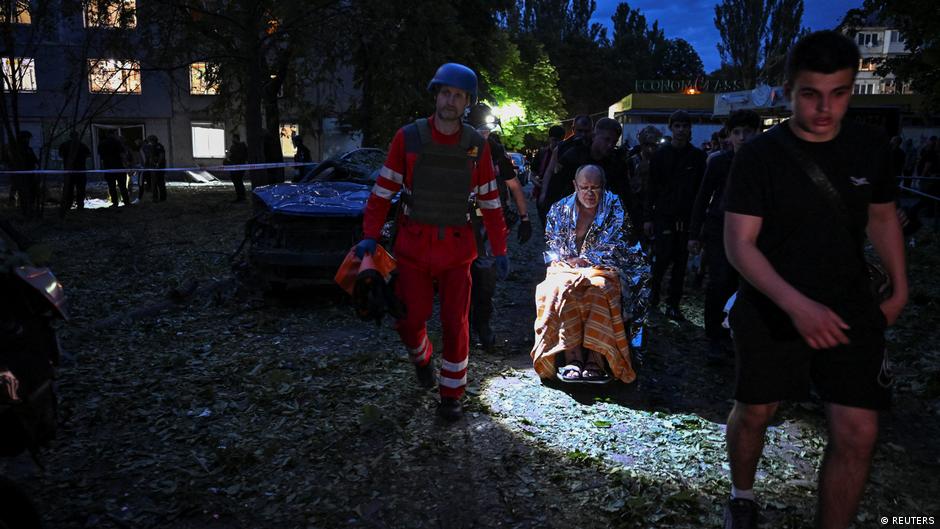
This escalation follows a previous drone attack on June 4, which targeted a residential neighborhood in Zaporizhzhia. That strike damaged a multi-story residential building and nearby vehicles, resulting in one fatality—a 44-year-old woman—and injuries to 16 others, some seriously wounded.
"The ongoing attacks underscore the fragile security environment in southeastern Ukraine, with direct implications for regional markets and investor confidence," military administrator Ivan Fedorov noted.
From a market perspective, such geopolitical developments often lead to increased volatility, especially in sectors sensitive to regional stability such as energy, defense, and commodities. The partial blackout and infrastructure damage could prompt concerns about supply chain disruptions and energy reliability in the region, potentially affecting energy stocks and regional indices.
Trading volumes in related sectors might see increased activity as investors react to news of escalating conflict and its potential economic impact. Equity research analysts are likely to monitor defense contractors and energy suppliers closely, adjusting forecasts to account for heightened geopolitical risk.
Sector rotation could also occur as investors seek to hedge against uncertainty by reallocating assets towards traditionally defensive sectors or commodities viewed as safe havens during periods of conflict.
Overall, the Zaporizhzhia strikes highlight the complex interplay between geopolitical risk and market dynamics, emphasizing the need for investors to stay informed and agile in volatile environments.