Russian Military Attacks Cause Civilian Casualties and Infrastructure Damage in Eastern Ukraine
Ongoing Russian strikes in Dnipropetrovsk, Kharkiv, and Sumy regions exacerbate conflict risks amid volatile market conditions.

On August 8, Russian military operations intensified across multiple eastern Ukrainian regions, resulting in civilian casualties and significant damage to infrastructure. These developments add layers of geopolitical risk that are influencing trading volumes and sector rotations on Wall Street, particularly within defense, energy, and transportation equities.
Military Escalation and Regional Impact
Local authorities in the Dnipropetrovsk region reported at least two civilian deaths and several injuries resulting from more than 40 attacks involving drones, artillery, and aerial bombs. The assaults damaged medical clinics, administrative offices, retail establishments, private residences, and vehicles including buses and trucks.
The city of Pavlohrad was heavily targeted, with nine injuries reported including four children ranging from three months to six years old. Hospitalization was necessary for two adults, one of whom remains in critical condition.
“The enemy attacked four districts more than 40 times, damaging critical civilian infrastructure and causing multiple casualties,” stated the regional military administration head.
In the Kharkiv region, official reports confirmed two fatalities due to drone strikes, including a 68-year-old man in Kupyansk district and a 51-year-old male in Vasylivka village. Additional attacks struck a city cemetery, damaging graves and a gas pipeline, though no injuries were reported in that incident.
Also in Kharkiv's Izium, a Russian-guided aerial bomb injured five people and damaged four apartment buildings and ten vehicles, ranging in victims' ages from 18 to 87 years old.
In the Sumy region, a locomotive on the Sumy-Kyiv route was attacked by drones; thanks to prompt evacuation of passengers, no injuries occurred, although one railcar was damaged. Firefighters faced repeated interruptions while combating fires due to ongoing strike threats.
Market Implications and Sector Dynamics
The escalation of military conflict in eastern Ukraine is shifting investor sentiment globally. Wall Street has witnessed increased volatility in sectors directly and indirectly impacted by the conflict.
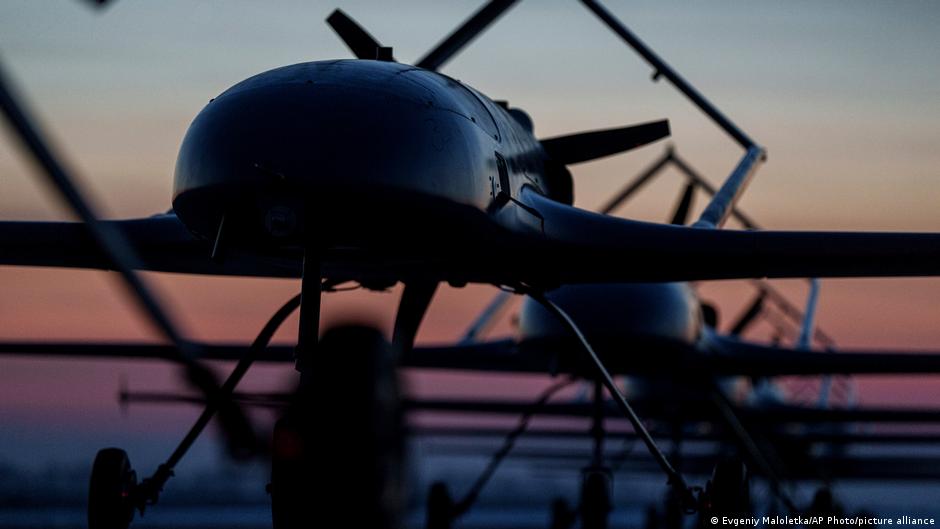
Defense Stocks: Shares of major defense contractors have experienced upticks as markets anticipate increased demand for military equipment and technology. The sustained drone and aerial attacks underscore the strategic importance of unmanned systems and air defense capabilities.
Energy Sector: With infrastructure damage reported and geopolitical tensions elevated, energy markets are closely monitoring potential supply disruptions. Traders are rotating into commodities and energy equities perceived as resilient or benefiting from shifts in energy sourcing.
Transportation and Logistics: The attack on railway infrastructure, despite limited physical damage, highlights vulnerabilities in regional supply chains. Transportation equities have seen cautious trading volumes as market participants reassess risk profiles.
Equity research analysts are revising outlooks to incorporate the heightened geopolitical risk premium. Trading volumes on affected sectors are increasing, reflecting both speculative positioning and defensive reallocations.
As conflict events unfold, Wall Street investors remain attentive to further developments in Ukraine and their potential to influence broader market sentiment and sector performance.