Russian Drone Attacks and Air Raids Impact Ukrainian Regions Amid Rising Geopolitical Tensions
Multiple drone incursions and missile threats disrupt Ukrainian airspace, influencing market sentiment and defense sector stocks.
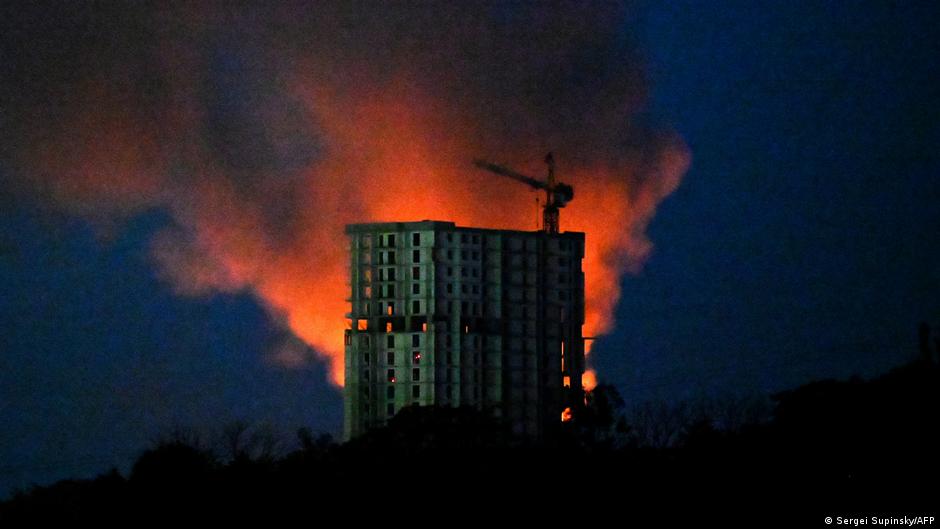
On the night of June 7, Ukrainian airspace experienced multiple alerts triggered by Russian unmanned aerial vehicles (UAVs) flying toward Kyiv and surrounding areas. Ukrainian Air Force reports confirmed drone flights originating from Chernihiv region toward Brovary in Kyiv oblast, as well as drone activity approaching Kyiv from the east.
In addition to drone incursions, Ukrainian forces detected threats of ballistic weapon launches originating from Bryansk, Russia, intensifying concerns over escalating military aggression.
Regional Air Defense and Strategic Targeting
Air raid warnings extended beyond Kyiv, with ongoing alerts in Chernihiv, Sumy, Kharkiv, and Zaporizhzhia regions early in the morning. Ukrainian digital ministry online maps corroborated the widespread nature of the alerts, indicating a coordinated multi-regional threat.
The Ukrainian Ministry of Defense highlighted Russian use of guided aerial bombs from tactical aviation targeting the Donetsk region, further indicating a diversified attack strategy encompassing drones and conventional aerial munitions.
“From early June, Moscow appears to be striking transport links between Kharkiv and Sumy, focusing on logistics corridors near Bohodukhiv, just 20 kilometers from the border,” noted defense analyst Sergey Beskrestnov.
Beskrestnov emphasized the strategic importance of these attacks on logistical infrastructure, which could have broader implications for military supply chains and civilian movement in eastern Ukraine.
Geopolitical Developments and Market Reactions
Against this backdrop, European leaders have stepped up diplomatic efforts. On June 7, German Chancellor Friedrich Merz, French President Emmanuel Macron, and UK Prime Minister Keir Starmer planned a summit in London with Ukrainian President Volodymyr Zelensky. The agenda centers on intensifying efforts to end the Russian invasion and assessing the prospects for renewed peace negotiations.
The ongoing conflict and escalating drone attacks have reverberated through global financial markets, particularly affecting stocks within the defense and aerospace sectors. Trading volumes for companies specializing in air defense systems, surveillance technologies, and advanced drone countermeasures saw noticeable upticks as investors reassessed risk and growth potential amid heightened geopolitical instability.
Meanwhile, broader sector rotation trends emerged, with investors shifting toward defensive equities and away from more vulnerable cyclical sectors due to increased market volatility linked to the conflict escalation.
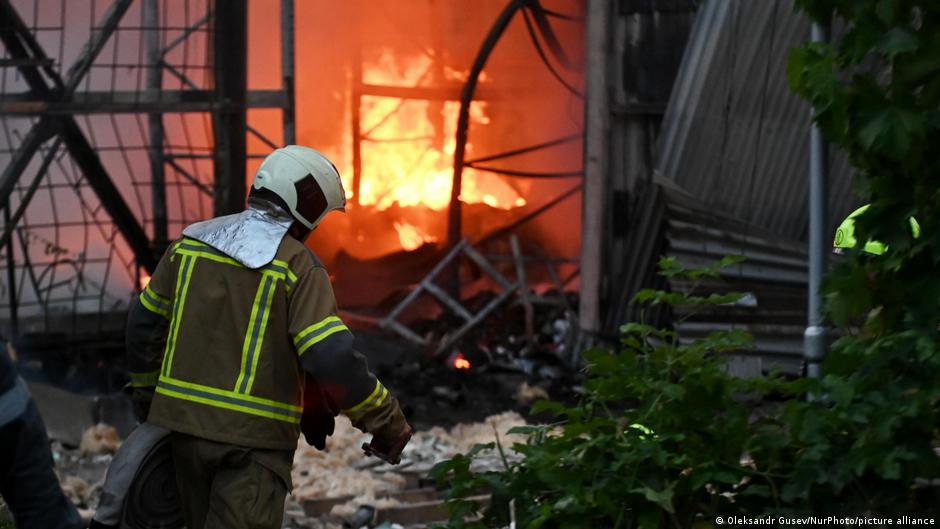
On June 6 alone, Russian forces reportedly launched 272 attack drones including Shahed, Gerbera, Italmas, Banderol loitering munitions, and Parodiya drone imitators. Ukrainian air defenses successfully intercepted 249 drones across northern, southern, and eastern regions by 8 a.m, yet 19 drones struck targets in 11 locations, causing material damage and raising ongoing security concerns.
Market watchers and equity research analysts caution that sustained hostilities and unpredictable conflict dynamics warrant close monitoring, as further escalation could prompt additional defense spending and influence defense contractor valuations.