Russian Attacks on Ukrainian Energy and Port Infrastructure Impact Market Sentiment
Recent strikes on Ukrainian port and energy assets, including Naftogaz facilities, influence sector rotations and trading volumes on Wall Street.
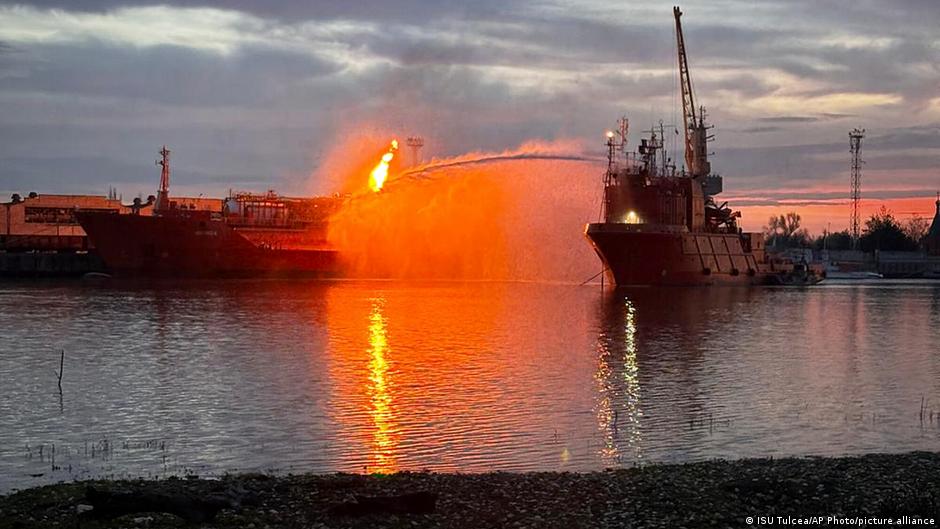
Recent Russian military strikes targeting Ukrainian port infrastructure and energy assets have added new dimensions to market dynamics, affecting specific stocks and sector rotations on Wall Street. The attacks involved ballistic missiles and drones hitting facilities in Izmail, Dnipropetrovsk, and Kharkiv, raising concerns over supply chain disruptions and energy security.
Impact on Energy and Logistics Sectors
In the southern Ukrainian city of Izmail, located in the Odessa region, port infrastructure suffered damage during an overnight Russian air raid on May 19. Local emergency services acted swiftly to mitigate the aftermath, and there were no reported casualties or major structural collapses. However, the disruption to port operations has raised alarms among traders monitoring logistics and shipping stocks.
"Almost all aerial weapons were intercepted over open areas outside populated zones," a regional administration statement noted, underscoring ongoing defensive efforts despite the attacks.
More critically, Naftogaz Ukraine's energy facilities in the Dnipropetrovsk region were subjected to near-continuous drone assaults on May 17 and 18, culminating in a strike by three ballistic missiles. CEO Serhiy Koretsky confirmed structural damage to the energy infrastructure, though staff safety was maintained.
These developments have reverberated through equity markets, with energy sector stocks experiencing volatility as investors reassess risk profiles tied to Eastern European energy supply chains. The persistent threat to Naftogaz assets, following similar attacks in the Poltava region last week, has underscored vulnerabilities in Ukraine’s critical infrastructure.
Wider Market Implications and Trading Volume Trends
Furthermore, drone strikes on civilian targets in Kharkiv’s Novobavarsky and Kholodnogorsky districts, resulting in fires and structural damage, have heightened geopolitical tensions. Market watchers on Wall Street note that these escalations contribute to fluctuations in trading volumes, particularly in sectors related to defense, energy, and shipping.
Bloomberg's earlier report from May 5 highlighted Ukraine's expanded drone operations targeting Russian territory, including major Ural cities. This strategic escalation extends the conflict’s reach, impacting investor sentiment globally and prompting shifts toward more defensive stock positions.
Analysts observe increased sector rotation, with funds moving away from vulnerable energy and logistics stocks toward cybersecurity and defense equities. Trading volumes in affected sectors have surged as equity research teams update risk assessments and guidance amid the evolving conflict.
Investors and portfolio managers are advised to closely monitor developments in Eastern Europe, as continued hostilities may influence global energy prices and logistics networks, with direct consequences for multinational corporations and commodity markets.