Russia Threatens Armenia with Gas Supply Suspension Amid EU Alignment
Moscow warns it may halt duty-free energy exports to Armenia, risking market volatility and sector rotation on Wall Street.
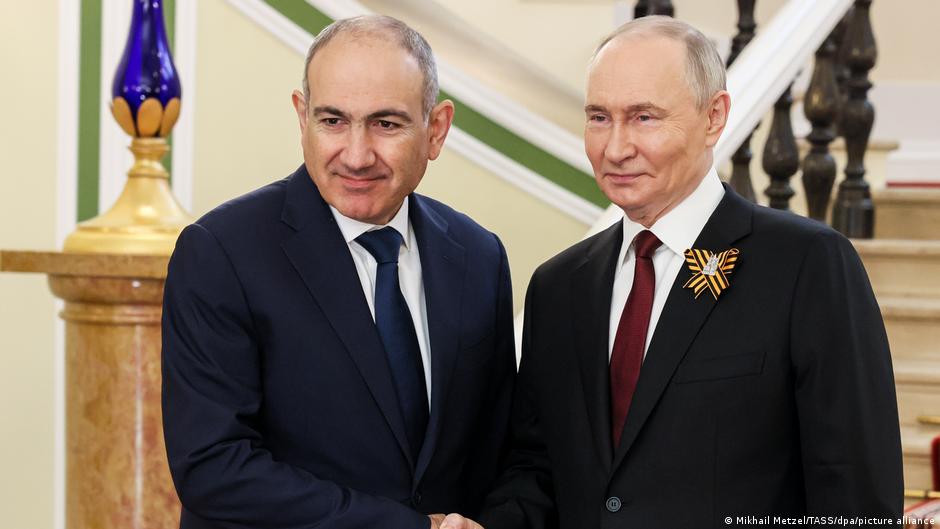
Russia has signaled potential disruption to Armenian energy imports amid Yerevan's growing rapprochement with the European Union, raising concerns over trade and investment ties between the two countries. This development could influence commodity-related equities and prompt sector rotation on Wall Street.
Potential Impact on Energy Supplies and Market Sectors
According to a letter from Russian Energy Minister Sergey Tsivilev to Armenia's Ministry of Territorial Administration and Infrastructure, Russia may suspend or terminate a longstanding agreement governing duty-free deliveries of natural gas, petroleum products, and uncut diamonds to Armenia. The agreement, in place since 2013, allowed Armenia to import these critical resources from Russia without export tariffs.
The letter emphasizes that Armenia's deepening engagement with the EU and its expressed intent to join the bloc jeopardizes the continuation of this preferential trade arrangement. Specifically, Moscow regards the preservation of these terms as "impossible" if Armenia maintains its current EU integration trajectory.
Russia provides Armenia with gas and oil volumes aligned with domestic consumption balances, prohibiting re-export to third countries. The potential cessation of these supplies could disrupt Armenian energy security, as the country is heavily dependent on Russian energy imports.
"The fundamental high level of Russian-Armenian trade and investment cooperation, based on bilateral treaties, is under threat due to Armenia's course toward EU integration," the letter states.
In financial terms, if the agreement is terminated, Armenia must continue honoring its debt obligations to Russia, including compensations, which could weigh on the nation's fiscal stability and creditworthiness.
For Wall Street investors, this geopolitical tension may prompt a cautious stance toward energy and materials stocks with exposure to Eurasian supply chains or commodity prices influenced by Russian-Armenian trade dynamics. Additionally, sectors linked to geopolitical risk, such as defense and energy infrastructure, might experience increased volatility.
Sector Rotation and Trading Volumes Outlook
Should these threats materialize, equities in the energy sector, particularly those dealing with natural gas and petroleum derivatives, may witness increased trading volumes and price fluctuations due to supply uncertainty. Investors might rotate funds into safer assets or sectors less affected by geopolitical tensions, such as technology or consumer staples.
Moreover, companies involved in Eurasian trade corridors could face operational challenges, potentially impacting their earnings forecasts and equity research assessments. Analysts may revise valuations to reflect elevated risks stemming from the evolving Russo-Armenian relationship.
Wall Street's reaction will likely hinge on the pace and scale of any Russian supply disruptions, with key indicators including commodity futures prices, currency movements, and shifts in trading volumes across related ETFs and equities.
Meanwhile, Russian legislative figures have hinted at additional measures, including revoking privileges for Armenian citizens in Russia, which could further strain bilateral ties and complicate the geopolitical landscape affecting markets.
Investors and equity research professionals are advised to monitor developments closely, given the potential for rapid shifts in trade policies and their ripple effects on global energy markets and stock valuations.