Russia-Taliban Military Cooperation Deal Signals Potential Sector Shifts in Defense Stocks
Russia’s new military-technical agreement with the Taliban may influence defense sector equities and trading volumes amid geopolitical realignment.
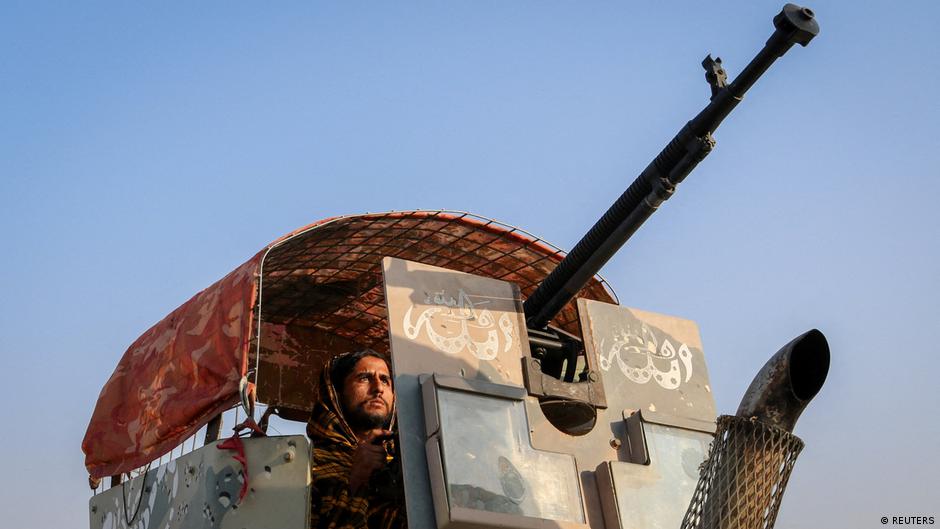
Russia has signed a military-technical cooperation agreement with the Taliban, the radical Islamist group currently governing Afghanistan. The deal, inked during the International Security Forum near Moscow, could open pathways for the transfer of Russian weaponry and military technology to the Taliban, marking a notable geopolitical development with potential consequences for the defense sector on global markets.
Implications for Defense Stocks and Market Dynamics
While the full details of the agreement remain undisclosed, such accords traditionally involve the exchange of arms, licenses, military technologies, and joint development projects. The announcement has attracted the attention of equity researchers and investors, particularly those focused on defense and aerospace stocks, as it may signal increased demand for Russian military equipment and technology exports in the near term.
“Although some analysts describe the pact as largely symbolic due to the lack of established infrastructure and logistical capacity for serious military collaboration, the political backing from Moscow could boost optimism around Russian defense manufacturers,” said a sector analyst.
The timing of the agreement follows a meeting between Russian Security Council Secretary Sergey Shoigu and Afghanistan’s Defense Minister Mohammad Yaqoob, a former Taliban military commissioner and son of the group’s founder. This meeting underscored Moscow’s strategic pivot towards expanding bilateral relations with Kabul, including calls for Western nations to unfreeze Afghan assets and finance the country's reconstruction.
From a market perspective, the announcement is likely to affect trading volumes and investor sentiment within Russian defense equities and related sectors. Stocks of companies engaged in military exports or technology development may experience increased volatility as investors reassess geopolitical risks and growth opportunities.
Sector Rotation and Broader Market Impact
Investors may also observe a rotation within the broader equity markets, with capital flowing from more traditional, low-volatility sectors into geopolitical-sensitive industries such as defense, energy, and commodities. The deal potentially signals a shift in Russia’s foreign policy that could influence trade sanctions, supply chains, and international partnerships, ultimately impacting global market dynamics.
Furthermore, equity research firms are likely to revise their outlooks on Russian defense companies, factoring in the prospects of new export markets and potential joint military developments. This could lead to a reevaluation of valuation multiples and investment ratings across the sector.
In conclusion, while the practical impact of Russia’s military agreement with the Taliban remains to be seen, the announcement already reverberates through the financial markets, prompting a reassessment of risk and opportunity within defense-related equities and possibly triggering broader sector rotations. Investors and analysts alike will continue to monitor developments closely as geopolitical complexities evolve.