Russia Plans Temporary Export Restrictions on Diesel and Jet Fuel Amid Refinery Disruptions
Russian government considers 1-2 month limits on diesel and aviation kerosene exports following drone attacks on key refineries.
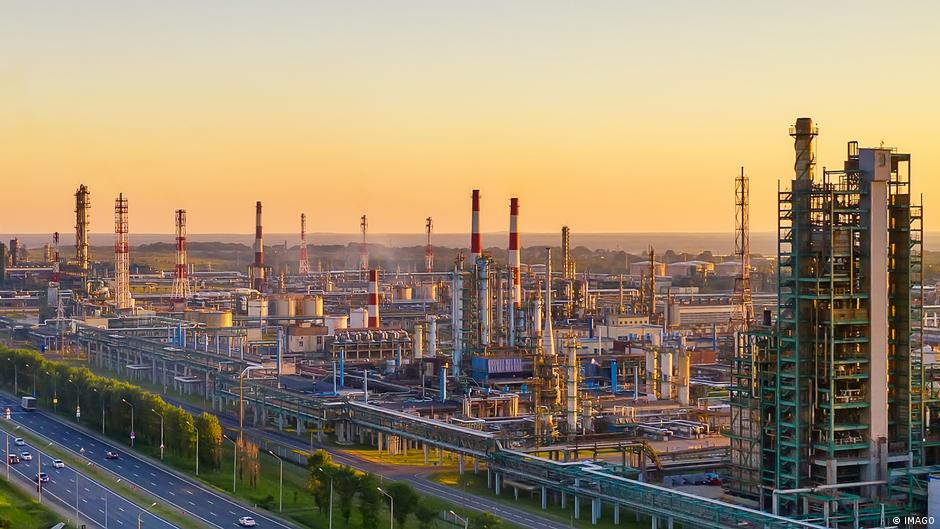
Russian authorities are preparing to impose temporary export restrictions on diesel fuel and aviation kerosene to stabilize domestic markets amid recent disruptions at major oil refineries. The anticipated measures could last one to two months, signaling potential supply tightening in these critical energy sectors.
Export Limitations and Market Impact
Vice Premier Alexander Novak recently convened a meeting to assess the state of the fuel market, emphasizing the need for continuous monitoring and coordinated federal response. The Ministry of Economic Development is reportedly finalizing approval of the export ban, expected to take effect shortly.
"It is necessary to continue constant monitoring to ensure coordination between federal agencies and industry players and to promptly develop additional response measures if required," Novak stated.
Oil companies have been advised to restrain hydrocarbon product exports. Notably, a full ban on gasoline exports has been in place since April 1, scheduled through July 31. Restrictions on diesel exports have been intermittently applied since September 2023. However, this is the first time aviation kerosene is targeted for export limitations.
Refinery Disruptions and Sector Challenges
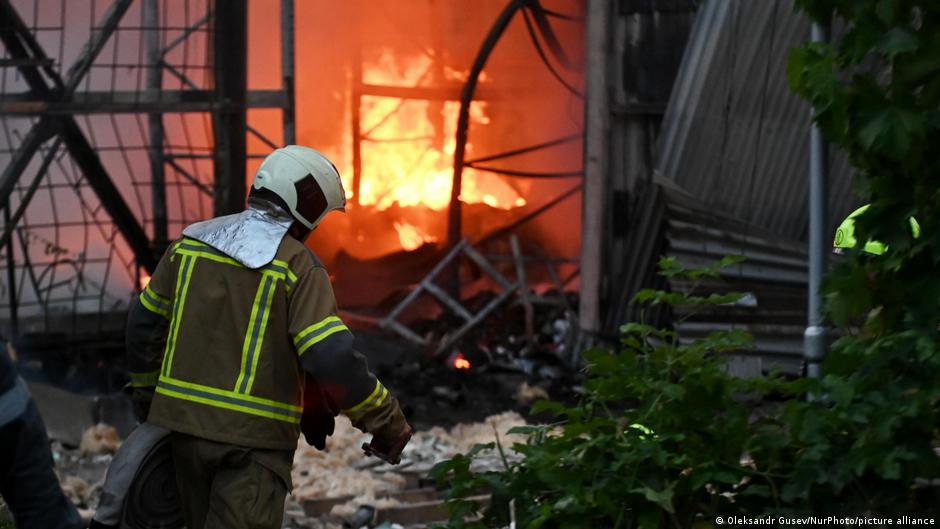
Recent drone strikes attributed to Ukrainian forces have severely impacted refinery operations in central Russia. According to industry sources, nearly all major refineries in the region have had to halt or reduce fuel production. The affected capacity exceeds 83 million tonnes annually, equating to approximately 238,000 tonnes daily. This represents about one quarter of Russia's total refining capacity, including over 30% of gasoline and roughly 25% of diesel output.
Historically, Russian refineries were spared attacks during the first year of the conflict in Ukraine. However, the frequency has escalated dramatically: 4 attacks were recorded in 2023, 34 in 2024, 88 in 2025, and 33 in the first five months of 2026 alone, surpassing previous annual counts.
One of the largest facilities, Lukoil’s Nizhny Novgorod refinery "NORSI," stopped over half its production capacity following a drone strike on May 20 in Kstovo, Nizhny Novgorod region.
Wall Street and Sector Rotation Outlook
The announcement of export restrictions and ongoing refinery disruptions could reverberate through energy markets and related equities. Companies with exposure to Russian hydrocarbon exports may face increased operational risks and revenue pressures. Conversely, global energy firms positioned to offset supply shortages might see increased trading volumes and investor interest.
Market analysts suggest that energy sector rotations could accelerate, with investors favoring integrated oil majors less reliant on Russian production. Equity research teams are closely monitoring impacts on refined product prices and refining margins, which could influence portfolio allocations.
The evolving landscape underscores the fragility of supply chains in conflict zones and the potential for geopolitical events to trigger significant shifts in commodity flows and market sentiment.
Investors and traders should remain vigilant for further updates from Russian regulatory bodies and refinery output reports, which will provide clearer signals on the duration and scale of export curbs.