Russia Authorizes Sale of Lower-Grade Fuels Until 2027 Amid Energy Supply Disruptions
Russian government permits production and sale of Euro-2, Euro-3, and Euro-4 fuels until mid-2027 as a temporary crisis response.
The Russian government has authorized the continued production and sale of lower-grade fuels classified as Euro-2, Euro-3, and Euro-4 until July 1, 2027. This decision was announced by the Ministry of Energy on August 5, marking a temporary and crisis-driven policy shift aimed at balancing fuel quality requirements with availability concerns.
Previously, regulations mandated the circulation of gasoline meeting Euro-5 standards, which feature lower sulfur content and higher environmental compliance. However, the government simultaneously rescinded a prior resolution that allowed the sale of Euro-5 gasoline with increased sulfur content through the end of 2026.
Fuel Sector Impact and Market Implications
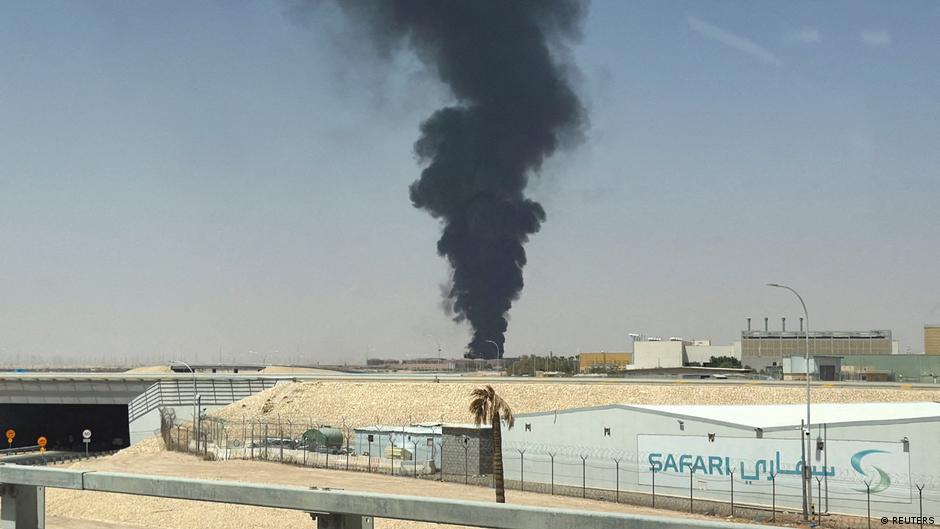
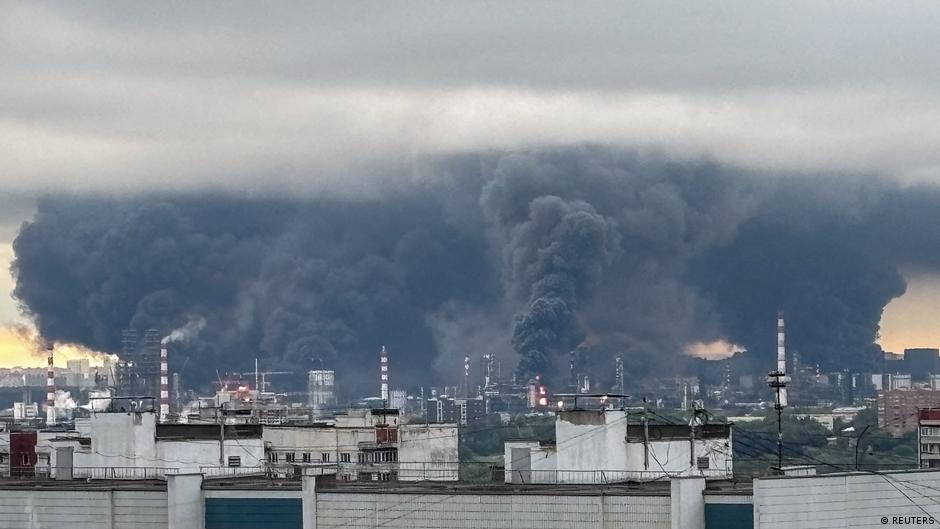
The authorization to sell lower ecological class fuels is a direct response to the ongoing fuel supply crisis exacerbated by sustained attacks by Ukrainian armed forces on Russian oil refineries and energy infrastructure. Critical damage to facilities, including Moscow's Kapotnya refinery—which supplies around 40% of the capital's fuel—has severely reduced production capacity. The refinery sustained two strikes in a single week in late May, rendering it inoperative through late 2026 or early 2027.
"This decision is temporary and part of anti-crisis measures to ensure fuel availability while maintaining some level of quality control," said the Ministry of Energy, emphasizing transparent labeling of fuel grades at gas stations.
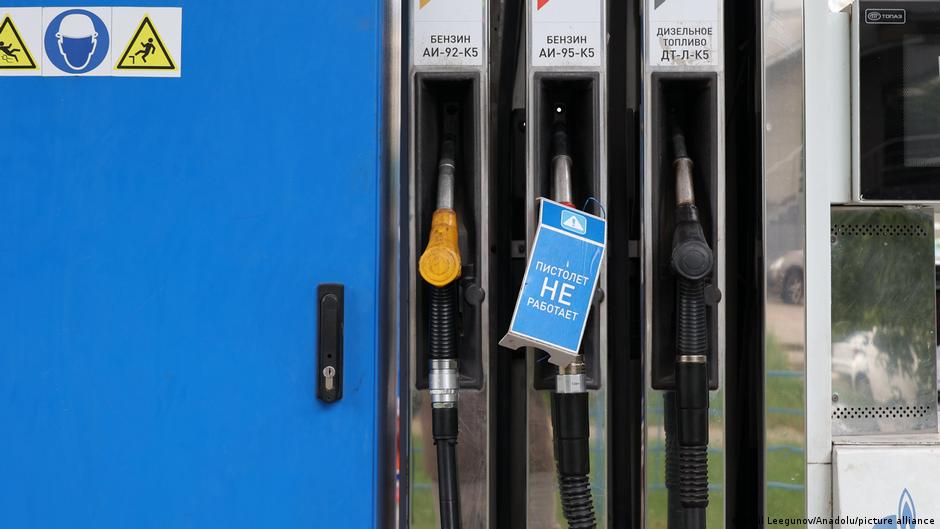
According to Reuters data, Russian gasoline production in June 2026 dropped by 25% compared to June 2025, declining to approximately 85,000 tons per day against a summer demand of 110,000 tons daily. Over 40 Russian regions have implemented fuel sales restrictions to manage shortages.
This regulatory relaxation allows refineries to utilize crude oil without deep processing, activating capacities that cannot meet higher environmental standards and simplifying production processes. Dmitry Prokofiev, Communications Director at NEFT Research, estimates that this could increase gasoline output by several hundred thousand tons per month. However, this increment is unlikely to fully offset the production shortfall caused by infrastructure damage.
From a Wall Street perspective, this sector adjustment may influence trading volumes and sector rotation dynamics, particularly impacting stocks of Russian energy producers and fuel distributors. Investors might anticipate volatility in related equities due to uncertainties over production recovery timelines and regulatory risks associated with environmental standards.
Furthermore, the use of lower-quality fuel fuels concerns over vehicular safety and long-term environmental impact, potentially affecting consumer demand and automotive sector stocks linked to fuel consumption patterns.