Paxtakor Football Club Reports 50 Billion UZS Loss in 2025, Impacting Sector Sentiment
Paxtakor's significant 2025 losses and growing tax debt highlight challenges for Uzbek sports sector and investor outlook.
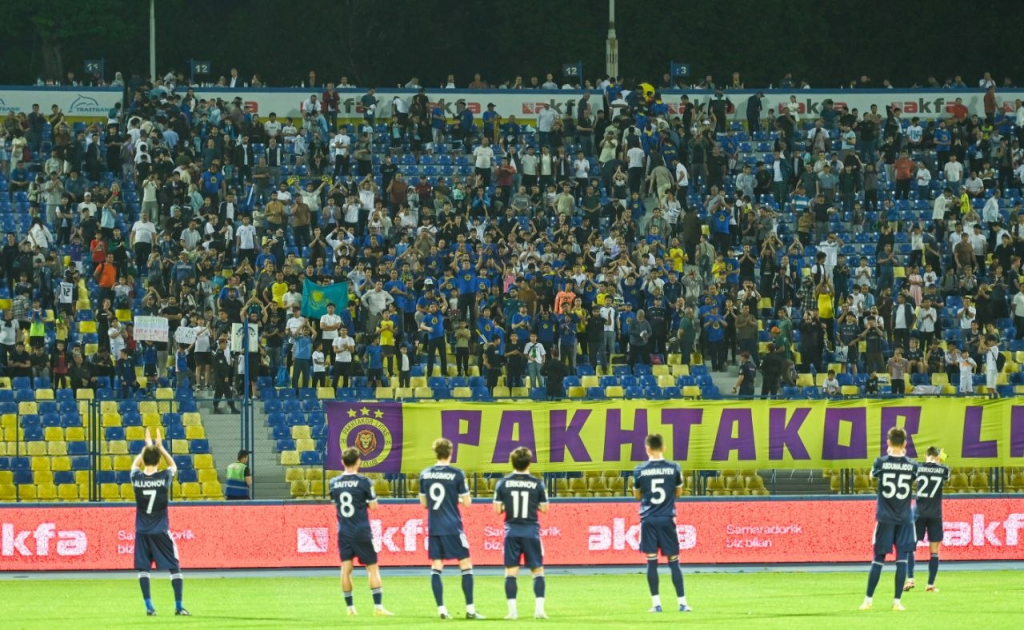
Paxtakor Football Club, one of Uzbekistan's most successful football teams, ended the year 2025 with a net loss exceeding 50 billion Uzbek soms, according to the club's recently published financial statements. This stark downturn comes after a profitable year in 2024 when the club posted a net gain of 36.9 billion soms.
Financial Overview and Market Implications
The 2025 financial report reveals that Paxtakor generated 15.3 billion soms in primary revenue, alongside other income streams totaling 63.6 billion soms. However, total expenditures soared to 128.9 billion soms, resulting in a net loss of 50.8 billion soms for the fiscal year. Additionally, the club incurred nearly 11 billion soms in tax payments but is burdened with a 17.1 billion soms tax debt.
“The club’s losses and tax liabilities underscore the increasing financial pressures facing sports entities in Uzbekistan, signaling potential volatility in related equity sectors.”
Paxtakor concluded the 2025 Uzbekistan Super League season in second place with 60 points, following their championship title in 2023. The club remains fully owned by the Tashkent city government, with Jahongir Ortiqxo‘jayev, the former mayor of Tashkent and a prominent entrepreneur, serving as chairman.
In early 2024, the State Asset Management Agency announced plans to put the club up for sale, aiming to attract private investment and reduce public sector financial burdens. However, no official updates have been provided since. Notably, Ortiqxo‘jayev has expressed intentions to develop the club but declined to pay even a nominal fee for privatization, indicating potential challenges in the sale process.
Sector Rotation and Investor Considerations
The Uzbek government plans to provide 35 billion soms in funding to each Super League participant in 2026, with a gradual reduction to 30 billion and 25 billion soms in 2027 and 2028, respectively. This phased cutback is designed to incentivize clubs to diversify revenue streams and develop sustainable business models independent of state support.
For investors and market analysts, Paxtakor’s financial difficulties may serve as a cautionary tale about the broader challenges facing sports clubs undergoing transitions from public to private ownership. Trading volumes in related sectors could be impacted as market participants reassess risks linked to state-backed sports entities with heavy financial obligations.
Equity research experts are likely to monitor how these developments influence sector rotation in Uzbek equities, especially with growing emphasis on privatization and fiscal discipline. The club’s financial health and governance reforms could become key indicators for investor confidence in the sports and entertainment industries, potentially affecting capital flows.
In conclusion, Paxtakor’s 2025 financial outcomes reflect the complexities of managing professional sports organizations amid shifting government policies and market expectations. Stakeholders should closely watch upcoming privatization moves and revenue diversification strategies as potential catalysts for market shifts.