Novorossiysk Drone Attack Puts Russian Port Exposure Back in Market Focus
A reported fire at a fuel oil terminal in Novorossiysk has renewed investor attention on Russian export flows, port risk and commodity-linked equities.
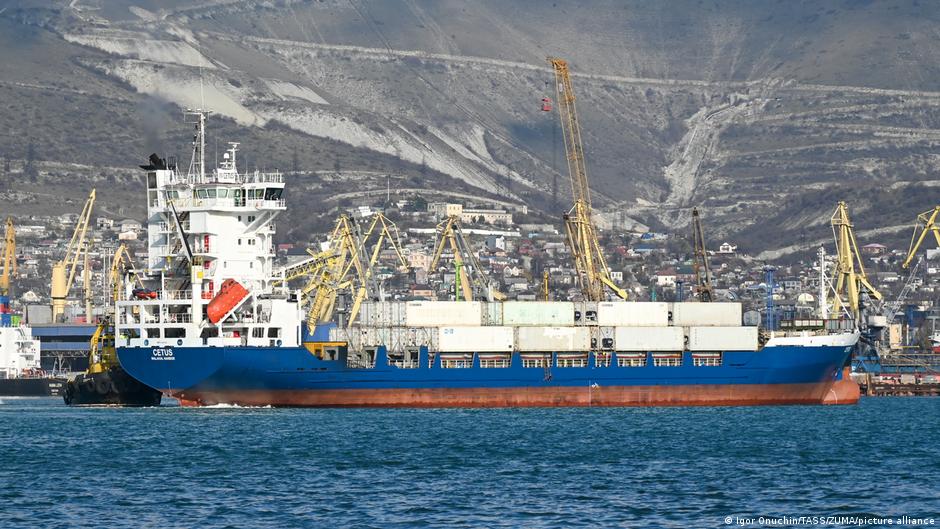
A drone attack on Novorossiysk, one of Russia’s most important Black Sea port cities, triggered a major fire overnight into Wednesday, September 9, according to local officials and OSINT analysis cited by ASTRA. For Wall Street, the incident adds another risk marker around Russian export infrastructure at a time when oil, grain and transport-linked equities remain sensitive to disruption headlines.
ASTRA, citing its OSINT analysis, reported that a fuel oil terminal was burning after strikes on the city. The outlet also reported a fire in a residential apartment building on Volgogradskaya Street. Novorossiysk Mayor Andrey Kravchenko said on Telegram that the city had been attacked using drones.
Kravchenko said debris from drones had fallen on the grounds of enterprises and near a residential building, adding that preliminary information indicated there were no casualties.
Emergency services were working to deal with the aftermath, according to the mayor. The Russian-language source did not identify the companies operating the affected enterprise sites, and it did not provide figures for damage, port closures, cargo delays or export losses following the latest attack.
Why Traders Watch Novorossiysk
Novorossiysk is not just a regional port story. It is described in the source as one of the largest ports in Europe and a key hub for Russia’s foreign trade. Through Novorossiysk, Russia ships oil, metals, container cargo and up to a third of all Russian grain exports, a role explained by the port’s proximity to the country’s main agricultural regions.
That profile makes any reported disruption relevant for several corners of the equity market. Energy investors watch Russian oil export infrastructure because supply uncertainty can move crude prices, refining margins and shares of oil producers and service companies. Agricultural traders monitor grain flows because Russian supply is a major factor in global wheat and feed markets. Shipping, logistics and insurance names can also react when port-risk headlines raise questions about Black Sea trade routes.
The source states that in August, an intensification of strikes on Novorossiysk caused noticeable disruptions in oil and grain shipments. That earlier context matters for markets because the latest fire was reported at a fuel oil terminal, one of the leading enterprises in the Novorossiysk transport hub within Russia’s largest port. Even without confirmed new shipment data, repeat attacks can shape risk premiums and investor positioning across commodity-sensitive sectors.
Equity Market Lens
For U.S. investors, the most immediate impact is likely to be assessed through commodity pricing rather than direct exposure to Russian assets, many of which remain constrained by sanctions and market-access limitations. Crude-linked equities, grain merchants, agricultural input companies, shipping firms and exchange-traded products tied to commodities may all be watched if traders decide the event raises the probability of tighter export flows.
The equity research view is likely to focus on whether the reported terminal fire creates a temporary operational issue or signals a more persistent threat to the Novorossiysk transport node. Analysts typically distinguish between headline risk and confirmed supply impairment. In this case, the source confirms reports of fires and drone debris but does not provide official confirmation of halted shipments, damaged berths, pipeline interruptions or export-volume changes after the overnight attack.
That distinction is important for sector rotation. A confirmed disruption to oil loading could support energy shares through higher crude prices, while raising cost pressure for transport and industrial companies that are sensitive to fuel. A meaningful grain-export interruption could support agricultural commodity prices and related trading houses, while pressuring food manufacturers and livestock-linked businesses exposed to input costs. Metals and container cargo exposure would depend on whether the broader port complex is affected, which the source does not quantify.
Trading volumes could increase in commodity-linked names if the market reads the Novorossiysk attack as part of a wider pattern of pressure on Black Sea infrastructure. The August disruptions mentioned in the source provide a recent reference point for traders looking at continuity risk. Still, absent specific new figures, the market response may remain concentrated in futures, options and liquid sector ETFs rather than in company-specific repricing.
The incident also reinforces a broader theme in market strategy: geopolitical infrastructure risk remains a live variable for global supply chains. Novorossiysk’s role across oil, grain, metals and container cargo means the port sits at the intersection of several inflation-sensitive sectors. Even when a single event does not immediately change export totals, it can affect hedging behavior, volatility assumptions and the cost of capital for companies exposed to routes viewed as vulnerable.
For now, investors are left with a limited but material fact pattern: Novorossiysk was attacked with drones, according to the mayor; drone debris reportedly fell on enterprise territory and near a residential building; preliminary information indicated no casualties; emergency services were responding; and ASTRA’s OSINT analysis reported a fire at a fuel oil terminal as well as a separate residential-building fire. The next trading catalyst will be whether official or market data show any renewed disruption in the port’s oil, grain or cargo flows.