NATO Joint Military Drills Near Suwalki Corridor Signal Heightened Security Concerns
Poland, Lithuania, and France conduct coordinated exercises near Suwalki Corridor amid Russian military buildup, impacting defense sector equities.
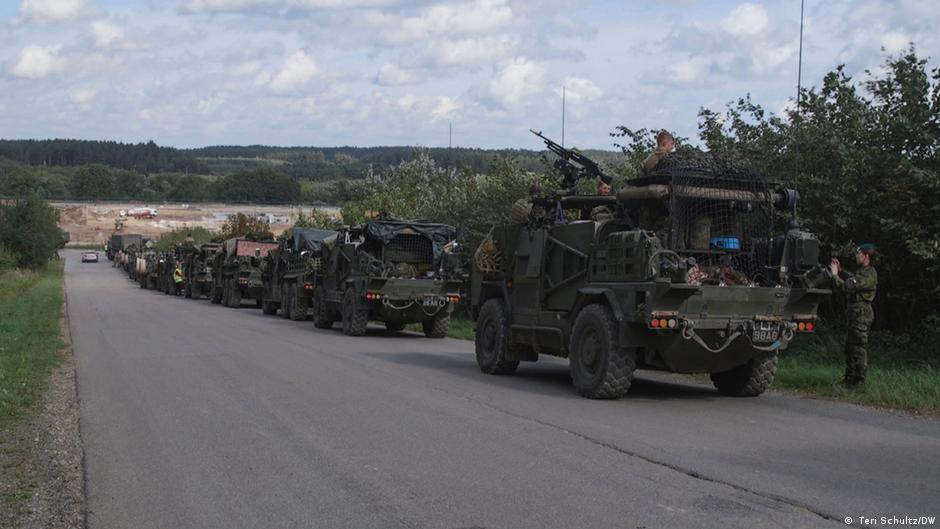
From June 16 to 26, Poland, Lithuania, and France are conducting joint military exercises codenamed "Gallant Boar 2026" near the strategically important Suwalki Corridor, located between the Kaliningrad exclave and Belarus. The maneuvers focus on infantry operations and the defense of this narrow land bridge, which connects the Baltic states to the rest of NATO and the European Union.
Strategic Importance and Market Implications
The Suwalki Corridor, spanning less than 100 kilometers, is a critical chokepoint for NATO logistics and reinforcement capabilities in the event of a conflict with Russia. NATO and EU officials fear that Russian attempts to seize control of this corridor could isolate Lithuania, Latvia, and Estonia from allied support.
As a result, military preparedness in the region has intensified, with Poland and Lithuania boosting their defense postures. Lithuania recently approved the construction of a new military training range near the corridor, projected to house up to 4,000 service members by 2028. NATO is also developing a new command structure designed to expedite troop deployments to Estonia and Latvia if tensions escalate.
"The cumulative indicators suggest a potential military peak in 2029," said Carsten Breuer, the German Bundeswehr inspector general, citing increased Russian troop deployments and armament efforts focused westward.
Satellite imagery released by Nordic media outlets confirms the expansion of Russian military bases along its western frontier, with defense analysts estimating up to 115,000 troops could be stationed near European borders post-Ukraine conflict. This ongoing militarization has implications for defense contractors, European security stocks, and commodities linked to military procurement.
Despite these developments, NATO's Supreme Allied Commander in Europe, General Christopher G. Cavoli, remains confident that Russia seeks to avoid direct confrontation with the alliance, acknowledging NATO's asymmetric advantages.
Market Reactions and Sector Rotation
Equity markets have shown increased volatility in sectors related to defense and security amid these geopolitical tensions. Shares of European defense contractors and military technology firms have experienced heightened trading volumes as investors weigh the likelihood of increased defense spending across NATO member states.
Sector rotation into defense equities has been complemented by cautious positioning in commodities such as rare earth elements and base metals critical to military manufacturing. Analysts recommend monitoring earnings reports from key defense firms and assessing government budget announcements for indications of sustained demand.
Overall, the joint military drills and Russia's apparent force buildup contribute to a complex geopolitical backdrop, driving cautious investor sentiment and influencing portfolio allocations within security-sensitive sectors.