NATO Confirms Russian Drone Crash in Romania, Raising Geopolitical Tensions Affecting Market Sentiment
Russian-origin drone crash in Romanian border city Galati confirmed by NATO, prompting calls for enhanced air defenses amid heightened regional security concerns.
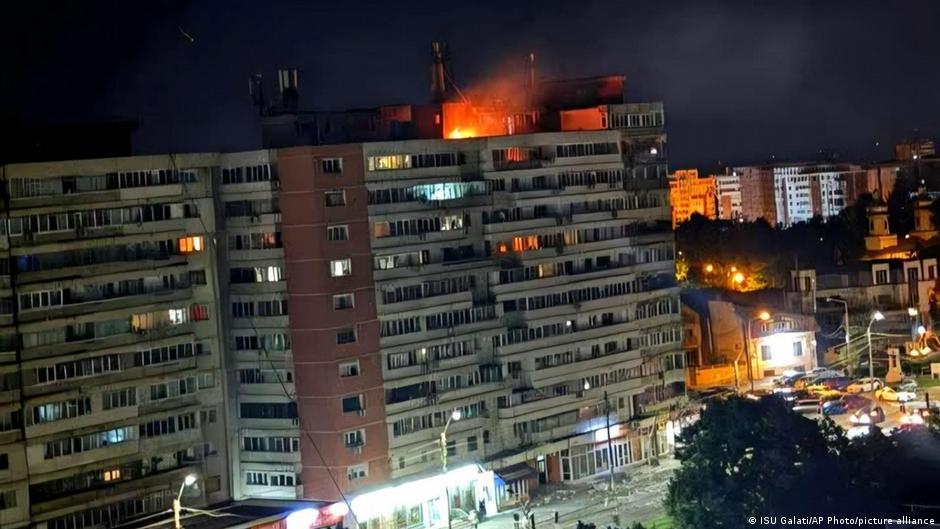
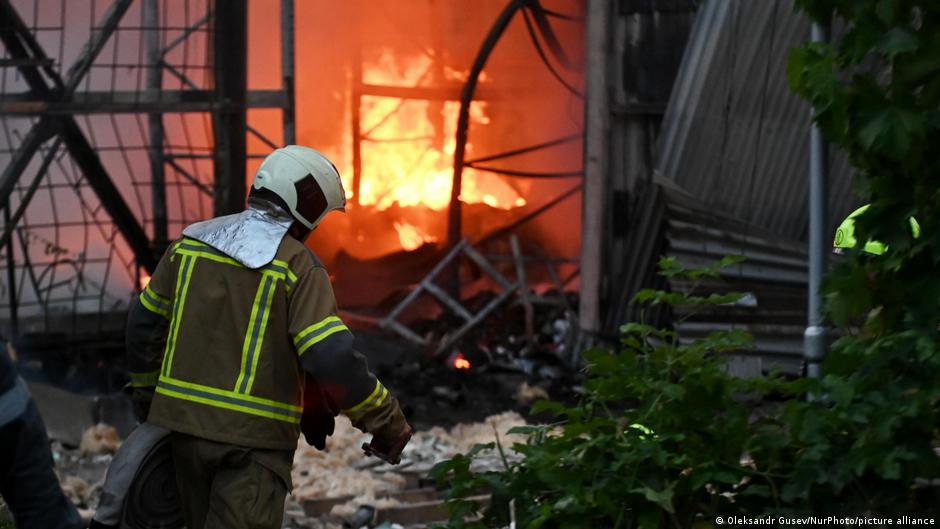
NATO has confirmed that the drone which crashed into a residential building in Romania's border city of Galati is of Russian origin, escalating geopolitical tensions with implications for Wall Street market dynamics. The incident, occurring on the night of May 29, caused a fire in a 10th-floor apartment and injured two people, drawing attention to the security risks in Eastern Europe adjacent to the ongoing conflict in Ukraine.
Geopolitical Developments and Market Implications
A spokesperson for NATO's Supreme Allied Commander Europe (SHAPE), Martin O'Donnell, affirmed the alliance's agreement with Moldova's capital Chisinau's assessment of the drone's provenance. Romanian officials, including Defense Minister Radu-Dinel Mirutze, cited serial numbers recovered from drone debris that unequivocally indicate Russian manufacture. The Romanian government has formally requested NATO to bolster its air defense capabilities in response to what it views as a violation of international law.
"The responsibility for the strike on the residential building in the border city clearly lies with Russia," stated Romanian President Nikusha Dan.
President Dan elaborated that the drone was shot down by Ukrainian air defenses before it veered toward Galati, likely after being damaged near the Ukrainian city of Reni. This incident marks an escalation in cross-border military incidents near NATO's eastern frontier, fueling investor concerns about stability in the region.
The diplomatic fallout includes Romania declaring the Russian consul in Constanta persona non grata and closing the consulate, signaling a deterioration in bilateral relations. Russian President Vladimir Putin has publicly questioned the drone's Russian origin pending forensic examination, underscoring conflicting narratives that contribute to market uncertainty.
Market Sector Rotation and Trading Volume Trends
Wall Street markets have reacted cautiously to the news, with increased volatility observed in defense stocks and sectors sensitive to geopolitical risks. Defense contractors and aerospace companies have seen heightened trading volumes as investors anticipate potential increases in military spending and NATO defense initiatives. Conversely, sectors such as European tourism and manufacturing have experienced sell-offs due to concerns over regional instability hampering economic activity.
Equity research analysts emphasize the need to monitor developments closely, noting that prolonged geopolitical tensions could trigger a rotation from growth to defensive sectors. Investors are advised to watch for further NATO responses and diplomatic escalations, which could influence broader market sentiment and capital flows.
In summary, the confirmed Russian drone incident in Romania has heightened geopolitical risks near NATO's eastern border, influencing sector-specific stock movements and trading volumes on Wall Street. As the situation develops, the investment community remains vigilant about potential impacts on market stability and sector performance.