NATO Confirms Ongoing U.S. Missile Deliveries to Ukraine Amid Eastern Europe Security Concerns
NATO assures uninterrupted delivery of U.S. air defense missiles to Ukraine, emphasizing sustained Western support and regional security implications for markets.
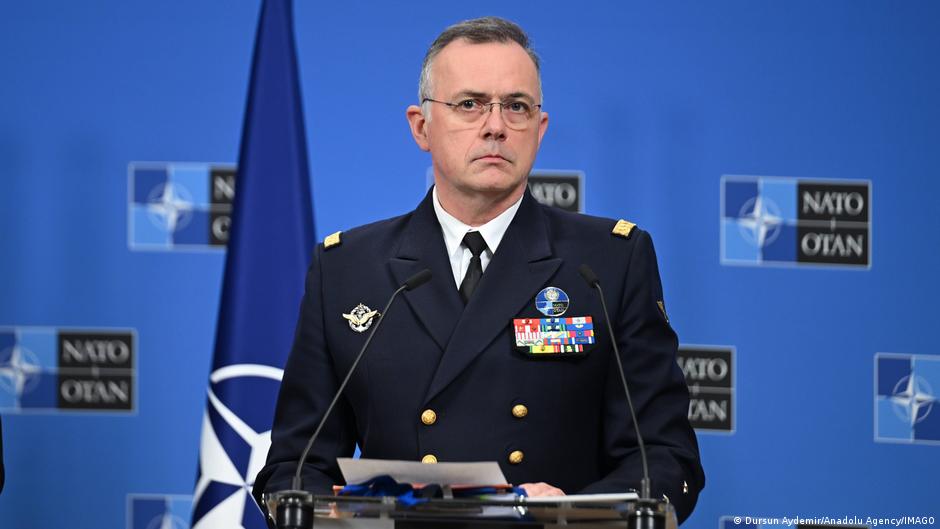
NATO has reaffirmed that military aid, including U.S.-supplied air defense missiles under the Priority Ukrainian Requirements List (PURL) program, continues to flow into Ukraine as part of ongoing efforts to bolster its defense capabilities. The statement comes amid accusations from Russia, which NATO’s European commander has dismissed as unfounded.
Ongoing Military Support and Strategic Impact
General Christopher G. Cavoli, NATO’s Supreme Allied Commander Europe (SACEUR), confirmed on May 19 that all weapons procured through PURL — a U.S.-led initiative to rapidly fund and supply American-made arms to Ukraine — are being delivered effectively. "All paid for by the allies, including interceptor missiles for air defense systems urgently needed by the Ukrainians," he stated during a press briefing following the Military Committee meeting in Brussels.
Despite the conflict entering its fifth year, Ukraine’s armed forces continue to show resilience and tactical innovation, especially in countering Russian and Iranian drones and missile threats, according to General Cavoli. He underscored the importance of steady and predictable Western support through programs like PURL to sustain Ukraine’s defense efforts.
The PURL program pools contributions from NATO countries into a common fund to prioritize and quickly provide weapon systems that are not substitutable with European alternatives. This funding mechanism ensures expedited procurement and delivery to frontline units, highlighting the strategic value of U.S. military manufacturing in the ongoing conflict.
From a market perspective, ongoing procurement under PURL sustains demand for major U.S. defense contractors specializing in missile systems, such as Raytheon Technologies and Lockheed Martin, whose stock performances may be influenced by sustained defense spending. Additionally, the European defense sector sees indirect effects as some countries expand ground forces and brigade capabilities to support NATO’s posture in Eastern Europe.
Regional Security Developments and Sector Rotation
General Cavoli also addressed broader strategic adjustments impacting NATO’s force posture, including the U.S. decision to redeploy approximately 5,000 troops from Europe. He clarified that despite troop reductions, NATO’s regional defense plans remain robust, with Baltic states and Poland significantly increasing ground combat power and multinational brigades expanding under allied leadership.
"Allies are enhancing their capabilities, allowing the United States to allocate resources to other global priorities," Cavoli explained, suggesting a potential shift in defense spending patterns that may influence equity research forecasts for defense equities and infrastructure-related stocks.
Moreover, NATO’s response to incidents such as the mistaken incursion of a presumed Ukrainian drone into Estonian airspace underscores the alliance’s commitment to territorial defense and readiness. This operational vigilance may reassure markets about NATO’s stability in the region despite escalating geopolitical risks.
"If we wanted to allow drones to cross Baltic airspace to reach Russia, we would not shoot them down," remarked General Cavoli, underscoring NATO’s deterrence posture.
Amid Russian claims accusing Latvia of facilitating Ukrainian drone strikes on Russian territory, NATO dismissed these allegations as disinformation, emphasizing that such threats do not align with NATO’s defensive mandate. This ongoing geopolitical tension contributes to volatility in Eastern European markets and influences sector rotation towards defense and security assets.
Market Outlook and Trading Volumes
Given the continuation of U.S. and NATO arms deliveries through PURL and the strategic repositioning of forces in Europe, equity analysts anticipate sustained investor interest in defense stocks with exposure to missile systems, aerospace technology, and cybersecurity. Trading volumes in these sectors have shown increased activity correlating with defense contract announcements and geopolitical developments.
Investors are also monitoring how the expansion of NATO ground forces in the Baltics and Poland may affect procurement cycles and infrastructure spending within the alliance, potentially benefiting European defense manufacturers and logistics providers.
Overall, the NATO confirmation of uninterrupted missile shipments to Ukraine and the alliance’s strategic posture adjustments are key factors shaping sector rotation into defense equities and influencing market dynamics amid heightened geopolitical risk in Eastern Europe.