NATO Concerns Over Russia’s Underwater Nuclear Missile Project Impact Market Sentiment
NATO intelligence on Russia’s secret underwater nuclear missile deployment raises geopolitical risks influencing defense stocks and sector rotation on Wall Street.
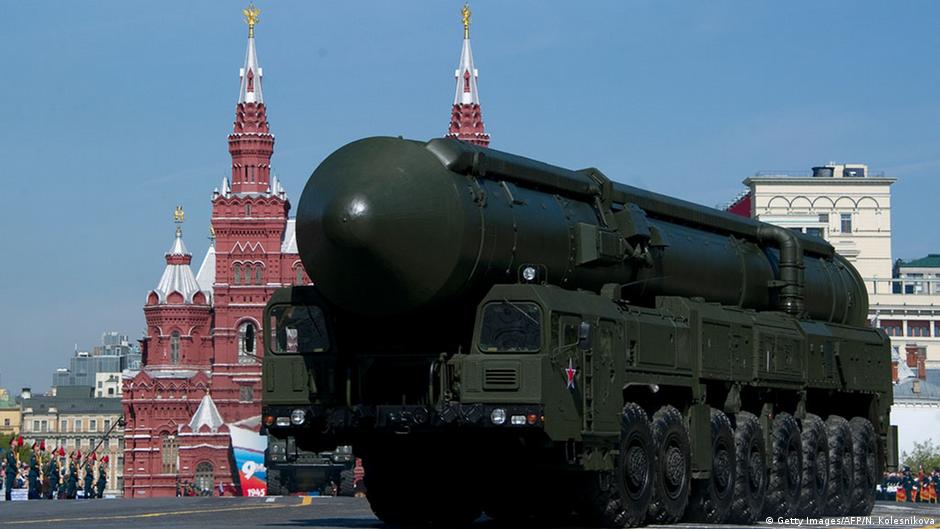
NATO intelligence has recently raised alarms regarding Russia’s development of underwater-launched ballistic missiles capable of carrying nuclear warheads, a move that could alter global strategic dynamics and affect investor confidence in related sectors. This revelation, based on a joint investigation by several German broadcasters, sheds light on a classified Russian military program codenamed "Skif".
Geopolitical Risks and Wall Street Market Response
The reported "Skif" system involves deploying modified ballistic missiles on the seabed with the capability to be launched remotely and remain undetectable. According to NATO sources, these missiles are a variant of the "Sineva" rocket, currently operational on Russian submarines but adapted for seabed deployment with ranges extending for thousands of kilometers.
Market analysts emphasize that such developments heighten geopolitical tensions, which often trigger sector rotations on Wall Street, particularly benefiting defense and aerospace equities while increasing volatility in broader markets. Investors typically react to increased geopolitical uncertainty by reallocating assets towards stocks perceived as safe havens or those likely to benefit from heightened defense spending.
"The introduction of underwater nuclear missile platforms could reshape strategic deterrence, compelling governments to respond with increased defense budgets, which may boost related equities," noted a defense sector analyst.
Trading volumes in defense-related stocks have shown noticeable upticks following the publication of these intelligence reports, reflecting heightened investor interest. Companies involved in missile technology, naval defense systems, and cybersecurity are drawing particular attention as the international community gauges the potential responses to Russia’s military advancements.
Technical and Strategic Implications
Experts highlight the considerable technical challenges Russia faces in deploying these systems, including maintaining operational capabilities in harsh underwater environments characterized by strong currents and sedimentation. However, successful deployment would allow Russia to reduce reliance on expensive submarine platforms while maintaining effective nuclear deterrence.
The strategic ambiguity surrounding the deployment of such weapons in territorial waters—as current treaties restrict nuclear arms placement on the seabed only in international waters—adds complexity to international arms control and nonproliferation efforts, potentially influencing future diplomatic negotiations.
For Wall Street, the uncertainty and potential for escalated military posturing could lead to increased demand for equities in defense contractors, cybersecurity firms, and companies specializing in advanced surveillance technologies. Conversely, sectors vulnerable to geopolitical risk such as emerging markets and high-growth tech stocks might experience temporary pullbacks.
Investors and equity researchers are closely monitoring developments, assessing the implications for sector allocation strategies and portfolio risk management. The ongoing evolution of Russia’s military capabilities underscores the persistent influence of geopolitical factors on market dynamics and sector performance.