Moldova Drone Incursions Add Geopolitical Risk to European Equities
Five drone incursions in one day underscore regional security risks, though no direct stock-price or trading-volume impact was reported.
Moldova reported five violations of its airspace by drones on Friday, October 16, including one aircraft that crashed and exploded, adding another geopolitical risk marker for investors monitoring European equities and the economic spillovers from Russia’s war against Ukraine.
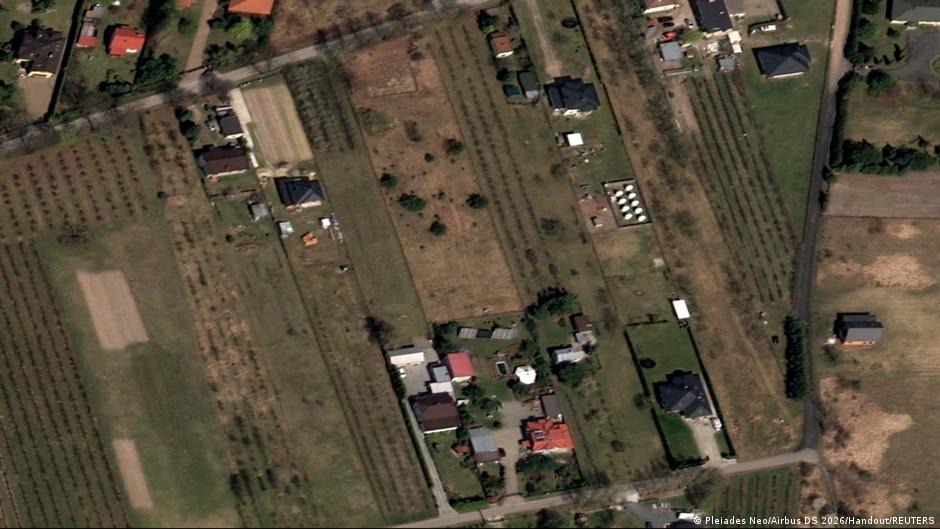
The Moldovan Defense Ministry said the crashed drone came down near the village of Novye Kodryany, about 50 kilometers from the Ukrainian border. According to the ministry, the unmanned aerial vehicle entered Moldovan airspace illegally at 4:22 p.m. local time. Authorities announced at 5:06 p.m. that it had fallen and exploded.
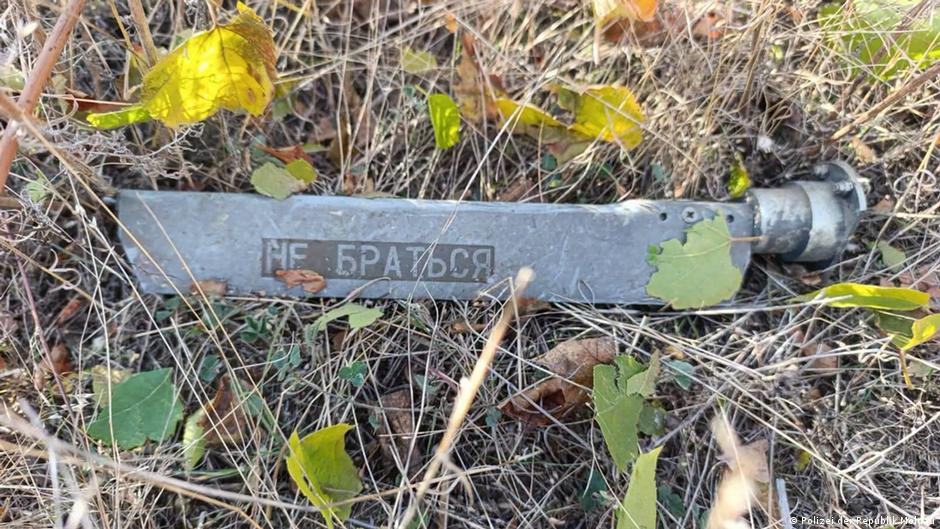
Moldovan police subsequently published a photograph of wreckage from the drone on the agency’s Facebook page. The source report did not identify the aircraft’s model, operator, payload or intended target, and it provided no information about casualties or damage resulting from the October 16 explosion.
Moldova’s Foreign Ministry said it “strongly condemned” the repeated violations of national airspace. The ministry said such incidents, among other consequences, endangered the safety of citizens. It called on Russia to halt its attacks on Ukraine immediately and comply with international law, including respect for Moldova’s sovereignty and territorial integrity.
Regional risk remains elevated for European markets
For Wall Street, the immediate significance lies less in a documented earnings shock than in the persistence of security incidents beyond Ukraine’s borders. Moldova is not a major component of widely followed US equity benchmarks, and the source material reported no reaction in any specific stock, sector index, exchange-traded fund or trading venue. It also supplied no trading-volume figures, analyst recommendations or changes to company forecasts.
Investors therefore lack a factual basis for attributing a move in named US-listed equities directly to the Moldovan incidents. Still, repeated airspace violations can enter the broader risk assessment applied to European assets. The relevant areas for market surveillance include defense and aerospace shares, airlines, insurers, energy producers and companies with logistics or supply-chain exposure in Eastern Europe.
Repeated incursions can affect the geopolitical risk premium even when an individual incident produces no disclosed corporate loss or measurable change in trading volume.
Any sector rotation linked to the news would need to be confirmed through actual price and volume data. A defensive shift could theoretically favor military suppliers or energy-security plays while weighing on travel and other economically sensitive businesses, but the source did not establish that such trading occurred. Equity researchers would likewise need more information about the drones, the prospect of escalation and potential policy responses before revising valuations or earnings assumptions.
Incidents have accelerated during October
Several hours before the drone crashed on October 16, Moldova’s Defense Ministry said the country’s airspace had been violated seven times since October 10 against the backdrop of Russian attacks on Ukraine. Six of those incidents involved drone flights: two occurred on October 15 and four during the night leading into October 16.
The seventh incident was the October 10 crash of a drone carrying explosives in Geamăna, a locality situated approximately 50 kilometers from the Ukrainian border. Together with the events reported on October 16, the figures point to a concentration of airspace violations during the month.
Since the beginning of the year, Moldova’s military authorities have recorded 64 airspace violations. Sixteen of them, including the October 16 incidents, occurred during October. Since 2022, when Russia began its full-scale war against Ukraine, the cumulative number of violations has reached 101.
An earlier episode occurred on the morning of October 3, when three missiles and two drones violated Moldovan airspace. All five fell inside the country. No deaths or injuries were reported. Moldova’s Defense Ministry said that incident resulted from Russia’s large-scale strikes against Ukraine.
Research focus turns to escalation and policy response
From an equity-research perspective, the most important variables are whether the incursions remain accidental spillovers from attacks on Ukraine or lead to a broader security response. Analysts would also watch for additional defense spending, airspace restrictions, transport disruption, higher insurance costs or damage to infrastructure. None of those financial consequences was announced in the source report.
Without reported market moves, the October 16 events should be treated as a geopolitical-risk development rather than a confirmed trading catalyst. The growing frequency of violations nevertheless gives portfolio managers another reason to monitor European sector performance, cross-border transportation and defense-policy signals. For now, there is no disclosed evidence tying the incident to a change in the outlook for a particular publicly traded company.