Middle East Conflict Escalation Spurs Market Volatility and Sector Rotation on Wall Street
Rising tensions between Israel and Lebanon trigger shifts in trading volumes and investor focus on defense and energy stocks.
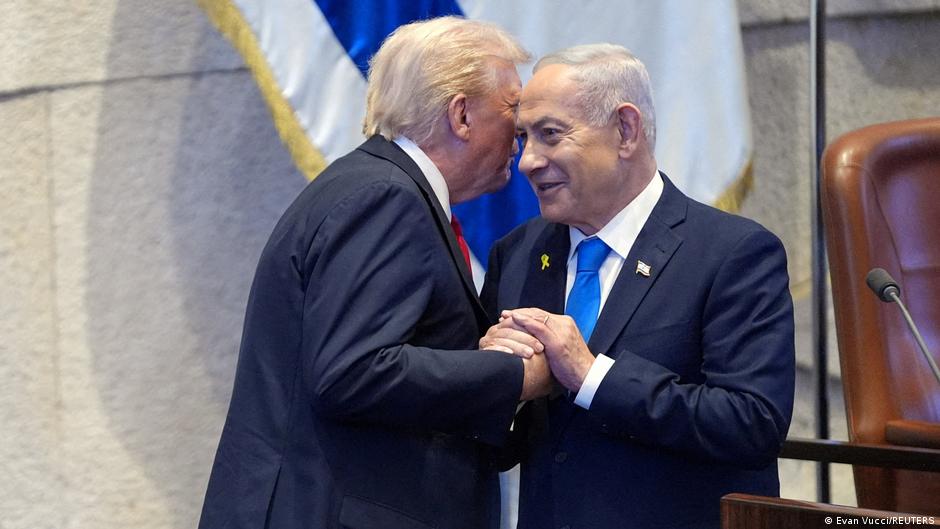
The recent escalation of hostilities in the Middle East, marked by Israeli strikes on Beirut and subsequent military actions in Lebanon, has stirred notable reactions across global financial markets. The conflict's intensification, coupled with diplomatic tensions involving key regional players, has triggered sector rotation and influenced equity trading volumes on Wall Street.
Impact on Market Sectors and Trading Activity
Following the Israeli Defense Forces' military operations targeting southern suburbs of Beirut and expanded ground campaigns in Lebanon, investors have shown increased interest in defense and energy sectors. Companies associated with defense technology, cybersecurity, and oil production have seen heightened trading volumes as uncertainty persists.
"Geopolitical risks in the Middle East traditionally lead to safe-haven buying and a reallocation into sectors perceived as more resilient," said an equity research analyst. "We are observing a rotation away from cyclical consumer stocks toward defense contractors and energy players, as market participants price in potential supply disruptions and increased government spending on security."
The conflict has also introduced volatility into global oil prices, influencing the energy sector's performance. Given the region's significant role in global oil supply, traders are closely monitoring developments for any impact on production and transport routes.
"The heightened tensions have reignited concerns over energy security and military expenditures, affecting stock valuations and trading dynamics," noted a market strategist.
Broader Market Implications and Equity Research Views
Investors are watching diplomatic exchanges closely, particularly the reported strong verbal admonishment by former U.S. President Donald Trump towards Israeli Prime Minister Benjamin Netanyahu regarding the military strikes and their impact on regional stability. The tensions between Israel, Lebanon, and Iran, including Iran's suspension of indirect talks with the U.S., have added layers of uncertainty that are reflected in equity market fluctuations.
Equity research teams recommend caution, highlighting the risks associated with prolonged conflict escalation, which could suppress investor sentiment broadly. However, they also suggest opportunities within certain defense and energy stocks positioned to benefit from increased government contracts and potential supply constraints.
Overall, Wall Street is navigating a complex geopolitical environment, balancing risk management with sector-specific investment strategies amid the evolving Middle East tensions.