Lukoil Refinery Halves Capacity After Ukrainian Drone Strike, Impacting Russian Oil Sector
Lukoil's Nizhny Novgorod refinery halts over half its processing capacity following drone attacks, signaling significant shifts in Russian oil production and market dynamics.
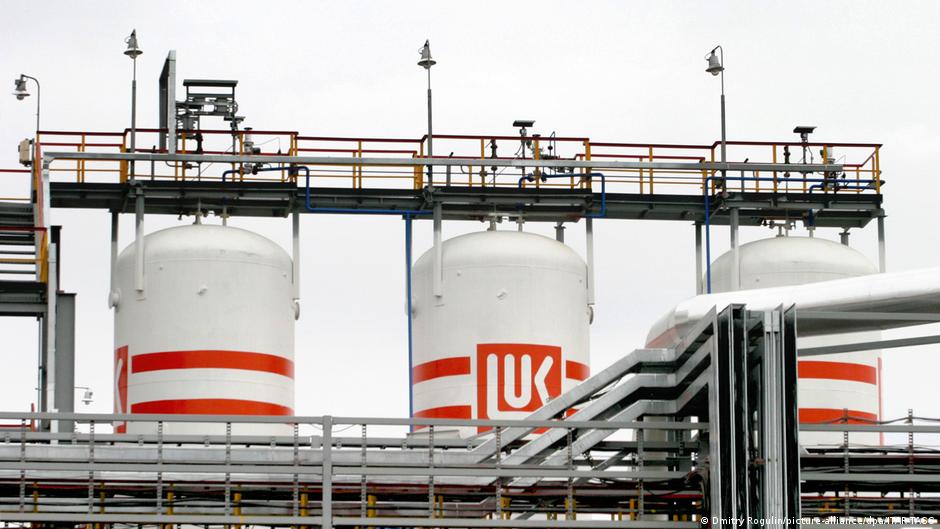
One of Russia's largest oil refineries, Nizhny Novgorodnefteorgsintez (NORIS), a key asset of Lukoil, has halted its primary crude refining unit after suffering a drone attack by Ukrainian forces on the night of May 20. Industry sources reported to Reuters that the main primary processing unit, AVT-6, responsible for 53% of the refinery's capacity, was taken offline, reducing the plant's throughput by approximately 25,700 tons per day.
Significant Impact on Russian Oil Refining Capacity
NORIS, located in Kstovo, Nizhny Novgorod region, ranks as Russia's fourth-largest refinery and the second-largest gasoline producer nationwide. Prior to the attack, it had an annual refining capacity of 16 million tons of crude, translating to around 320,000 barrels per day.
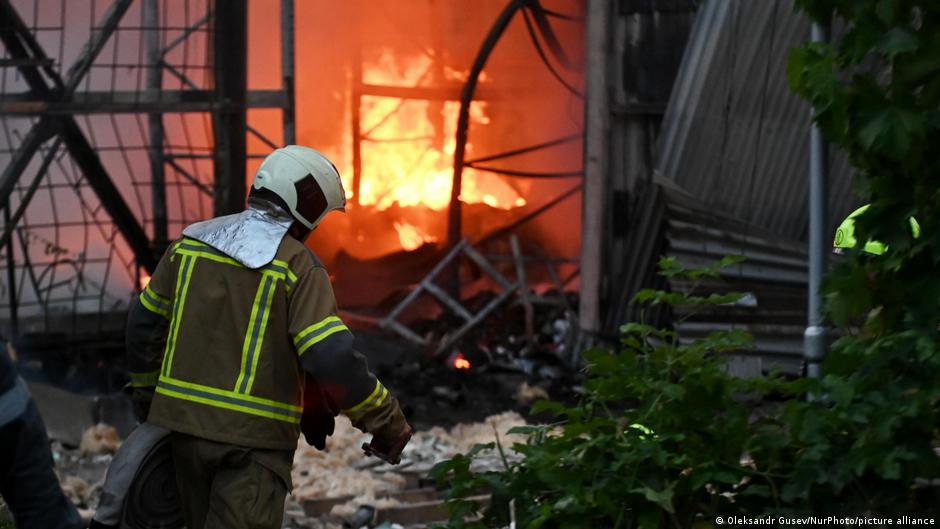
The shutdown follows a similar incident earlier in April when the refinery experienced damage due to an unmanned aerial vehicle attack, marking the second disruption within two months. Although local authorities have not officially confirmed the incident, media reports and open-source intelligence channels noted a fire at the refinery coinciding with the strike.
"The drone strike has resulted in the suspension of over half the plant’s capacity, underscoring the vulnerability of key Russian oil infrastructure amid ongoing conflict-related disruptions."
According to anonymous sources cited by Reuters, almost all major refineries in central Russia have been forced to reduce or suspend fuel production recently due to similar drone strikes. The cumulative refining capacity affected by these disruptions exceeds 83 million tons annually, equivalent to roughly 238,000 tons per day. This represents about one-quarter of Russia's total refining capacity, which includes over 30% of gasoline and approximately 25% of diesel fuel production.
Market Implications and Sector Rotation Potential
The strikes have added significant supply-side pressure to the Russian oil products market, likely impacting trading volumes and equity valuations of oil refining companies on Wall Street with exposure to the region. Investors may anticipate increased volatility in energy stocks, particularly those involved in midstream and downstream oil operations.
Equity analysts suggest that with a sizeable contraction in Russian refining throughput, alternative suppliers and sectors could experience a rotation of capital as market participants adjust to shifting supply fundamentals. The risk to refining infrastructure highlights geopolitical vulnerabilities that may influence longer-term market positioning and risk premiums in energy equities.