Kosovo's Ruling Self-Determination Party Wins Parliamentary Election, Impacting Regional Stability
The ruling Self-Determination party secures 43% of votes in Kosovo’s parliamentary election, highlighting political uncertainty and potential effects on regional markets.
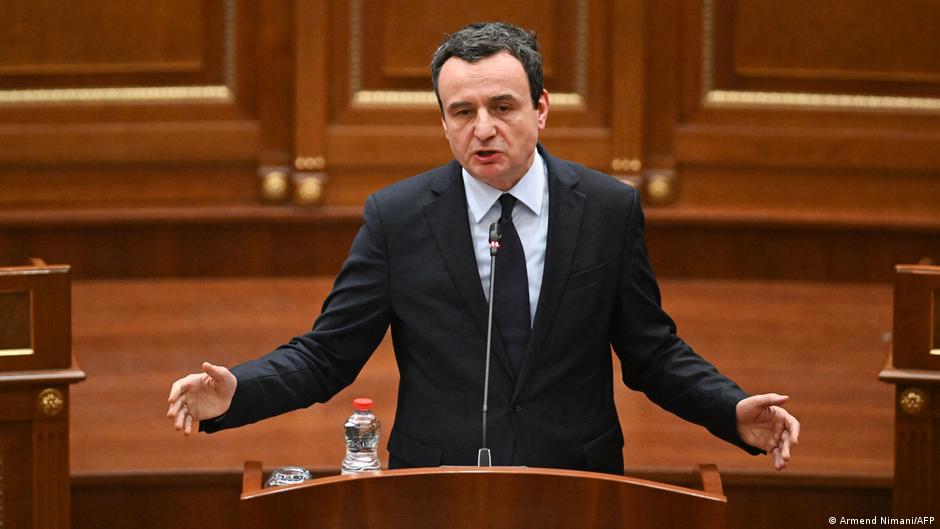
Kosovo’s ruling party, Self-Determination, led by Prime Minister Albin Kurti, has won the recent snap parliamentary elections with 43% of the vote, according to official results processed from 99.4% of ballots on June 7. This victory positions the party as the dominant political force, though coalition partners are still required to form a government amid ongoing political uncertainty.
The main opposition, the Democratic Party of Kosovo, secured 21% of the vote, followed by the Democratic League of Kosovo with 18%, and the Alliance for the Future of Kosovo capturing approximately 7%. Voter turnout was below 37%, reflecting possible electoral fatigue during the country’s third parliamentary election in just 18 months.
Market and Sector Implications Amid Political Developments
The election results underline a persistent political stalemate since the December 2025 vote, when Self-Determination garnered 51.1% but was unable to form a government due to disagreements over the presidential nominee—a largely ceremonial position. That impasse culminated in the April dissolution of parliament and these latest snap elections.
Investors and equity analysts monitoring the Balkans note that this ongoing political friction adds volatility to the region’s markets. Kosovo’s pro-Western orientation under Kurti, who is 51 years old and known for his firm stance on minority issues—especially concerning the Serbian minority in northern Kosovo—may influence sector rotation and trading volumes.
"The political uncertainty in Kosovo, especially regarding the government formation and ethnic tensions, could constrain foreign direct investment and affect infrastructure and energy sectors vital for regional growth," notes a regional equity analyst.
Kurti’s government agenda focuses on strengthening state institutions to meet European Union membership criteria, an objective endorsed by Brussels which conditions EU accession talks on institutional stability and reform implementation. These dynamics are expected to impact financial sector optimism and investor sentiment toward Balkan emerging markets.
Given Kosovo’s complex geopolitical situation—declared independence from Serbia in 2008 but not recognized by Serbia, Russia, and some EU members including Spain and Greece—the election outcome could influence cross-border trade policies and regional cooperation frameworks. Market participants should closely monitor developments around coalition negotiations and potential shifts in governance as they assess risks and opportunities.
Overall, while the Self-Determination party’s electoral win reinforces its leadership, the need for coalition-building introduces an element of uncertainty that may contribute to cautious trading behavior and selective sector exposure in regional equity portfolios.