Israel Faces International Backlash Over Detention Video Amid Rising Tensions
Video released by Israeli security minister showing detained pro-Palestinian activists sparks criticism from EU, US, and Western allies.
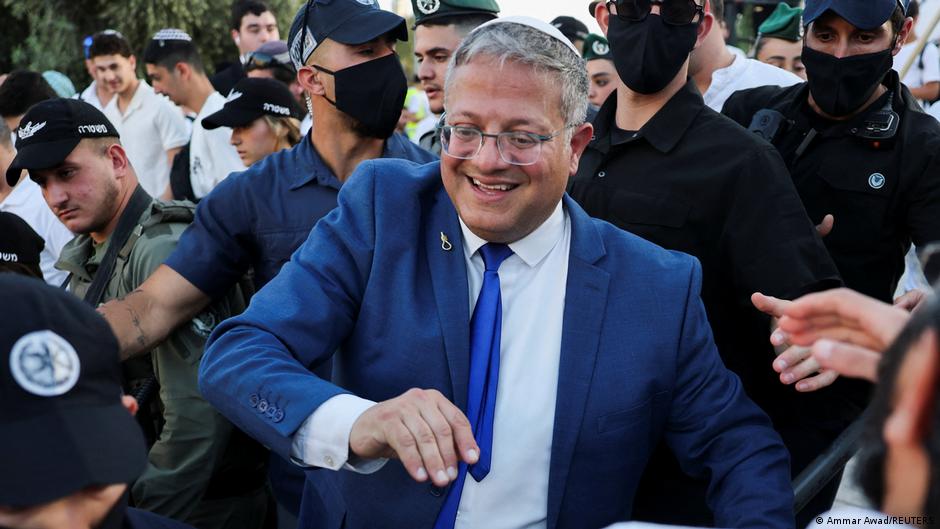
Israel is under intense international scrutiny following the release of a video by its Minister of National Security, Itamar Ben-Gvir, showing detained pro-Palestinian activists from the "Sumud" flotilla bound and kneeling in the port of Ashdod. The incident has prompted strong condemnations from the European Union, the United States, and several Western countries concerned about the treatment of detainees and the political implications of the footage.
Geopolitical Fallout and Market Implications
The video, posted on the social media platform X, depicts the activists with hands tied behind their backs and heads bowed, while Ben-Gvir walks among them holding an Israeli flag and shouting, "Welcome to Israel, we are the masters here." The caption described the detained activists as "supporters of terrorism." This provocative display has led Italy, France, Canada, the Netherlands, Belgium, and Portugal to summon Israeli ambassadors, with Spain recalling its chargé d'affaires due to the absence of an ambassador.
Several officials voiced their disapproval. Poland's Foreign Minister Radoslaw Sikorski condemned the harsh treatment, especially as some detainees were reportedly Polish citizens. "In a democratic world, detainees should not be subjected to cruel treatment or humiliation," Sikorski stated, demanding justice and accountability.
The EU’s official spokesperson for foreign affairs, Anuar El-Anuni, called the treatment "completely unacceptable" and urged Israel to release the detainees promptly and treat them with dignity in line with international law. EU foreign policy chief Kaja Kallas described the behavior as "humiliating and unacceptable," criticizing Ben-Gvir's conduct as unbecoming of an official in a democratic government.
US Ambassador to Israel Mike Hankabi labeled the flotilla activists’ attempt to breach the Gaza naval blockade as a "foolish stunt," but simultaneously condemned Ben-Gvir for dishonoring Israel's dignity through this public display. Germany’s Foreign Minister Johann Wadephul and Ambassador Steffen Seibert echoed this sentiment, emphasizing that such actions violate shared democratic values.
"The behavior of Minister Ben-Gvir fundamentally contradicts the values Germany seeks to uphold with Israel," said Johann Wadephul.
Within Israel, Foreign Minister Gideon Sa'ar publicly reprimanded Ben-Gvir on social media, accusing him of inflicting deliberate damage on the state's reputation and undermining the efforts of Israel Defense Forces and diplomatic personnel. Prime Minister Benjamin Netanyahu acknowledged Israel’s right to prevent "provocative flotillas" from crossing its territorial waters but stressed that the treatment of detainees must align with Israeli values.
The "Sumud" flotilla departed from Marmaris, Turkey, on May 14 and was intercepted by Israeli naval forces on May 18 approximately 250 nautical miles from Gaza. Organizers report that 428 individuals from over 40 countries were detained. This is not the first attempt to challenge the maritime blockade; a previous flotilla involving Greta Thunberg was stopped in October 2025.
Israel maintains that it will continue to enforce the naval blockade of Gaza, viewing such efforts as attempts to support Hamas, which is designated a terrorist organization by the US and EU. The current diplomatic fallout adds uncertainty to the region's stability, raising concerns in international markets, particularly among defense and maritime sectors. Analysts anticipate heightened volatility in stocks linked to geopolitical risk and potential shifts in sector allocations as investors weigh the implications of escalating tensions and possible retaliatory measures.