Iran Replenishes Missile Stockpile with Possible Russian Assistance, Impacting Defense Sector
Iran has restored approximately 75% of its pre-conflict missile arsenal, potentially including new Russian-supplied missiles, influencing market sentiment in defense stocks.
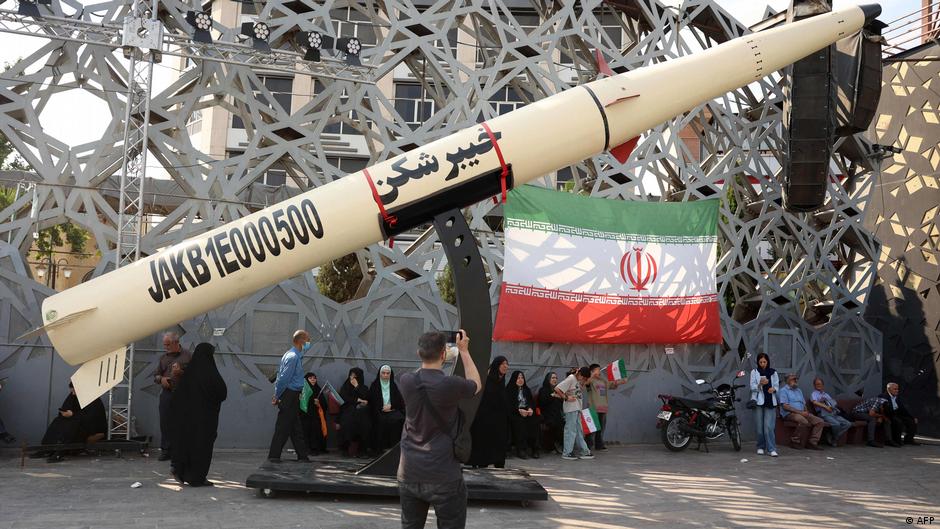
Recent intelligence reports suggest that Iran has successfully replenished its missile stockpile to about three-quarters of pre-escalation levels, with assistance that may include new Russian-made missiles. This development comes after an eight-week ceasefire between Iran and the United States, during which the Middle Eastern nation appears to have leveraged the pause to restore its military capabilities.
Implications for Defense Stocks and Sector Rotation
According to sources cited by Bloomberg, Iran's arsenal now includes undisclosed Russian missile models, likely produced within the last year. This replenishment contrasts with earlier U.S. intelligence assessments, which estimated Iran’s missile capacity at 21-22% following intensified strikes by the U.S. and Israel. Earlier in March, estimates stood at around 60%, indicating a period of significant recovery in recent months.
"The restoration of missile capabilities, including potentially new Russian weaponry, complicates strategic decisions for the U.S. and heightens tensions in the region," said Kelly Grico, Senior Fellow at the Washington-based Stimson Center.
The replenishment has triggered heightened attention in equity markets, notably within the aerospace and defense sectors. Stocks of companies engaged in missile defense, surveillance, and counter-drone technologies have experienced increased trading volumes as investors anticipate potential escalations in regional conflicts.
Market analysts note a possible sector rotation towards defense equities, given the sustained geopolitical instability. The resilience and replenishment of Iran's military assets may prompt governments globally to increase defense spending, benefiting key defense contractors listed on Wall Street.
Trading Volumes Reflect Heightened Geopolitical Risk
Trading data shows upticks in shares of firms specializing in missile defense systems and unmanned aerial vehicle countermeasures, reflecting investor concerns over proliferating missile and drone threats. The ongoing conflict and Iran's capacity to produce inexpensive drones like the Shahed model, used more frequently than missiles, add a complex layer to the risk environment.
Furthermore, the prolonged uncertainty concerning U.S.-Iran negotiations and the potential reopening of the strategically vital Strait of Hormuz have kept energy and defense sectors under scrutiny. Market participants are assessing the likelihood of supply chain disruptions and military escalations, affecting equity valuations.
Notably, recent statements from U.S. leadership regarding imminent peace agreements have fluctuated, adding to market volatility. The lack of a definitive timeline for a deal with Iran has led to cautious sentiment among investors, maintaining demand for defense-related equities as a hedge against geopolitical risks.
In summary, Iran's replenished missile arsenal, possibly augmented by Russian supplies, is influencing sector rotation and trading volumes on Wall Street. The defense sector appears poised for heightened investor interest amid ongoing Middle Eastern tensions and the uncertain trajectory of diplomatic negotiations.