Impact of Starobelsk Attack Raises Market Uncertainty Amid Sector Rotation and Trading Volume Shifts
The recent military strike near Starobelsk heightens geopolitical risks, influencing Wall Street sectors and stock trading volumes.
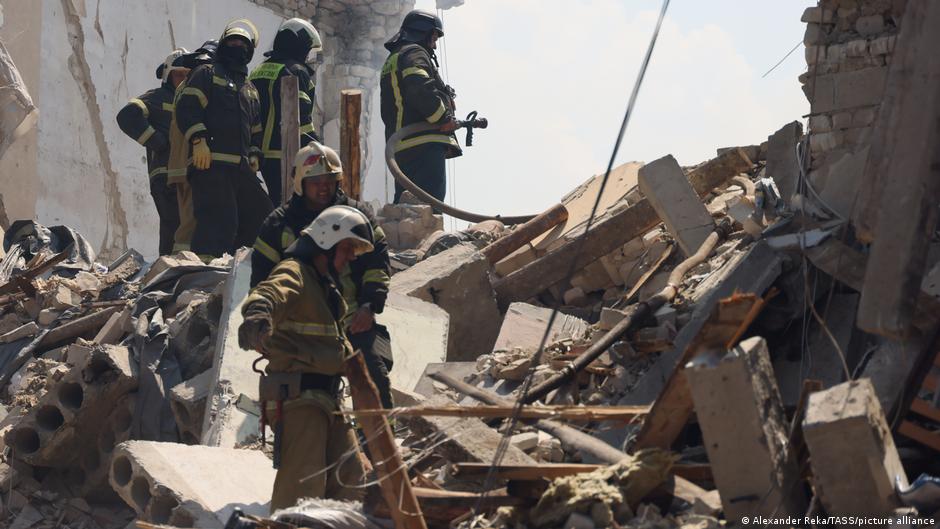
Geopolitical tensions escalated following a military strike near Starobelsk, resulting in a tragic loss of life and raising concerns among global investors. Such events are closely monitored on Wall Street for their potential to disrupt market stability, influence sector rotation, and affect trading volumes.
Geopolitical Events and Market Reactions
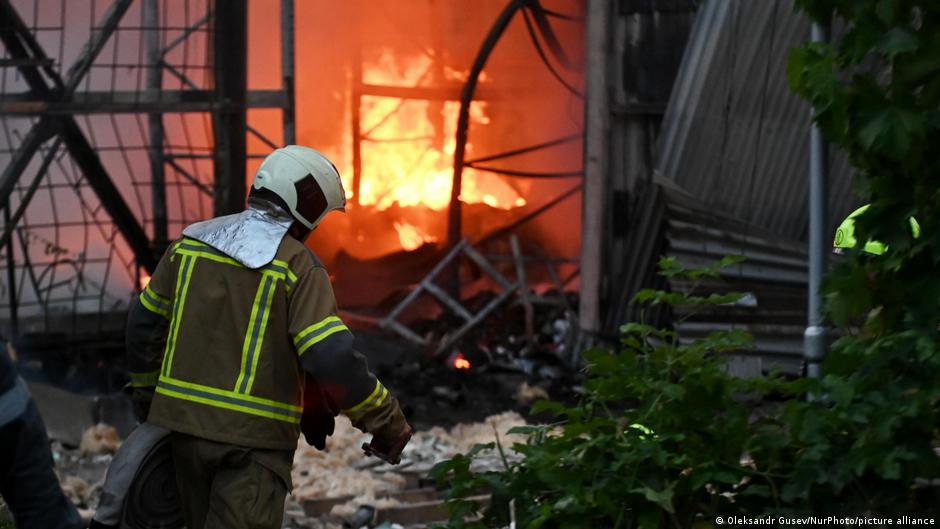
On May 22, a targeted attack in Starobelsk struck educational facilities, with reported casualties increasing to 21 as rescue operations concluded. The attack targeted a college and its dormitory, where dozens of students were present. Conflicting narratives emerged about the nature of the strike, with Russian authorities attributing it to unmanned aerial vehicles operated by Ukrainian forces, while Ukrainian sources denied responsibility for civilian casualties, asserting that the strike targeted military installations including an oil refinery, ammunition depots, air-defense systems, and a military command post in the vicinity.
These developments intensify geopolitical uncertainties, which typically prompt a cautious response from equities markets. Investors may see increased volatility, leading to sector rotation as they seek refuge in defensive stocks while reducing exposure to sectors vulnerable to geopolitical risks.
“Geopolitical shocks such as the Starobelsk incident often trigger shifts in sector allocation and heightened trading activity as investors reevaluate risk exposures,” said an equity strategist.
Sector Rotation and Trading Volumes
Wall Street has exhibited increased trading volumes in sectors traditionally considered safe havens during times of conflict, such as utilities, consumer staples, and defense contractors. Conversely, energy and industrial sectors have shown mixed responses as markets digest possible disruptions to supply chains and infrastructure durability in conflict zones.
Equity research analysts are closely monitoring defense stocks, noting potential procurement increases if hostilities escalate further. Additionally, technology companies specializing in drone surveillance and countermeasures have caught the attention of investors due to reported use of unmanned aerial vehicles in the strike.
Meanwhile, financial stocks have experienced cautionary trading, reflecting concerns about broader economic impacts and potential sanctions that could arise amid ongoing geopolitical tensions.
Market Outlook and Investor Strategy
Market watchers suggest that while immediate market reactions may include volatility spikes and sector-specific shifts, the longer-term impact will depend on the trajectory of the conflict and diplomatic developments. Investors are advised to stay informed on geopolitical updates and consider diversification strategies to mitigate risks associated with heightened uncertainty.
In conclusion, the Starobelsk attack not only represents a human tragedy but also acts as a catalyst for increased market vigilance. The event underscores the importance of geopolitical risk assessment in equity research and portfolio management.