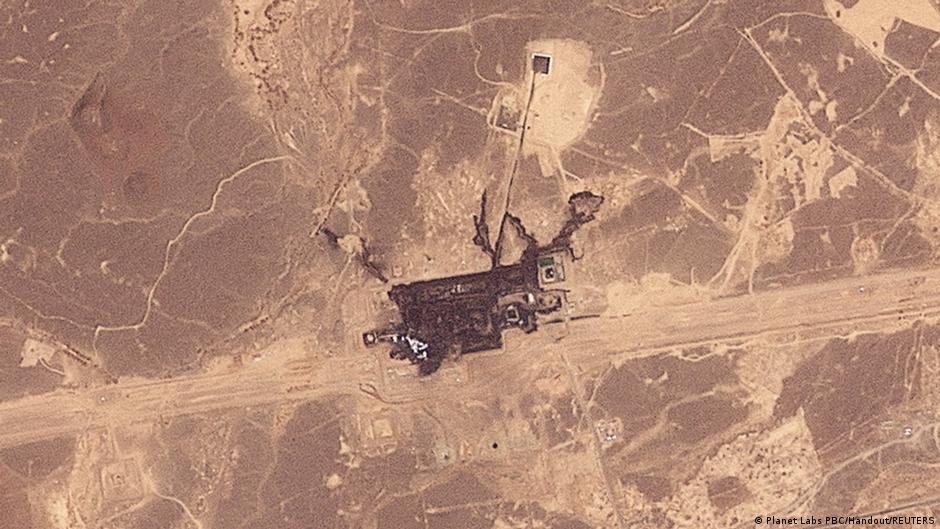
Houthi Advance on Yemen Coast Puts Red Sea Risk Back on Wall Street
The capture of Mocha raises the prospect of tighter energy supplies, higher oil prices and renewed pressure on shipping-linked equities.
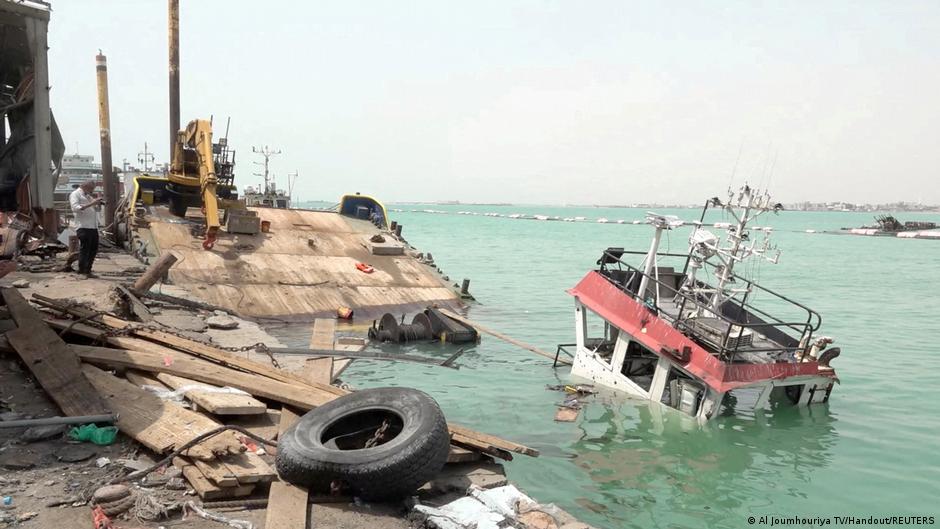
Pro-Iranian Houthi forces have captured the Yemeni port city of Mocha on the country’s western coast, strengthening their position near the Bab el-Mandeb Strait, the southern gateway to the Red Sea. The move puts a critical maritime chokepoint back at the center of Wall Street’s risk calculations, with energy, shipping, defense and transport stocks likely to draw closer scrutiny from investors.
Reuters reported on Thursday, September 10, citing sources in Yemen’s government, that the Houthis had taken Mocha as they continued to seize territory along Yemen’s coastline. The advance brings the group closer to a waterway that has grown more strategically important since the start of the U.S. and Israeli war against Iran. Bab el-Mandeb has been used as an alternative trade route that helps partly offset oil supply disruptions caused by the blockade of the Strait of Hormuz.
For equity markets, the immediate issue is not only the territorial gain itself, but what it could mean for the global flow of crude, refined products and commercial shipping. If the Iran-backed Houthis are able to establish full control over the route, Tehran could gain a significant military advantage, Reuters noted, potentially reducing energy supplies and triggering a sharp increase in oil prices.
Energy and Shipping Shares Move Back Into Focus
The development adds another geopolitical shock point for traders already balancing supply risk, inflation expectations and central bank policy. A sustained disruption around Bab el-Mandeb would likely reinforce investor interest in oil producers and energy-linked equities, while increasing pressure on airlines, logistics companies and other fuel-sensitive sectors.
Major integrated oil companies, independent exploration and production firms, tanker operators and oilfield services names are among the stock groups that typically become more active when traders price in the risk of tighter crude supply. At the same time, companies with high exposure to fuel costs can face renewed margin questions if crude prices rise sharply.
The impact on shipping equities may be more complex. Tanker and maritime transport stocks can benefit when route disruption increases voyage times, tightens vessel availability or lifts freight rates. But the same instability can also raise insurance costs, complicate schedules and make some routes commercially harder to use. For container carriers, dry bulk operators and logistics platforms, investors are likely to watch whether the Red Sea remains open for most traffic or whether vessel operators begin rerouting on a larger scale.
Houthi representatives have said Red Sea shipping is safe for all companies except vessels from Saudi Arabia, the world’s largest oil exporter and a participant in the conflict on the side of Yemen’s government.
That exception matters for markets because Saudi Arabia’s role as a major oil exporter makes any threat to its vessels or energy infrastructure especially relevant for crude pricing. Earlier in September, the Houthis announced an expansion of military operations in the Middle East and struck four cities in southern Saudi Arabia. More than 70 people were injured in the heavy shelling, and fires broke out at oil facilities. Saudi Arabia responded with more than 60 airstrikes on several provinces controlled by the Houthis.
Sector Rotation Risk
The Mocha capture could encourage a defensive shift in U.S. equities if investors conclude that energy costs may stay elevated or that the conflict has reduced Washington’s room to maneuver. Reuters wrote that if the Houthis maintain control over Bab el-Mandeb, the White House would have less flexibility to exit the conflict. According to Reuters sources, forces of Yemen’s internationally recognized government and their allies are currently being forced to retreat south along the Red Sea coast.
That dynamic may feed into sector rotation. Energy shares could find support from a geopolitical risk premium in crude, while defense contractors may remain on investors’ screens as the conflict continues to involve U.S., Israeli, Iranian, Saudi and Yemeni interests. Conversely, consumer discretionary, transport and travel-linked shares could face questions if higher oil prices threaten household spending or corporate margins.
Equity research desks are likely to focus less on a single day’s price action and more on whether the Houthi advance changes the probability of a lasting constraint on Red Sea traffic. Analysts may examine exposure to energy costs, supply chains routed through the Red Sea, insurance and freight sensitivity, and the ability of companies to pass along higher costs. The market reaction may therefore be uneven, with investors separating firms that benefit from higher commodity prices from those vulnerable to more expensive logistics.
The timing also has a political dimension. The Houthi advance came several hours after U.S. President Donald Trump said he expected the war with Iran to end after the U.S. congressional midterm elections in November 2026. If control of Bab el-Mandeb becomes a more durable point of leverage for Iran and its allies, investors may reassess the likely duration of geopolitical risk in energy markets.
Yemen has been engulfed in civil war since 2014, a conflict that has effectively divided the country among three opposing sides. The pro-Iranian Houthis control northern and western provinces, including the capital, Sanaa, where around 70% of the population lives. Their latest coastal gains now put a market-sensitive maritime route in sharper focus, turning a regional battlefield development into a potential driver of global oil prices and U.S. sector performance.