Germany Allocates Additional €300 Million for Czech-Led Ukraine Ammunition Supply Initiative
Berlin boosts funding to support approximately 50,000 artillery shells for Ukrainian forces, influencing defense sector stocks and market dynamics.
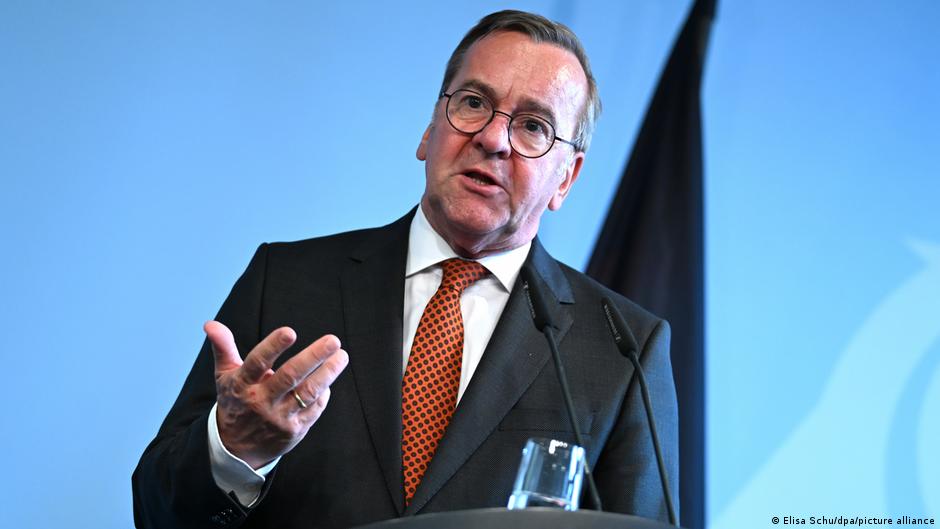
Germany has announced an additional allocation of €300 million to support the Czech-led initiative for procuring ammunition destined for the Ukrainian Armed Forces (UAF). This funding is expected to cover roughly 50,000 artillery shells and reflects Berlin’s continued commitment as the largest donor to the program.
Implications for Defense Sector and Market Movement
German Defense Minister Boris Pistorius disclosed the funding increase following a meeting with his Czech counterpart, Jaromír Zůna, in Berlin on June 9. This financial injection is part of a broader €1 billion commitment by Germany in 2025 to the Czech initiative, which began in February 2024 with support from then Czech Prime Minister Petr Fiala.
From a market perspective, the defense sector could see notable impacts as government spending intensifies. Stocks of defense contractors and suppliers connected to ammunition manufacturing and logistics may experience increased trading volumes and potential price appreciation due to anticipated order flows. Investors and equity research analysts are likely to monitor the repercussions of sustained European military aid on sector rotation strategies, particularly amid ongoing geopolitical tensions.
The Czech initiative aims to procure ammunition from third-party countries, ensuring a steady supply pipeline for Ukraine’s military needs. Despite political uncertainty following a government transition in Prague in December 2025, the program has been maintained without direct Czech financial contributions—a key compromise that preserved the initiative's continuity.
According to the Czech Ministry of Defense, contracts in place foresee deliveries of up to one million shells by the end of 2026. Ukrainian forces reportedly received approximately 500,000 shells earlier this year, underscoring the scale and urgency of these supplies.
“The future of the ammunition supply initiative will be a topic at the NATO summit in Ankara on July 7-8,” stated Czech President Petr Pavel, noting a reduction in contributing countries from 18 to 9 since 2025.
The narrowing donor base may introduce uncertainties for long-term funding and procurement strategies, which investors should consider when evaluating defense equities. Continued governmental support and multinational coordination remain pivotal for sustaining supply chain momentum and market confidence.
As geopolitical dynamics evolve, the defense sector’s role in portfolio allocation and trading strategies on Wall Street is likely to become increasingly significant. Observers anticipate that equity research will emphasize the impact of such international aid programs on supplier revenues, stock liquidity, and sector rotation, particularly within industrial and materials sub-sectors linked to military manufacturing.