EU’s Quiet Kremlin Talks Influence Market Sentiment Amid Geopolitical Tensions
Unconfirmed EU-Kremlin communications spark sector rotation and impact trading volumes on Wall Street.
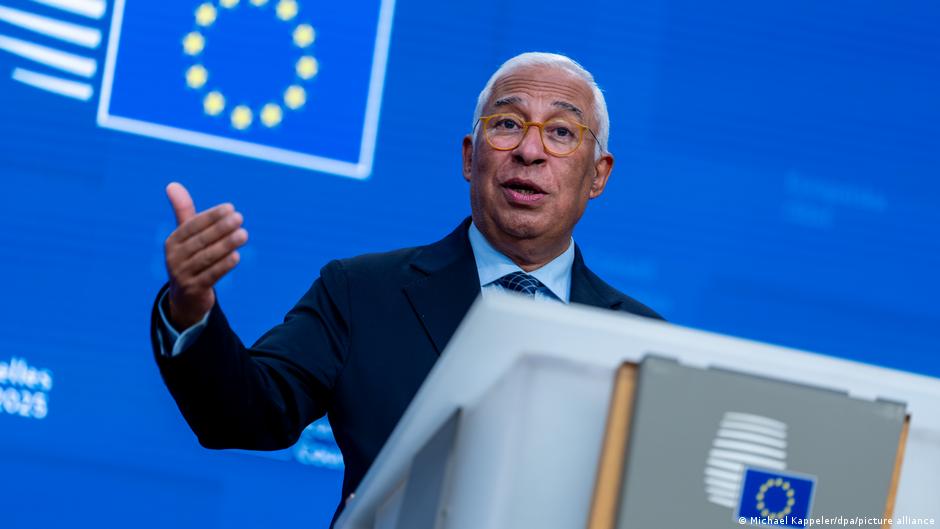
Recent reports of undisclosed communications between European Union officials and Kremlin representatives have begun to influence the dynamics of global financial markets, particularly on Wall Street. Although details remain sparse, these developments have triggered notable shifts in investor behavior, with increased trading volumes and sector rotations evident among key equity groups.
Market Reaction to Geopolitical Signals
According to intelligence from informed sources, an advisor to the President of the European Council engaged in multiple phone conversations with a high-ranking Russian official closely connected to President Vladimir Putin. These confidential talks aim to lay the groundwork for potential future negotiations concerning the conflict in Ukraine. While the timing and full participant list of these calls remain undisclosed, their existence has already begun affecting market sentiment.
Wall Street investors appear to be interpreting the possibility of diplomatic progress as a signal to adjust portfolio allocations. This has manifested in a rotation out of defense and energy sectors—traditionally favored amid geopolitical conflicts—toward industries more sensitive to economic normalization, such as technology and consumer discretionary stocks. Trading volumes have surged notably in these sectors, reflecting heightened investor interest.
"The market is pricing in the prospect of a de-escalation, which could loosen geopolitical risk premiums and shift capital flows accordingly," said a senior equity analyst following European markets.
However, the situation remains fluid. The European Council Chair António Costa has previously acknowledged the EU’s preparation for potential negotiations with Russia, emphasizing coordination among EU member states to define discussion priorities when the opportunity arises. Meanwhile, major European powers including Germany, France, and the UK have independently explored strategies to engage President Putin in peace talks, coordinating closely with Ukraine’s leadership.
These delicate diplomatic maneuvers come as the Russian military faces operational challenges, Ukrainian forces intensify counteroffensive actions on Russian soil, and economic sanctions weigh heavily on Moscow’s economy. Investors are closely monitoring these developments, weighing their impact on global risk appetite and equity valuations.
Equity Research Outlook and Trading Implications
Equity research teams are advising caution amid the uncertainty. While the prospect of negotiations could alleviate some risk premia, analysts note that confirmation and substantive progress remain necessary to sustain bullish momentum. Sector-specific outlooks vary:
- Defense stocks may face downward pressure if diplomatic resolutions reduce conflict escalation risks.
- Energy companies, particularly those exposed to European supply dynamics, could see volatility as geopolitical risk factors adjust.
- Technology and consumer discretionary sectors stand to benefit from improved economic outlooks and reduced uncertainty.
Trading desks report heightened volumes as participants position themselves ahead of potential news flow, reflecting a market poised for rapid shifts based on geopolitical developments.
In summary, while official confirmations remain scarce, the reported confidential EU-Kremlin contacts have already begun to influence Wall Street’s trading patterns and sector rotations. Investors and analysts alike remain vigilant, assessing how these evolving geopolitical narratives will shape equity markets in the near term.