European Allies' Diplomatic Talks with Ukraine Reflect Shifting Geopolitical Dynamics
Germany, France, and UK leaders discuss reinvigorating peace diplomacy with Ukraine amid evolving military and security conditions
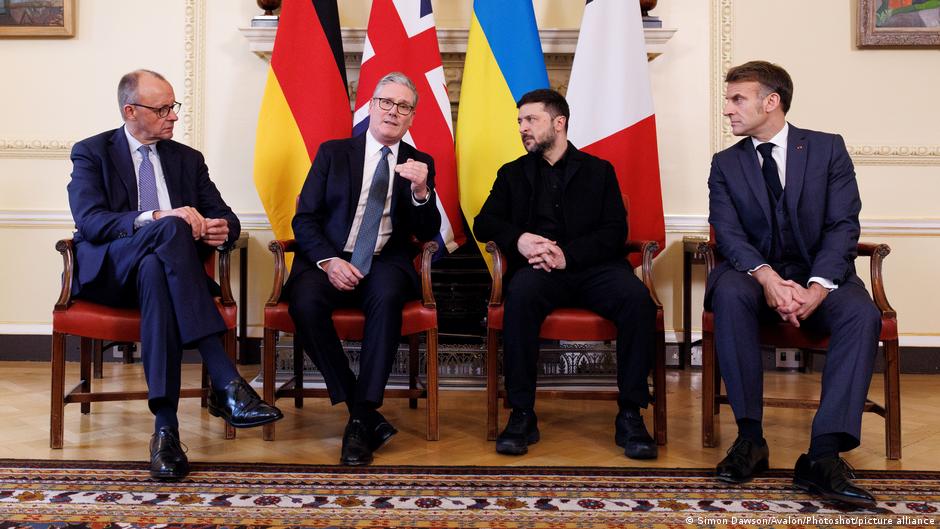
In a high-level video conference held on May 22, the leaders of Germany, France, and the United Kingdom engaged in discussions with Ukrainian President Volodymyr Zelenskyy to explore avenues for renewing stalled diplomatic efforts aimed at ending the ongoing conflict with Russia. The meeting marked the first summit of its kind in several months and underscored the European partners’ commitment to facilitating peace and security in the region.
Diplomatic Momentum and Military Developments
The virtual summit included German Chancellor Friedrich Merz, French President Emmanuel Macron, UK Prime Minister Keir Starmer, and President Zelenskyy. According to Zelenskyy, the discussions focused primarily on how to "activate diplomacy in the name of peace" and ensure Europe’s active participation in the peace process. While specific details were not released, the tone suggested a shared urgency to break the diplomatic deadlock.
“All partners recognize Ukraine’s significantly strengthened position—both on the battlefield and strategically—which can push forward effective diplomacy.”
Starmer’s spokesperson confirmed that the UK and its European counterparts intend to bolster Ukraine’s defensive efforts in the coming months, signaling a continuation and intensification of military support. This enhanced backing follows a series of recent Ukrainian military operations targeting strategic Russian assets, which have reportedly shifted the power dynamics in Kyiv’s favor.
The joint communiqué emphasized that confronting Russian aggression remains essential to European and global security. This consensus among key European powers signifies a potential pivot in the approach to the conflict, blending diplomatic engagement with sustained military assistance.
Challenges in the Negotiation Framework and US Role
The conference also highlighted limitations in the existing negotiation format involving Ukraine, Russia, and the United States. Ukrainian Foreign Minister Andriy Sybiha noted that repeated discussions within this trilateral framework have reached a point of diminishing returns, with persistent issues being revisited multiple times without progress.
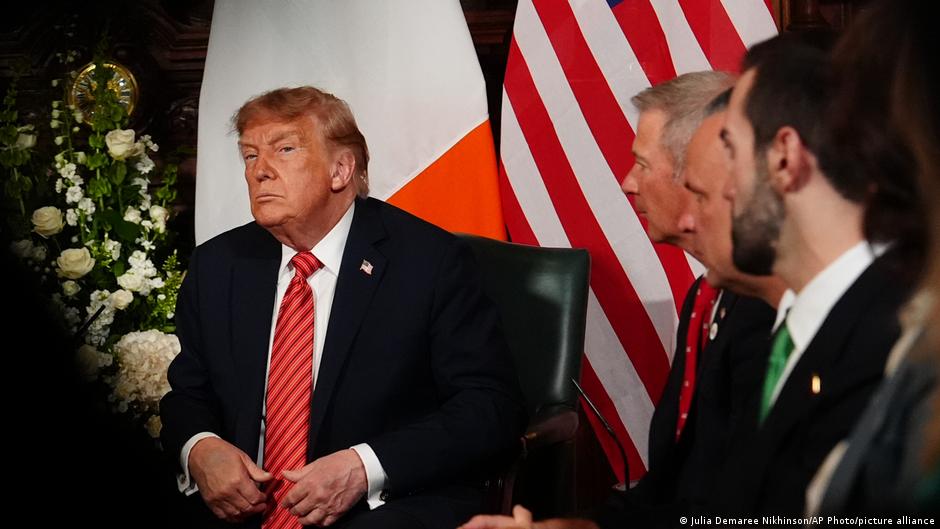
In light of this, Sybiha advocated for greater involvement of the European Union as a means to invigorate peace talks. He further proposed the possibility of a direct summit among the heads of state—namely, Presidents Putin, Zelenskyy, and former US President Donald Trump—to reset negotiations and inject fresh impetus into the peace process.
Concurrently, US Senator Marco Rubio expressed similar reservations about the existing negotiation process, acknowledging setbacks and the absence of tangible results from ceasefire talks. Although Washington remains willing to participate in trilateral discussions, it is wary of engaging in endless cycles of unproductive meetings.
Implications for Markets and Sector Rotation
The renewed European commitment to Ukraine and the evolving geopolitical landscape have potential ramifications for global equity markets. Defense sector stocks in Europe and the UK are likely to benefit from increased government spending and procurement, reflecting the bolstered military support pledged in the conference.
Meanwhile, the uncertainty surrounding the peace process and persistent conflict risks may continue to drive volatility in energy and commodity markets, sectors sensitive to geopolitical tensions. Investors might anticipate sector rotation favoring defense and cybersecurity equities, while temporarily avoiding sectors with high exposure to Eastern European markets.
Trading volumes in related stocks could see upticks as market participants respond to shifts in diplomatic dynamics and military developments on the ground. Equity research analysts are expected to closely monitor government policies and military aid announcements from European allies to assess longer-term investment implications.
Outlook
The strategic dialogue between Ukraine and its key European partners illustrates a pragmatic approach to balancing military support with diplomatic initiatives. As the conflict landscape continues to evolve, market watchers will be attentive to how these developments influence sectoral performance and investor sentiment in the weeks ahead.