EU Holds Off Naming Negotiator with Russia Amid Strategy and Sanctions Focus
The European Union delays appointing a representative for talks with Russia, emphasizing strategic clarity and enhanced sanctions instead.
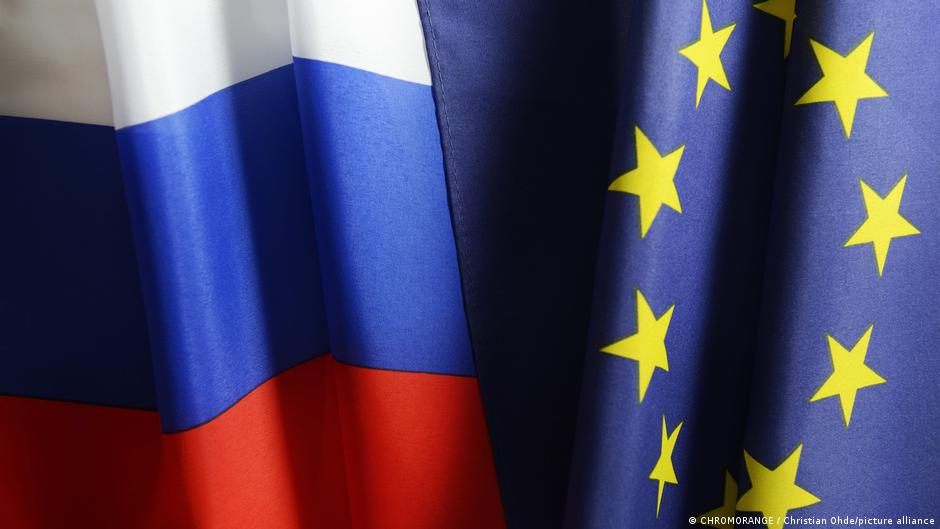
The European Union has decided not to appoint a representative to negotiate an end to the war in Ukraine at this time. EU officials emphasize the need to first clarify the strategic framework and specific topics to address with Russia before engaging in formal dialogue.
EU Strategy Prioritizes Sanctions Over Immediate Negotiations
According to senior EU officials, naming a dedicated negotiator is currently considered premature. This perspective is shared by the EU's High Representative for Foreign Affairs and Security Policy, as well as key member states including Germany. One EU official explained, "We first need to agree on exactly what we want to discuss with Russia."
Brussels remains convinced that sustained and targeted sanctions pressure will be a critical tool to bring Russian President Vladimir Putin to the negotiating table. In this vein, the European Commission and the European External Action Service (EEAS) planned to present the 21st package of sanctions against Russia in closed consultations on May 28. This new round of sanctions is expected to target the financial sector and suppliers to Russia's defense industry.
"We, Europeans, decide who speaks on our behalf. No one else," stated German Chancellor Friedrich Merz in response to Russia's preference for a specific EU negotiator.
Potential EU Negotiators and Russia's Preferences
Within the EU, there has been active discussion about appointing a special envoy for potential peace talks with Russia. Names mentioned include former European Central Bank President Mario Draghi, former German Chancellor Angela Merkel, and Finnish President Sauli Niinistö. However, no consensus has been reached yet.
Russia has publicly indicated a preference for former German Chancellor Gerhard Schröder to act as the EU's negotiator. Schröder, viewed as close to President Putin, has been firmly rejected by both the current German government and EU representatives from consideration. Chancellor Merz emphasized European sovereignty in this matter, underscoring that the EU alone determines its representatives.
Market Impact and Sector Rotation
The EU's decision to delay appointing a negotiator and its focus on expanding sanctions has immediate implications for markets. Financial and defense sectors, particularly companies with exposure to Russia or its supply chains, may see increased volatility. Investors are closely monitoring trading volumes in European banks and defense contractors as the 21st sanctions package is expected to deepen restrictions.
Sector rotation toward defensive stocks and companies less exposed to geopolitical risks may accelerate amid this ongoing uncertainty. Equity research teams urge caution, noting that while a diplomatic breakthrough remains a long-term positive, near-term market sentiment could be pressured by escalating sanctions and the absence of direct negotiations.
Overall, the EU's current stance signals a measured approach, prioritizing strategic clarity and economic pressure over premature diplomatic engagement, which continues to shape investor behavior and sector performance on Wall Street and European exchanges.