EU Diplomat Highlights Geopolitical Risks Amid Russia, China, and US Divisions Impacting Markets
EU foreign policy chief warns that geopolitical tensions driven by major powers could affect European unity and influence sector rotation on Wall Street.
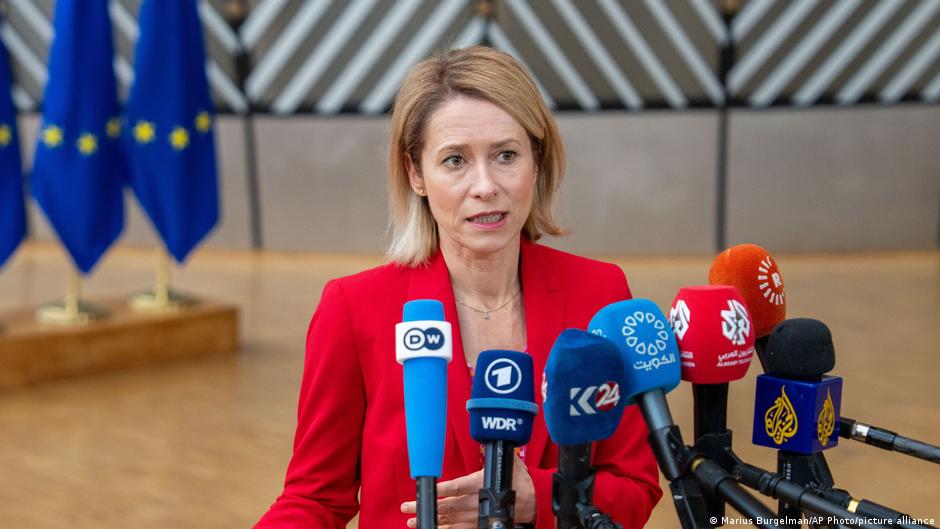
European Union High Representative for Foreign Affairs and Security Policy, Kaja Kallas, recently addressed the growing geopolitical challenges posed by Russia, China, and the United States that seek to weaken European unity. Speaking at the Lennart Meri Conference in Tallinn on May 17, Kallas emphasized the strategic intent behind these powers pursuing a "divide and conquer" approach towards the EU, a dynamic that is reverberating through global markets and influencing investment patterns on Wall Street.
Geopolitical Fragmentation and Market Responses
Kallas stated, "If we stay together, if we act collectively, then... we are strong." This unity, she noted, is precisely what Russia, China, and the US aim to undermine by exploiting bilateral relationships with individual member states rather than engaging with the EU as a consolidated bloc.
"They do not like the European Union because together we are an equal and strong force," Kallas remarked, highlighting the strategic challenges facing the EU.
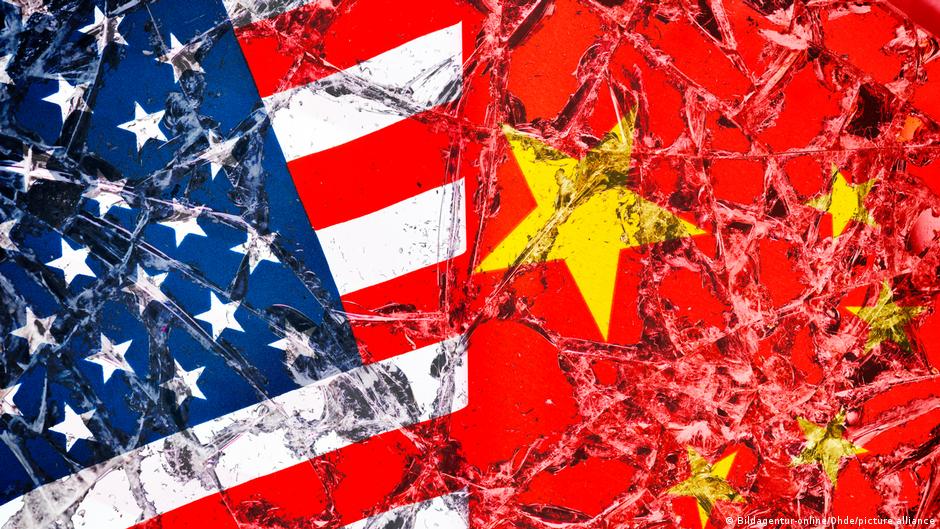
This geopolitical fragmentation has tangible implications for Wall Street investors. Market participants are increasingly attentive to how political fissures in Europe could precipitate sector rotation, particularly within industries sensitive to EU regulatory and trade policies. For example, European financial and industrial stocks have experienced volatility as investors weigh the risks of potential weakening in European cohesion against the backdrop of rising US-China tensions and Russia’s ongoing geopolitical maneuvers.
Trading volumes in stocks with significant exposure to Europe have fluctuated, reflecting investor caution. Equity research departments across major Wall Street firms have adjusted outlooks for sectors such as automotive, manufacturing, and technology, which rely heavily on EU-wide supply chains and regulatory frameworks. Analysts warn that bilateral agreements between individual EU countries and the US might dilute collective bargaining power and introduce uncertainties that could lead to increased market fragmentation.
Moreover, Kallas expressed concern over some EU member states pursuing independent diplomatic channels with Washington. "I am very worried because sometimes I see some countries going down that route. Division really works," she said. This fragmentation risks weakening the EU’s ability to present a unified front in economic and security negotiations, complicating both market forecasts and investment strategies.
The broader international relations context adds pressure on markets as well. Earlier proposals by Russian President Vladimir Putin to appoint former German Chancellor Gerhard Schröder as an EU peace negotiator were firmly rejected by Kallas, who argued that allowing Russia to designate EU negotiation representatives would be imprudent. Such political stances further underscore the complex and often adversarial relationship between the EU and external powers, which market analysts must factor into risk assessments.
Implications for Wall Street Investors
For Wall Street traders and institutional investors, the EU’s cohesion—or lack thereof—remains a critical variable in portfolio management. Geopolitical risks stemming from the "divide and conquer" tactics pursued by Russia, China, and the US are likely to fuel continued sector rotation and increased hedging activities. Sectors tied closely to European integration could underperform if political fragmentation deepens, while more domestically focused US sectors might attract flows as risk-off sentiment grows.
In the equity research community, the emphasis is increasingly on monitoring political developments in Europe alongside traditional financial metrics. Analysts advise maintaining vigilance on trading volumes and price movements in European ADRs and multinational stocks, as these may presage broader market trends linked to geopolitical uncertainty.
In sum, Kallas’s remarks bring into sharp relief the intersection of geopolitics and market dynamics, underscoring the need for investors to closely track European political cohesion as a determinant of sector performance and overall market stability.