Drone Strikes in Russia Trigger Sector Rotation and Increased Trading Volumes on Wall Street
Recent drone attacks on Russian industrial sites impact market sentiment, influencing specific stocks and equity research perspectives on energy and defense sectors.

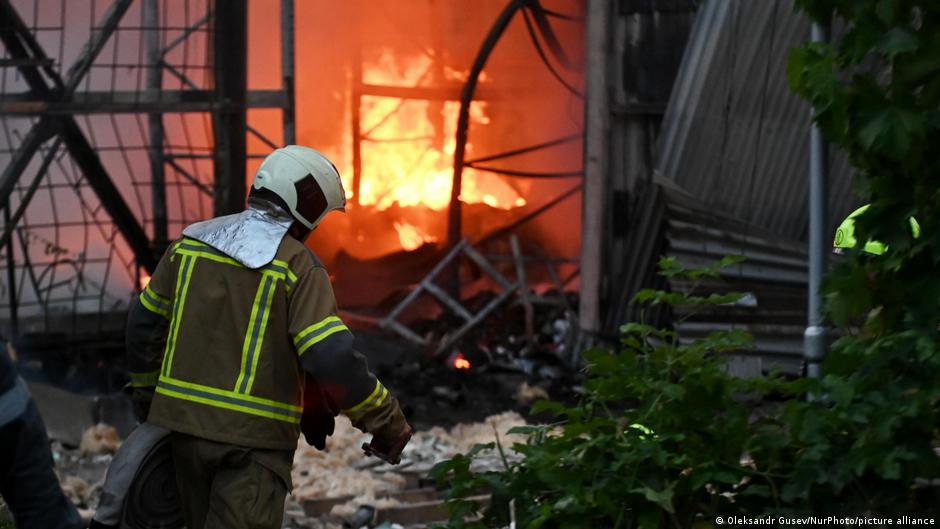
Recent drone strikes targeting key industrial facilities in multiple Russian regions have reverberated through global markets, particularly influencing trading patterns and sector rotation on Wall Street. The attacks, carried out by unmanned aerial vehicles (UAVs), struck high-profile targets including the Azot chemical plant in Tula and major energy infrastructure across Smolensk, Yaroslavl, and Tatarstan.
Market Impact and Sector Rotation
The drone strikes have primarily affected companies linked to the energy, chemical, and defense sectors. Notably, the Azot plant, a major producer of nitrogen fertilizers and precursors for military explosives, came under fire, raising concerns about supply chain disruptions. The plant's production of substances such as acetic and nitric acid—critical for manufacturing octogen and hexogen explosives—has drawn attention from equity analysts wary of potential operational setbacks.
"The strikes highlight vulnerabilities in key Russian industrial hubs, prompting investors to reassess risk exposure, especially in energy and defense-related equities," said a market strategist.
Wall Street has seen increased trading volumes in stocks of companies with direct or indirect exposure to Russian industrial outputs. Energy stocks, particularly those related to oil refining and chemical production, experienced volatility as investors anticipate possible supply constraints. The oil refinery at Taneko and the petrochemical plant at Nizhnekamskneftekhim, both recently targeted, are significant contributors to global chemical feedstock markets.
In addition, defense contractors and security technology firms have attracted attention from institutional investors, as heightened geopolitical tensions often drive demand for military hardware and cybersecurity solutions.
Equity Research and Forward Outlook
Equity research analysts have updated their guidance to factor in the potential for extended disruption in Russian industrial operations. Some have revised risk profiles for associated sectors, recommending cautious positioning until there is clarity on the duration and scale of impact. While the immediate effect is a spike in volatility, the longer-term implications could influence multinational supply chains, further accelerating sector rotation toward safer assets and companies with diversified geographies.
The closure and operational restrictions at several Russian airports, including Tambov, Kaluga, Nizhny Novgorod, and Yaroslavl, due to drone activity, add to logistical uncertainties. These factors contribute to a heightened risk environment that could influence market sentiment beyond Russia’s borders.
Overall, these developments underscore the interconnectedness of geopolitical events and global financial markets. Investors and traders remain vigilant, monitoring unfolding events closely to gauge the broader economic implications.