Drone Attacks on Russian Regions Create Volatility in Defense and Energy Stocks
Recent UAV strikes in Kursk and Belgorod regions impact regional stability, prompting market shifts in defense sectors and related equities.
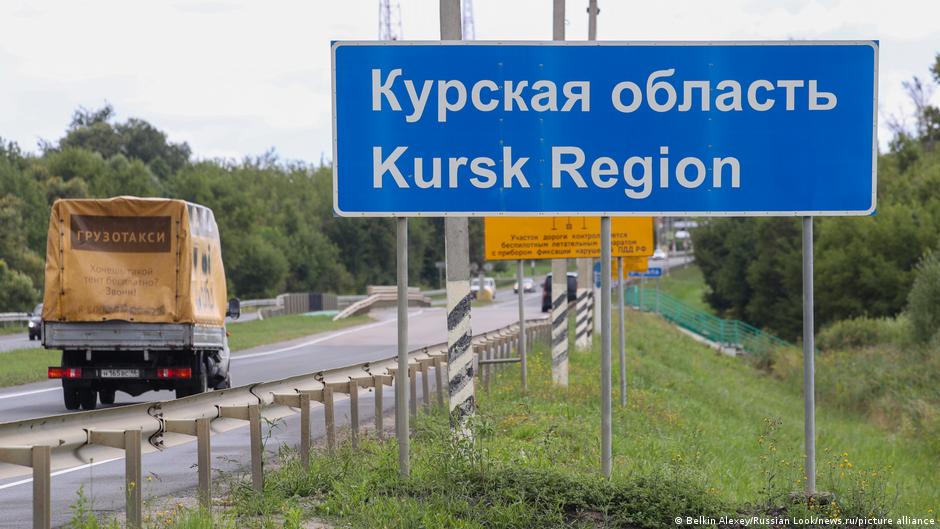
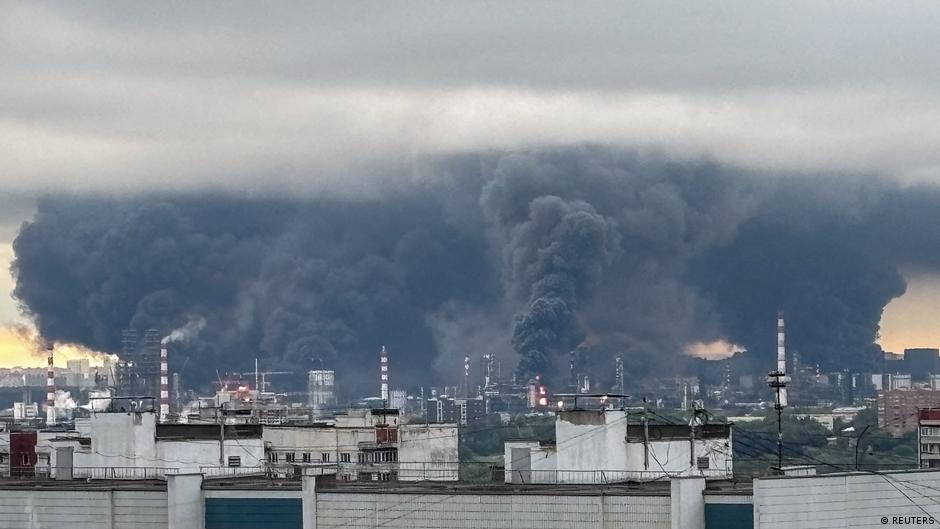
Unmanned aerial vehicle (UAV) attacks on Russia's Kursk and Belgorod regions resulted in casualties and heightened security concerns, stirring noticeable responses on financial markets, particularly within defense and energy sectors. The incidents, reported on August 5 and 6, have triggered sector rotation and increased trading volumes as investors reassess risk exposure tied to geopolitical instability.
Details of the UAV Attacks and Market Repercussions
The attack in Kursk Oblast led to one fatality and six injuries after a drone struck a private residence in the village of Kozyrevka. Meanwhile, in Belgorod Oblast, two individuals were wounded, including a volunteer fighter from the "Orlan" unit, following drone strikes on the Shebekino district and Maslova Pristan settlement. These events underscore the escalating use of UAVs in cross-border conflicts, raising concerns about regional security.
"The increased drone activity has heightened volatility in defense stocks as investors recalibrate their risk assessments amid regional tensions," noted an equity research analyst.
In response, Moscow authorities reported intercepting three drones en route to the capital, with no casualties or damage disclosed. Additionally, Yaroslavl region imposed traffic restrictions on routes heading towards Moscow, signaling elevated alert levels.
These developments have influenced market dynamics, particularly in sectors tied to national security. Defense contractors and suppliers witnessed a surge in trading volumes, as investors anticipated potential government spending boosts on counter-drone technology and military hardware. Energy stocks, historically sensitive to regional conflicts, experienced mixed reactions amid concerns over supply chain disruptions.
Equity research reports suggest a cautious approach, emphasizing the need to monitor the evolving security landscape and its implications on sector-specific earnings. Market participants are also observing broader sector rotation patterns, with increased inflows into defense equities at the expense of more cyclical sectors vulnerable to geopolitical shocks.
Overall, the UAV attacks have accentuated the interplay between geopolitical events and market behavior, reinforcing the importance of real-time intelligence in investment decision-making processes.