Drone Attacks on Russian Oil Facilities Spark Sector Volatility on Wall Street
Recent drone strikes on oil storage and refining sites in Russia’s Rostov and Saratov regions heighten concerns over energy supply stability.
Wall Street investors are closely monitoring the fallout from recent drone attacks targeting oil infrastructure in Russia's Rostov and Saratov regions. The incidents have triggered sector rotations and increased trading volumes in energy stocks, as concerns mount over potential disruptions to crude oil supply chains.
Impact of Drone Strikes on Russian Oil Assets
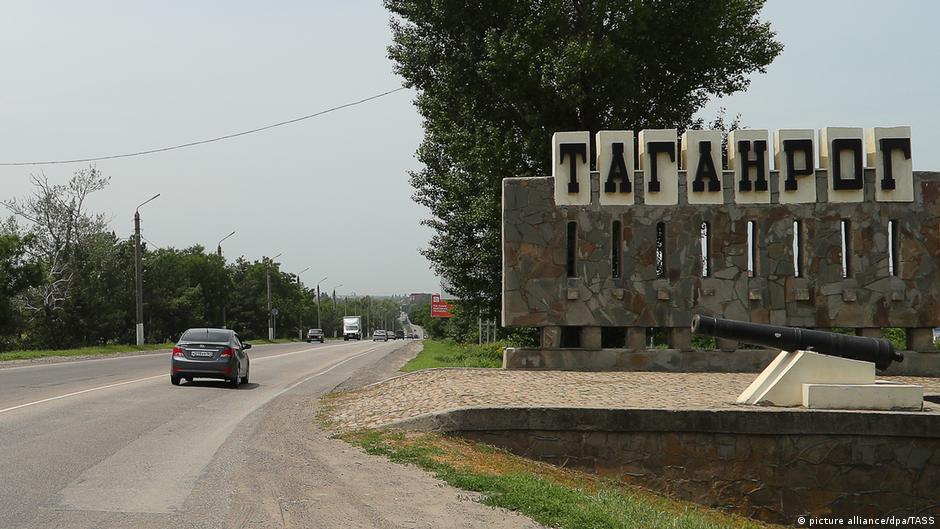
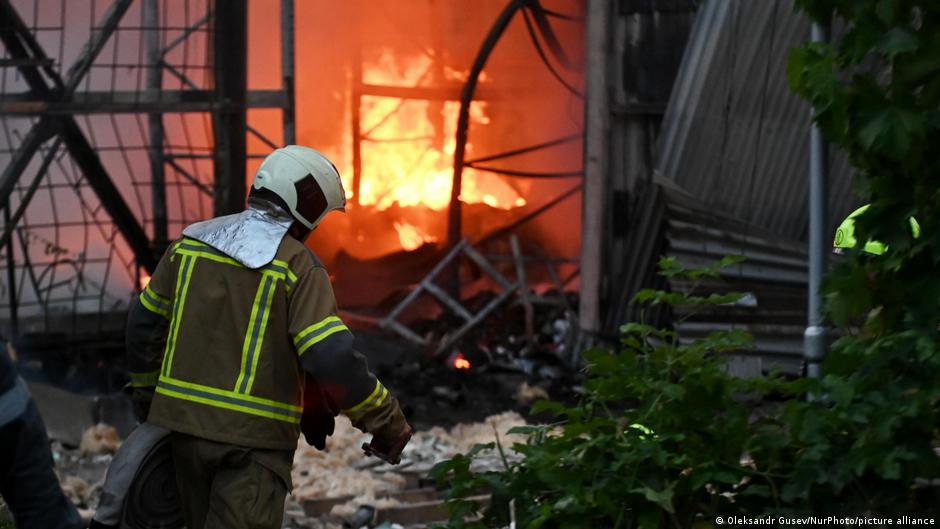
On the night of May 31, a drone strike led to a fire at a private oil storage facility in the Matveyevo-Kurgan district of the Rostov region. Local authorities promptly evacuated nearby residents and deployed emergency services, including a firefighting train, to contain the blaze. No casualties have been reported so far.
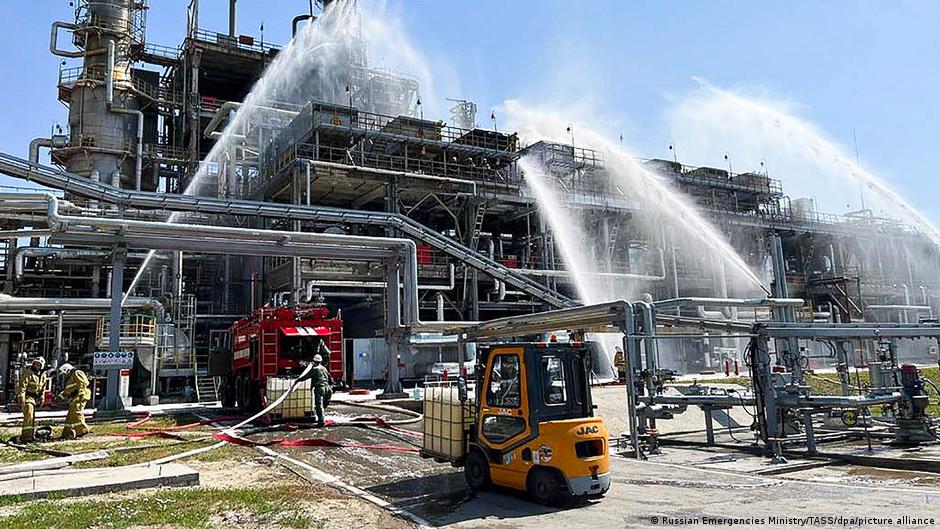
Simultaneously, damage was reported at the Saratov oil refinery, with local officials indicating harm to civilian infrastructure but offering limited details. Open-source intelligence channels have circulated videos and images purportedly showing the aftermath of the incident, highlighting a significant fire at the refinery.
"The attacks have reignited concerns about the security of key energy assets amid ongoing geopolitical tensions," noted an equity research analyst specializing in energy markets.
These developments have prompted a re-evaluation of risk within the energy sector. Traders on Wall Street have responded with heightened volatility, as reflected in the increased trading volumes of both Russian energy stocks and global oil producers potentially positioned to fill any supply gaps.
Sector Rotation and Trading Volumes
The strikes have accelerated a rotation from traditionally stable energy blue chips toward more diversified or defensively positioned equities. Investors appear cautious amid uncertainty over how sustained these disruptions might be and their broader implications for oil prices and supply stability.
Equity research firms emphasize monitoring the evolving geopolitical landscape closely, as further attacks or retaliatory measures could exacerbate market instability. Additionally, the situation underscores the growing role of asymmetrical warfare tactics, such as drone usage, in impacting physical infrastructure with significant economic consequences.
Overall, the recent attacks serve as a stark reminder of the vulnerabilities within the global oil supply chain and their potential reverberations across financial markets worldwide.