Drone and Missile Attacks in Ukraine Weigh on Market Sentiment and Sector Rotation
Recent drone strikes on Odessa and missile attacks on Dnipro impact investor sentiment amid heightened geopolitical tensions.
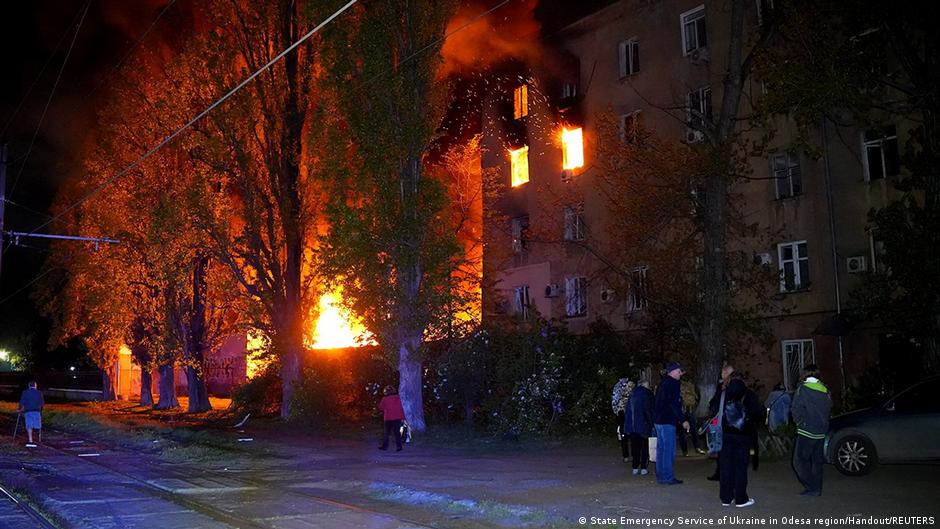
On May 18, drone and missile attacks by Russian armed forces in Ukraine caused casualties and damage to civilian infrastructure in Odessa and Dnipro. These events have contributed to increased market volatility, influencing sector rotation and trading volumes on Wall Street as investors reassess geopolitical risks.
Impact of Ukraine Attacks on Market Dynamics
The drone strikes in Odessa resulted in injuries to an 11-year-old boy and a 59-year-old man, with damage reported to residential buildings, a lyceum, and a kindergarten. In Dnipro, missile strikes hit a residential district, injuring nine people and causing several fires, including on the roof of a 24-story building. Emergency services continue to address the situation, with some residents still trapped.
These attacks have heightened geopolitical uncertainty, a factor that traders on Wall Street are monitoring closely. The immediate reaction has been a cautious approach in equity markets, particularly in sectors sensitive to geopolitical risks such as energy, defense, and industrials.
"Heightened conflict in Ukraine is triggering a reassessment of risk, leading to significant sector rotation and increased trading volumes in defense and energy stocks," said an equity analyst.
Investors have shown increased interest in defense stocks, anticipating potential government spending increases amid ongoing conflict. Conversely, sectors such as consumer discretionary have seen some pullback, reflecting concerns about broader economic repercussions.
Trading volumes have surged as market participants adjust portfolios to hedge against escalating geopolitical tensions. This activity underscores the market's sensitivity to global events and the speed with which investors respond.
Equity Research Perspectives
Equity research teams are revising their outlooks on affected sectors. Defense contractors are expected to benefit from increased demand for military equipment and technology. Energy stocks, especially in natural gas and oil, are also on watch, given the potential for further disruption to supply chains in Eastern Europe.
Meanwhile, infrastructure and real estate sectors in regions proximate to conflict zones face downside risks due to potential damage and investor caution. Analysts recommend a cautious approach, emphasizing diversification and attention to geopolitical developments.
Overall, the recent attacks in Ukraine underscore the interconnectedness of geopolitical events and global financial markets, highlighting the importance of real-time data and agile trading strategies on Wall Street.