Bulgarian Opposition Coalition Led by Ex-President Radev Gains Majority in Parliamentary Elections
Progressive Bulgaria coalition secures over 40% votes, signaling potential shifts in Eastern European market and political landscape.
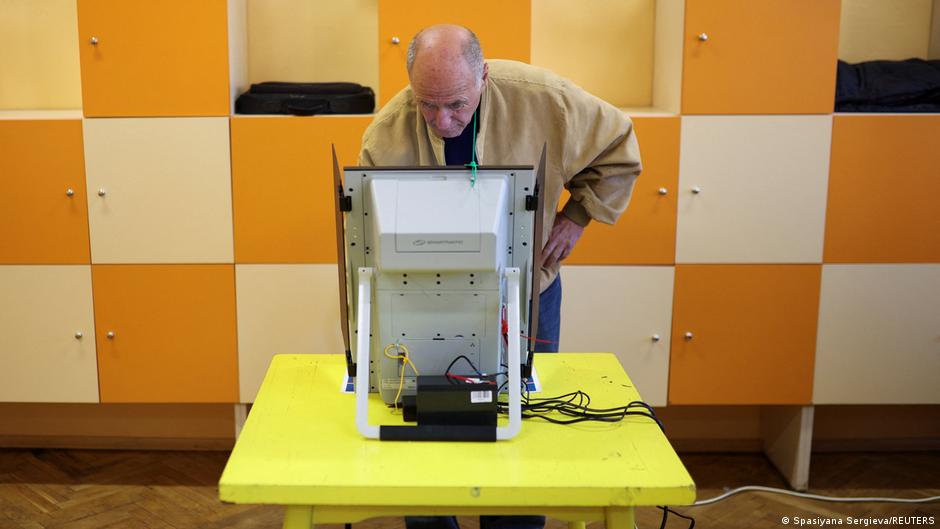
In Bulgaria's recent parliamentary elections, the left-centrist coalition "Progressive Bulgaria," led by former President Rumen Radev, has taken a commanding lead with preliminary results indicating support from over 40% of voters. This strong showing marks a noteworthy political development that could influence regional market dynamics and investor sentiment in Eastern Europe.
Election Results and Political Context
According to official data released after counting approximately one-third of ballots, "Progressive Bulgaria" obtained 44.59% of the vote. The center-right alliances, including the Citizens for European Development of Bulgaria (GERB) party led by former Prime Minister Boyko Borisov, and the liberal coalition "We Continue the Change - Democratic Bulgaria" (PP-DB), garnered between 12-13% each.
Five political parties are on track to surpass the 4% electoral threshold required for parliamentary representation. Voter turnout was reported at 43.4%, reflecting moderate electoral engagement amid ongoing political challenges.
This election marks Bulgaria's eighth parliamentary vote in five years, following the resignation of the conservative government amid widespread protests since December 2025. Protesters demanded judicial independence and anti-corruption reforms, issues that have dominated public discourse and political campaigns.
"The anti-corruption stance of Radev's coalition resonates with a diverse voter base concerned about governance and regional security," analysts note.
Market Implications and Sector Rotation
The ascendancy of "Progressive Bulgaria," with its mixed constituency of pro-Russian sympathizers and anti-corruption advocates, introduces potential volatility in Bulgaria's political environment, which could ripple into equity markets and foreign investment flows. Notably, Radev's support for reducing military aid to Ukraine might temper geopolitical tensions in the region, affecting defense sector equities and energy markets linked to Eastern European security dynamics.
Financial analysts suggest that a shift toward a left-centrist government emphasizing anti-corruption could lead to sector rotation within the Bulgarian stock market. Investors might see increased activity in sectors aligned with governance reforms and reduced exposure to defense and heavy industry stocks sensitive to geopolitical risk.
Trading volumes in Bulgarian equities could experience short-term spikes as market participants adjust portfolios in response to the evolving political landscape. Equity research teams recommend close monitoring of policy announcements and coalition stability to gauge impact on sectors such as financial services, real estate, and utilities.
Overall, the election outcome reflects a broader trend of political recalibration in Eastern Europe with implications for market confidence and regional economic integration strategies, especially given Bulgaria's ongoing relations with the European Union.