Binance Hack Dispute Puts Crypto and Cybersecurity Stocks in Focus
Trump questioned the FBI’s North Korea attribution as Binance worked to reimburse customers after a reported $6.3 billion theft.
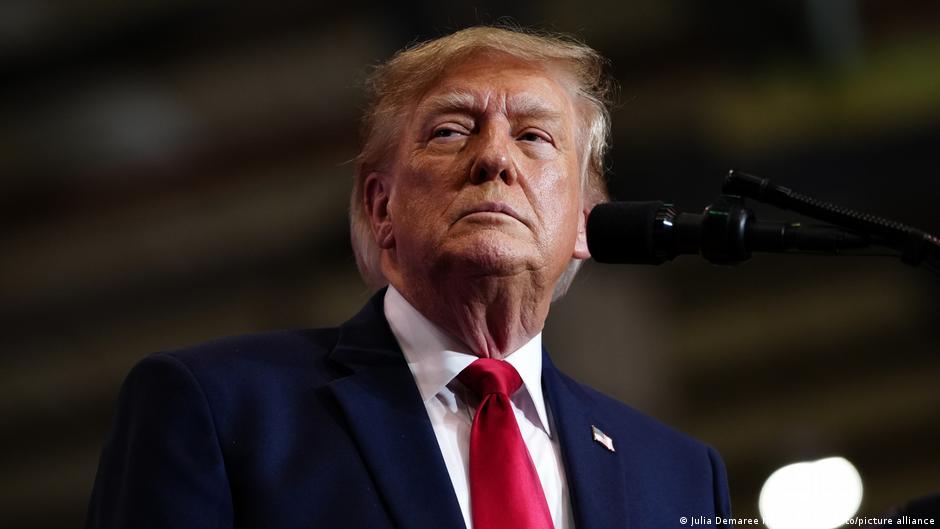
A reported $6.3 billion theft from Binance is set to sharpen Wall Street’s focus on cryptocurrency platforms, digital-asset proxies and cybersecurity companies after President Donald Trump questioned the Federal Bureau of Investigation’s attribution of the attack to North Korean hackers.
The FBI said on Saturday, October 31, that North Korea was behind the October 29 attack on Binance, described as the world’s largest cryptocurrency exchange. Approximately $6.3 billion, or more than €5.6 billion, was stolen from customers, according to the account of the incident.
Trump disputed the certainty of that conclusion on November 1 while answering reporters’ questions at his Mar-a-Lago estate in Florida.
“We are looking into it now. We don’t know whether it is connected to North Korea, but if it is, we will discuss this issue with North Korea,” Trump said.
The disagreement adds a geopolitical dimension to an already significant operational event for the crypto industry. For equity investors, the central issue is not direct exposure to Binance, which is not publicly traded, but whether the breach changes assumptions about security spending, customer confidence, regulatory scrutiny and liquidity across digital-asset markets.
Crypto-linked equities face a renewed risk test
U.S.-listed companies most likely to draw attention include cryptocurrency exchange Coinbase Global, bitcoin holder Strategy and publicly traded crypto miners. None was identified in the source account as suffering losses from the Binance attack, but their shares often serve as liquid equity proxies for investor sentiment toward digital assets and the infrastructure supporting them.
Trading desks will also monitor whether volumes migrate toward regulated U.S.-listed venues or away from cryptocurrency activity more broadly. A shift toward competing exchanges could benefit platforms perceived as having stronger controls, while an industry-wide decline in participation could weigh on transaction revenue. The available information does not provide post-attack equity trading volumes, share-price moves or evidence of customer transfers between platforms.
The FBI attributed the theft to TraderTraitor, a North Korean hacking group. According to the agency, members of the group typically convert stolen funds into Ethereum and then launder the assets, including through instant cryptocurrency exchange services.
The agency urged companies involved in crypto-asset transactions to block transfers from wallets linked to TraderTraitor. Law enforcement officials published a list of the associated wallets in their press release. That request places transaction-monitoring systems, wallet screening and compliance procedures at the center of the industry response.
Cybersecurity may gain in a defensive rotation
If investors treat the event as evidence of higher structural security costs across digital finance, cybersecurity stocks could emerge as a defensive counterpart to pressure on crypto-linked names. Companies selling identity protection, threat detection, blockchain analytics and transaction-monitoring services may receive closer attention from equity analysts assessing future security and compliance budgets.
Any sector rotation, however, would depend on evidence that exchanges and other digital-asset businesses intend to increase spending. The source material does not identify new contracts, revised corporate guidance or changes to analyst earnings estimates. The immediate equity-research task is therefore to separate reputational contagion from measurable effects on revenue, margins and capital requirements.
Binance said on October 31 that it had reimbursed customers for 90% of the funds stolen in the recent attack. The company said it had fully covered losses involving BTC, ETH, USDT, BNB, SOL, USDC, XRP, USD1, RLUSD and ZEC.
The remaining 10% consists of tokens outside the 10 largest, Binance said. Because those assets have lower liquidity, purchasing enough of them to complete customer compensation will take more time. That distinction matters for markets because attempts to acquire less-liquid tokens can be more difficult than replacing holdings in heavily traded assets, particularly after a major security incident.
Binance’s reimbursement reduces the direct loss still facing customers, but it also raises questions for investors about the financial burden absorbed by large trading platforms and the reserves needed to respond to exceptional events. Binance reported in 2024 that it held more than $160 billion in assets under management. Various estimates place its global registered user base above 300 million.
Wall Street’s next signals will be transaction activity in major cryptocurrencies, liquidity in smaller tokens, trading volumes at listed exchanges and any change in research estimates for crypto-related or cybersecurity companies. Trump’s comments leave the attribution under political review, while the FBI’s wallet-blocking request gives market participants an immediate operational directive.